What Happened
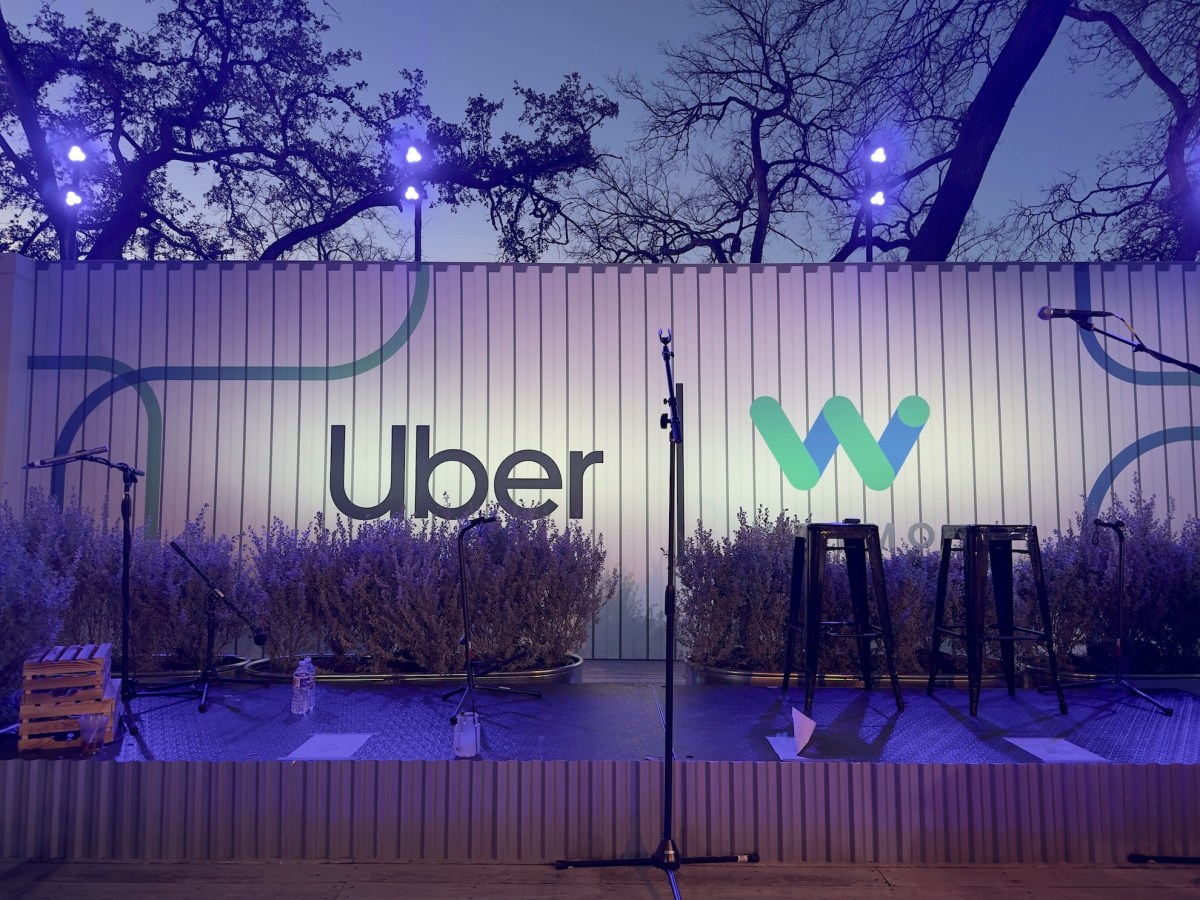
Uber has ramped up its lobbying efforts in Washington D.C. to push for regulations that could favor its robotaxi services. This comes in direct competition with Waymo, which has been a leader in autonomous vehicle technology. As both companies vie for dominance in the robotaxi market, their differing approaches to regulation could lead to a significant clash in the capital.
Why It Matters
The outcome of this lobbying battle could reshape the future of transportation in urban areas. If Uber succeeds in influencing regulations, it could gain a competitive edge, allowing it to roll out its robotaxi services more rapidly. Conversely, if Waymo's approach prevails, it may solidify their position as the frontrunner in the autonomous vehicle space, potentially stifling Uber's competitive strategies.
Context
Both Uber and Waymo have invested heavily in developing autonomous vehicle technology. Waymo, a subsidiary of Alphabet (Google's parent company), has been testing its robotaxi services for years and has established itself as a pioneer in the field. Meanwhile, Uber has faced numerous challenges, including regulatory scrutiny and public concerns over safety, making this lobbying effort a critical component of its strategy to regain market traction.
What It Means
The conflict between Uber and Waymo highlights the growing importance of regulatory frameworks in the tech industry. As cities and states begin to draft rules for autonomous vehicles, the influence of lobbying efforts will play a crucial role in determining which company leads the charge. This situation not only affects the companies involved but could also impact consumers, urban mobility, and the broader landscape of transportation technology.