What Happened
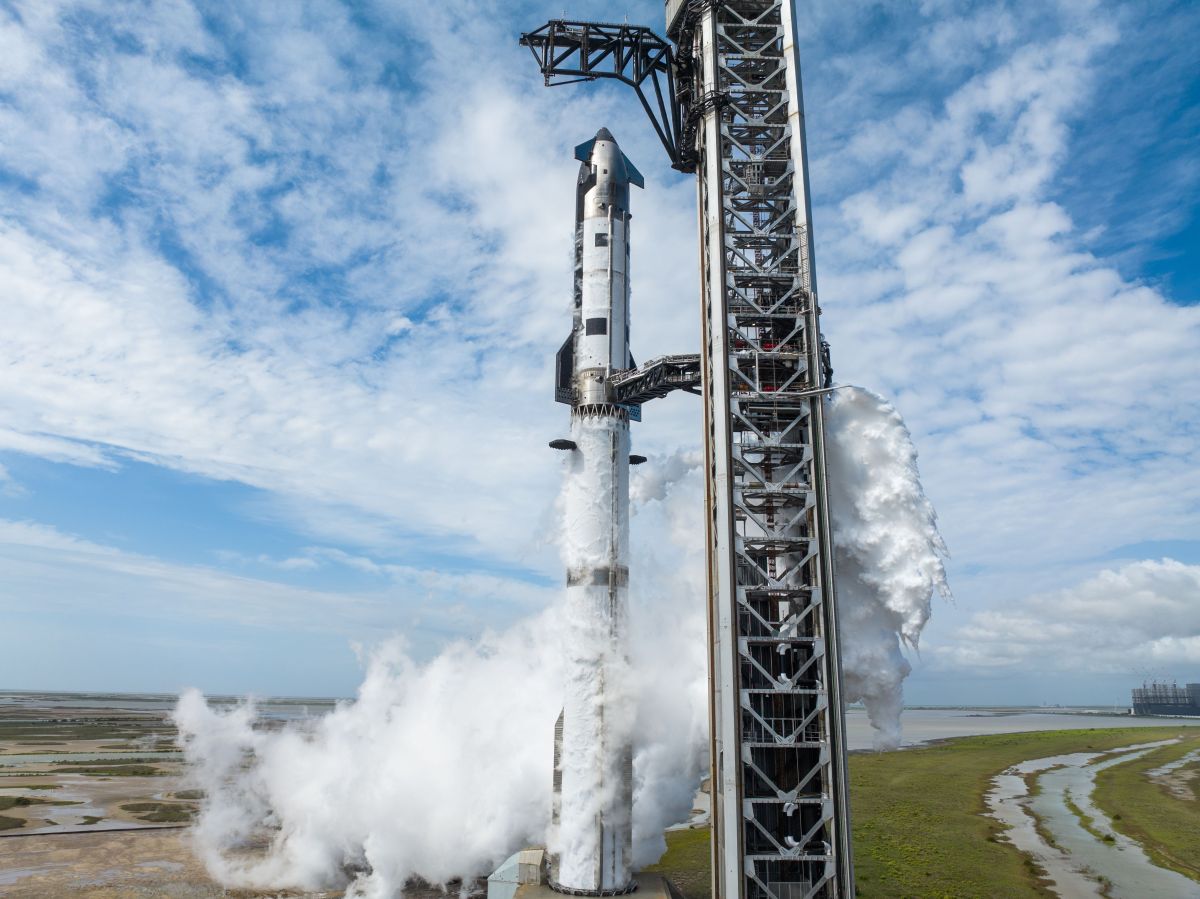
SpaceX has received the green light to conduct another test flight of its Starship rocket following a booster failure that occurred in May. This marks a significant moment for the company as it embarks on its first test flight since becoming a public entity. The upcoming launch will not only showcase their advancements but also test the resilience of their developmental philosophy.
Why It Matters
This test flight is crucial for SpaceX, as it will gauge the market's reaction to their unique method of rocket development, which is characterized by rapid iterations and a willingness to embrace failures. The outcome may influence investor confidence and public perception of the viability of this approach, particularly in a field where safety and reliability are paramount. Positive results could lead to increased investments and partnerships, while setbacks might raise concerns about their methods.
Context
SpaceX's approach, often summarized as "fly, fail, fix," has led to both spectacular successes and notable failures. Historically, the company has learned from its mistakes, using them to improve future designs. Their previous test flights have seen both dramatic explosions and successful landings, contributing to a reputation for pushing the boundaries of space technology.
What It Means
The upcoming Starship flight is more than just a technical challenge; it represents a test of SpaceX's business model in a highly competitive market. If successful, it could further solidify their position as a leader in the aerospace sector and inspire other companies to adopt similar experimental approaches. Conversely, failure could prompt a reevaluation of their strategy and potentially impact the broader industry's view on innovation and risk-taking in rocket development.