What Happened
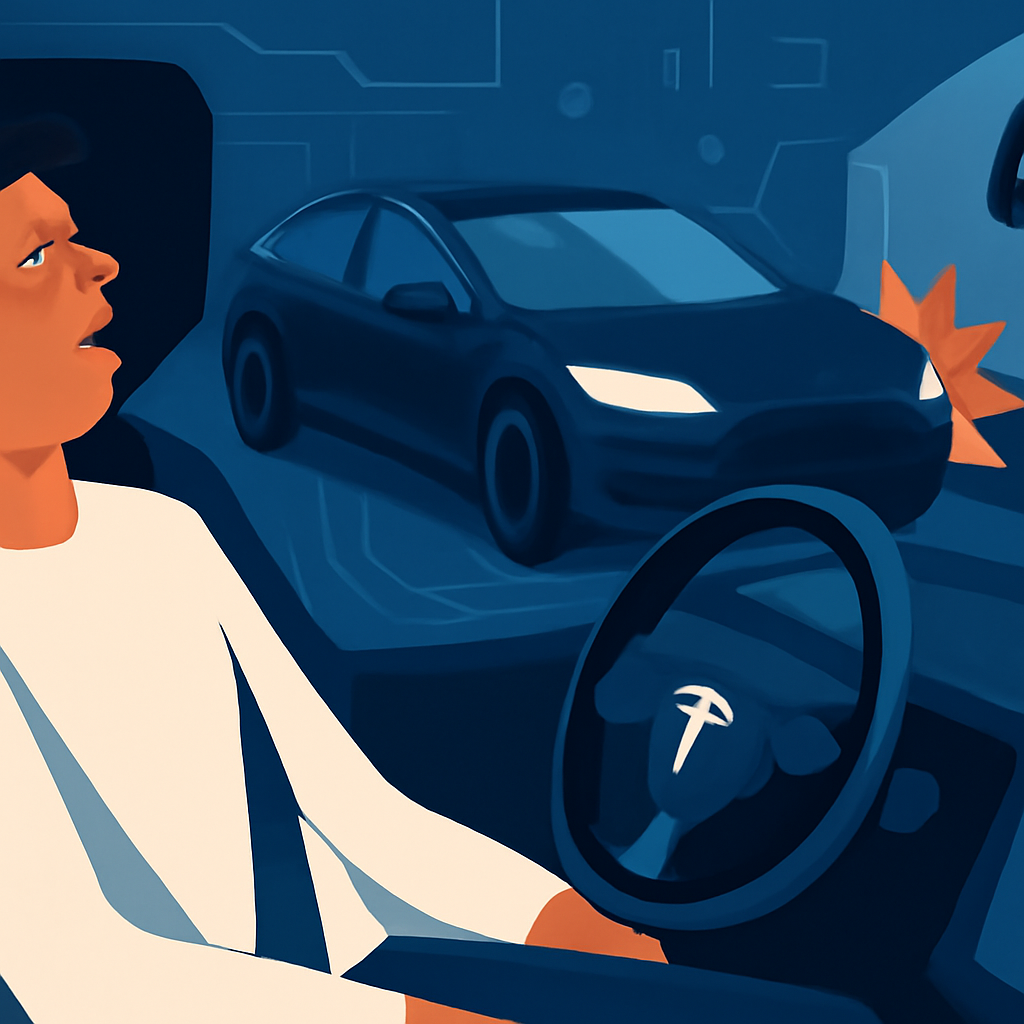
In British Columbia, Canada, there was a case where a woman fell asleep while driving a Tesla at speeds exceeding 100 km/h. Two children were in the car at the time. The situation was captured on video and sparked widespread public concern.
Why This Matters
This incident raises significant questions about safety systems in cars equipped with autopilot. Despite having cameras and sensors, Tesla was unable to recognize that the driver was asleep. This suggests that current driver monitoring technologies have serious limitations, putting the safety of passengers and other road users at risk.
Context
Autopilot systems and driver assistance technologies are advancing rapidly; however, incidents like this highlight that these technologies have not yet reached complete reliability. Drivers may feel overly comfortable relying on autopilot, leading to risks when the systems fail to detect issues.
What This Means
The incident of the sleeping driver raises the question of the need for improved monitoring systems. Clearly, technologies should be able to recognize not only driver activity but also their state. Manufacturers might need to consider additional measures to prevent such situations in the future. This could include more advanced facial recognition and condition monitoring algorithms, as well as alternative methods to ensure the safety of all passengers in the vehicle.