What Happened
A group of researchers known for their previous work, AI 2027, has proposed a fresh perspective on the future of artificial intelligence. Their latest scenario, titled AI 2040, outlines a strategic plan for ensuring that AI development benefits humanity rather than posing existential risks. The key proposal is to delay the arrival of superintelligent AI until 2040 while promoting transparency and global collaboration in AI research.
Why It Matters
The implications of this scenario are profound for the tech industry and society as a whole. By advocating for a delayed timeline for superintelligence, the researchers aim to create a safer environment for AI development. This approach could allow regulators and researchers to establish robust safety protocols, thereby reducing the risk of an uncontrolled AI race. Moreover, making AI research more public and accessible could democratize the technology, enabling more companies worldwide to contribute to responsible AI development.
Context
The AI 2027 scenario painted a grim picture of unchecked AI advancements leading to catastrophic consequences. In contrast, AI 2040 seeks to leverage lessons from past warnings while providing a constructive framework for the future. The idea of creating datacenters in vulnerable locations is particularly notable; it suggests a proactive measure to prevent misuse of powerful AI technologies by ensuring that critical infrastructure can be dismantled if necessary.
What It Means
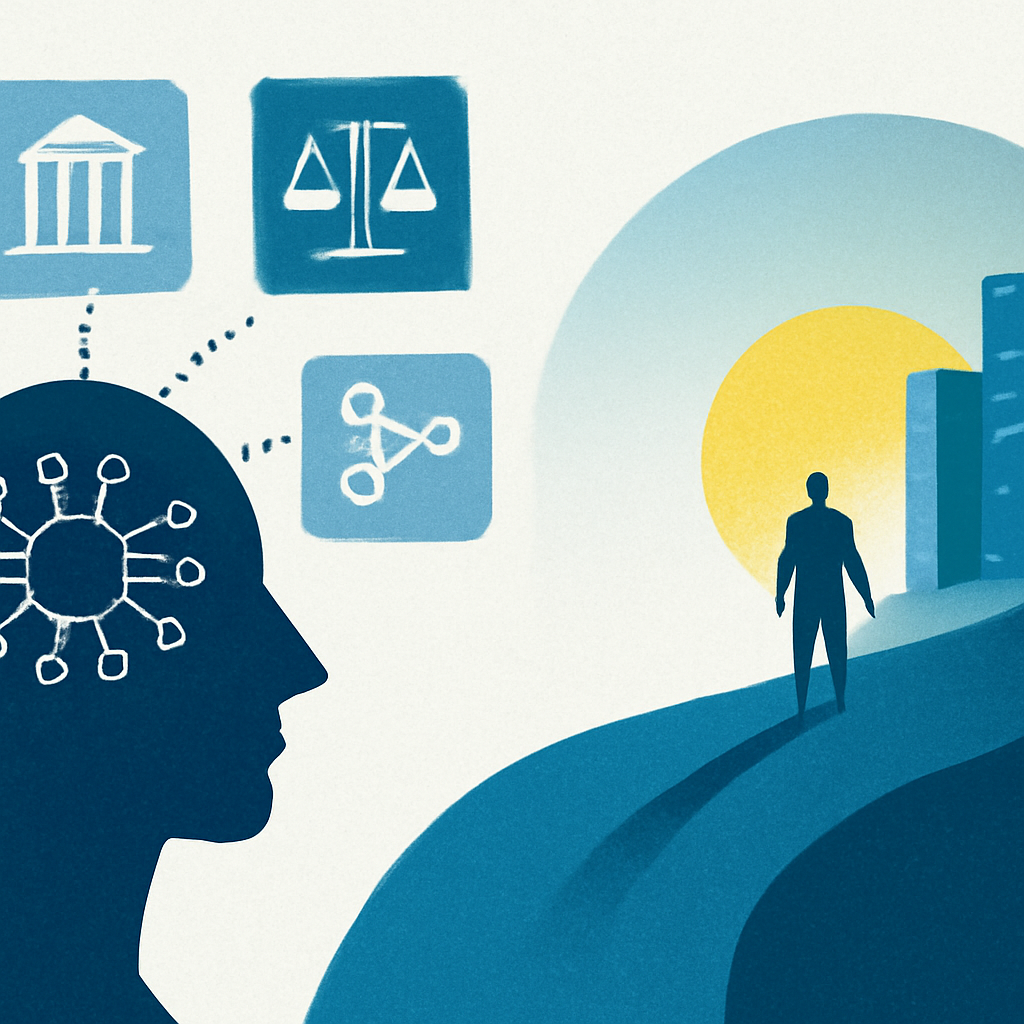
The proposal encourages a shift in the AI development narrative from competition to cooperation. By delaying superintelligence, the researchers advocate for a more measured approach that prioritizes ethical considerations and safety. This could lead to a more equitable distribution of AI benefits and mitigate risks associated with rapid advancements. Overall, AI 2040 represents a hopeful vision where collaboration and transparency pave the way for a safer technological future.