What Happened
The Los Angeles Police Department (LAPD) has chosen to let its contract with Flock, a major surveillance technology provider, come to a close. This decision is primarily driven by concerns regarding civil liberties and the privacy of citizens, reflecting a growing unease with surveillance practices in law enforcement.
Why It Matters
This move could signal a significant shift in how police departments across the country engage with technology firms specializing in surveillance. With increasing public scrutiny over privacy issues, the LAPD’s decision may lead other police forces to reconsider their partnerships with similar companies. The implications extend beyond Los Angeles, potentially influencing national discussions about the balance between public safety and individual rights.
Context
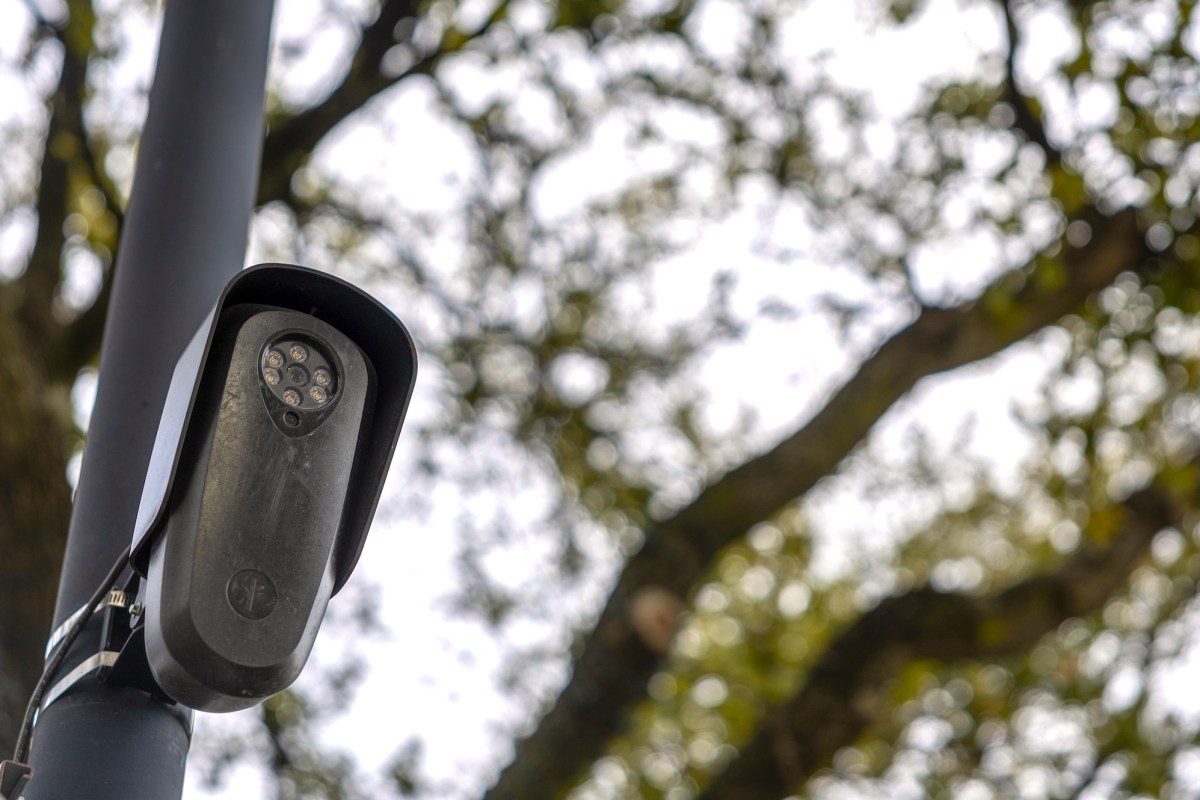
Flock has been known for its advanced surveillance technologies, including automatic license plate readers and real-time monitoring systems. These tools have been increasingly adopted by law enforcement agencies, but they have also sparked debates about their impact on civil liberties. The LAPD's contract with Flock was one of the largest among governmental entities, making this decision noteworthy amid a backdrop of rising concerns about privacy and surveillance.
What It Means
Ending the contract with Flock could lead to a reevaluation of surveillance strategies within the LAPD. It raises critical questions about how law enforcement can effectively use technology while respecting the rights of individuals. The decision also underscores the importance of public opinion in shaping police practices, as communities are becoming more vocal about their rights to privacy. This might pave the way for more transparent and responsible use of surveillance technology in policing, potentially reshaping the landscape of law enforcement in the digital age.