What Happened
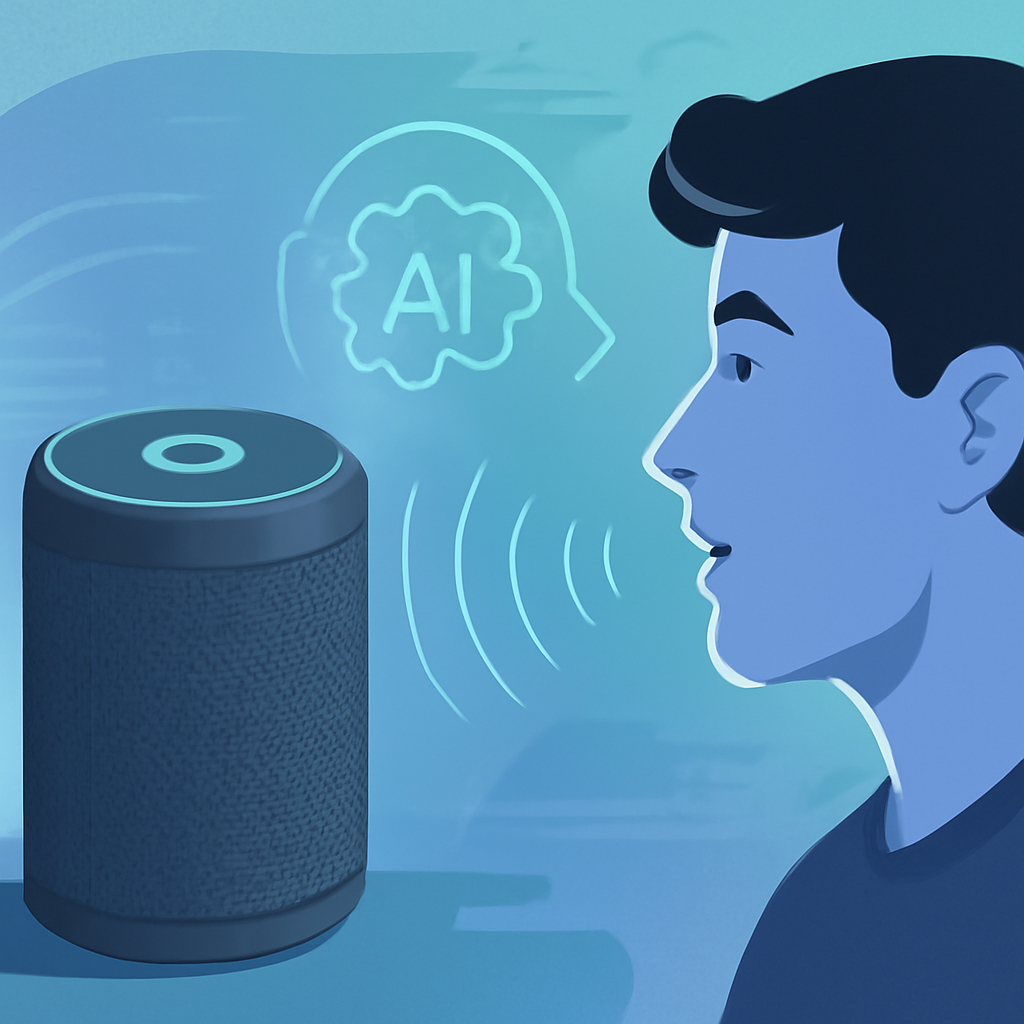
OpenAI has unveiled plans for its first product: a mobile, screenless smart speaker that aims to function as an AI companion. Unlike traditional speakers, this innovative device is designed to foster a more personal connection with its users. The device can move on its own, giving it a lifelike quality that sets it apart from other smart home products currently available.
Why It Matters
This development is significant for several reasons. Firstly, it highlights OpenAI's ambition to expand beyond software and into hardware, which could reshape the landscape of smart devices. Secondly, the focus on human-like interaction offers a new approach to AI, potentially enhancing user experience and productivity in daily tasks. With Apple currently embroiled in a trade secret lawsuit, this product could also provide OpenAI with a unique market position, as there are no direct competitors offering similar capabilities.
Context
The concept of AI companions isn't entirely new, but OpenAI's approach aims to push the boundaries of technology. Traditional smart speakers are primarily voice-activated devices that respond to commands. However, by incorporating mechanical elements and sensors, OpenAI's speaker seeks to create a more engaging and intuitive experience. This innovation may signal a shift in how users perceive and interact with technology in their homes.
What It Means
The introduction of this moveable, screenless speaker suggests a future where AI companions become integral to our daily lives. As OpenAI positions itself in the hardware market, we can expect increased competition and innovation in the smart device sector. The emphasis on personality and interaction may lead to a new standard for AI, where emotional connection enhances productivity and user satisfaction. This development could redefine the relationship between technology and users, making it more collaborative and intuitive.