What Happened
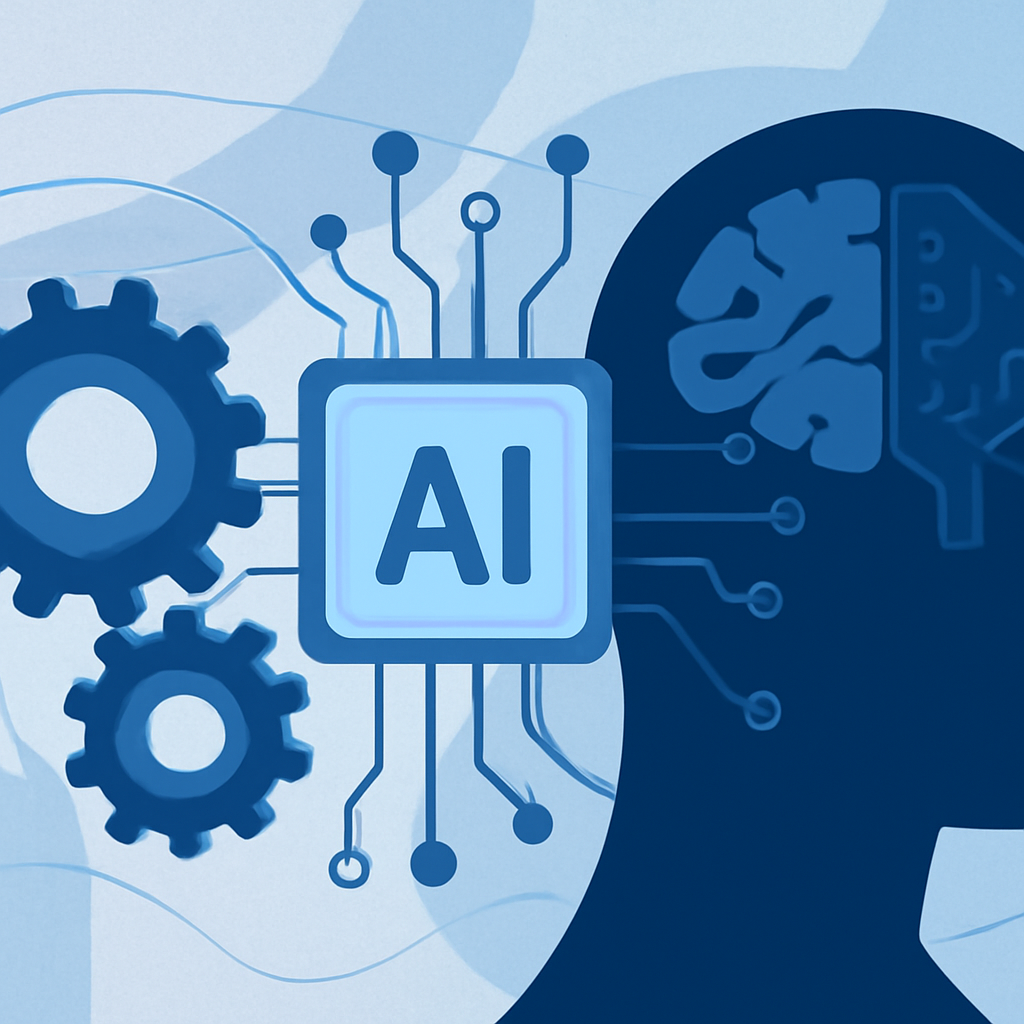
A team has unveiled a new toolkit that allows researchers to delve into the inner workings of trained neural networks. This innovative approach transforms the model's weights into a spectral basis, enabling comparisons with shuffled data. During its first day of operation, the team made groundbreaking discoveries about the structure of AI models, finding that all tested models share a common feature in their token embeddings, regardless of their size or training method.
Why It Matters
These findings have significant implications for the field of AI. By identifying the common structures across various models, researchers can better understand how AI learns and processes information. This knowledge could lead to improvements in model design and training processes, ultimately enhancing the performance and reliability of AI systems. Additionally, the ability to measure reasoning within models could help in developing more interpretable and accountable AI technologies.
Context
Traditionally, understanding the inner workings of neural networks has been akin to opening a black box. Researchers struggled to interpret how models processed data and made decisions. The introduction of the Unison framework aims to change that by providing tools for transparency and reproducibility. This initiative is part of a growing movement towards more interpretable AI, where the focus is on understanding not just what models do, but how they achieve their results.
What It Means
The ability to discern the structure of AI models means that researchers can now pinpoint where intelligence resides within these systems. Findings indicate that models retain specific patterns from their training data and can even reproduce memorized text verbatim. This level of insight challenges previous assumptions about the quiet nature of certain models and suggests that all models have a discernible structure that reflects their training. As ongoing experiments continue to explore these concepts, we may see a shift in how AI models are evaluated and understood, paving the way for more effective and trustworthy AI applications.