What Happened
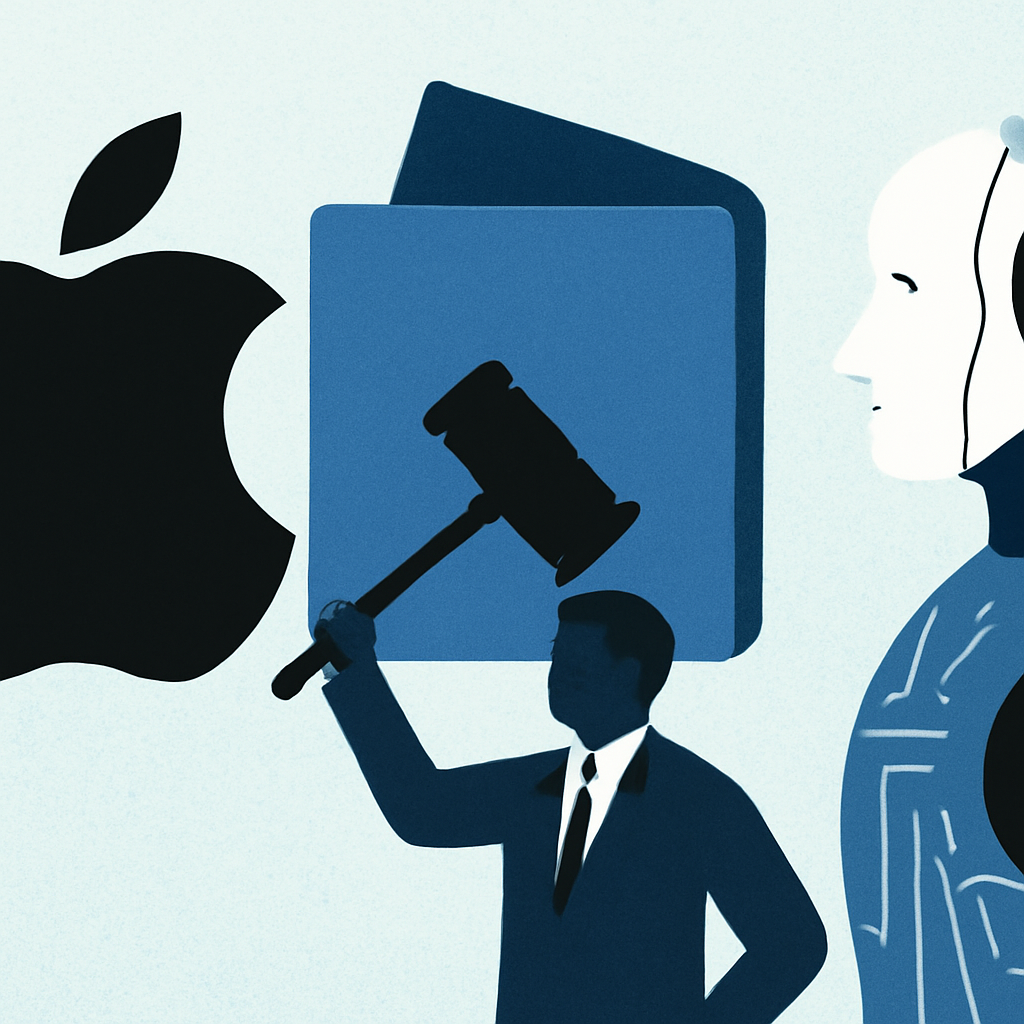
This week, Apple filed a lawsuit against OpenAI, claiming that the AI company engaged in industrial espionage. The lawsuit centers around Tang Tan, OpenAI's chief hardware officer, who allegedly encouraged job candidates still employed at Apple to bring proprietary components for interviews. Additionally, a former Apple engineer, now at OpenAI, reportedly exploited a bug to download sensitive files about unreleased Apple products after leaving the company.
Why It Matters
The implications of this lawsuit extend beyond just the two companies involved. With the tech world on the brink of a potentially historic IPO, Apple's legal action underscores the heightened concern over intellectual property and competitive tactics in the industry. For businesses, this could signal a stricter approach to protecting trade secrets and the need for vigilance against espionage.
Context
The tech landscape has always been competitive, but recent years have seen a significant uptick in concerns over data security and trade secrets. High-profile lawsuits are becoming more common as companies fight to safeguard their innovations. This particular lawsuit arrives just as OpenAI is gaining momentum, and its timing suggests strategic moves to fortify Apple's position in the market.
What It Means
For the tech industry, this lawsuit may set a precedent regarding how companies handle potential espionage and trade secret violations. It also serves as a reminder for businesses to strengthen their internal security measures. On another front, Google's recent overhaul of its search results—where AI-generated summaries replace traditional links—affects how users access information online. This shift means that companies must adapt their digital strategies to remain visible in an increasingly AI-driven landscape. The changes are immediate and significant, prompting businesses to rethink their online presence and content strategies in light of these developments.