What Happened
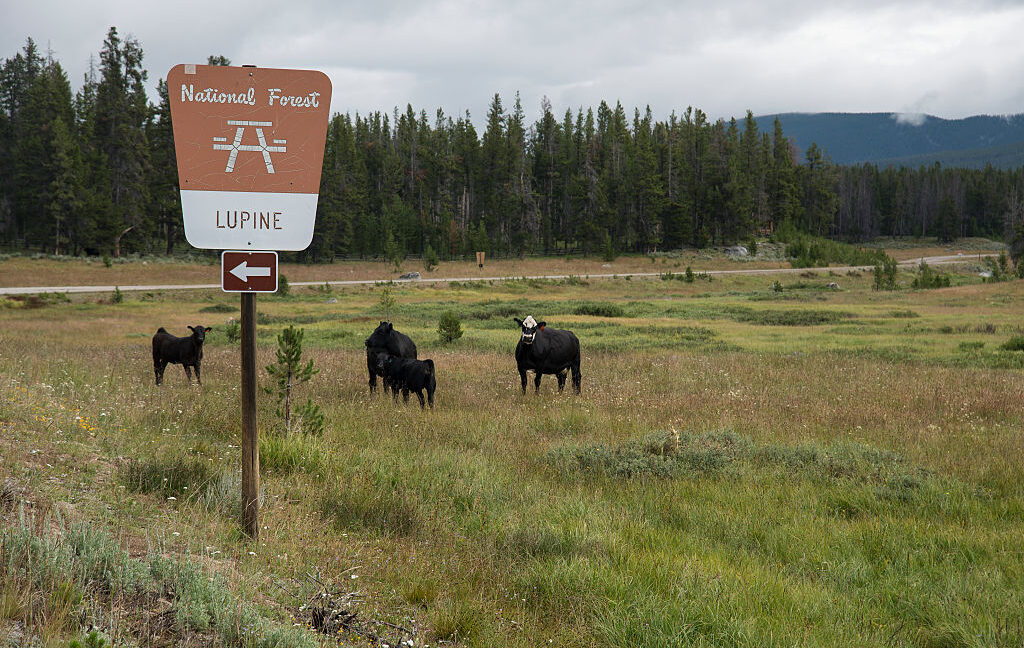
The federal government is in the process of revising its grazing regulations for public lands, which encompass 155 million acres in the western United States. This significant change aims to increase the number of cattle and sheep grazing on these lands. The move marks the first major update to the rules since 1995.
Why It Matters
The implications of this overhaul are substantial. Critics argue that the current system disproportionately benefits wealthy ranchers while neglecting environmental concerns. With experts warning that overgrazing is already damaging these public lands, the decision to expand grazing could lead to further ecological degradation. This shift may also reduce public input in the management of these lands, raising questions about transparency and community involvement.
Context
For nearly a century, public lands grazing has been managed under a system that many see as outdated. Reports have highlighted how this system not only subsidizes affluent ranchers but also fails to effectively address the negative environmental impacts associated with overgrazing. The upcoming changes are seen as a response to pressures from agricultural interests, but they may ignore the scientific consensus on the need for more sustainable practices.
What It Means
The proposed changes signal a broader trend towards prioritizing livestock production over conservation. If implemented, these new regulations could exacerbate existing environmental issues, including soil erosion and loss of biodiversity. As the government seeks to streamline grazing practices, the potential reduction in public engagement could hinder efforts to balance economic interests with the need for responsible land stewardship.