What Happened
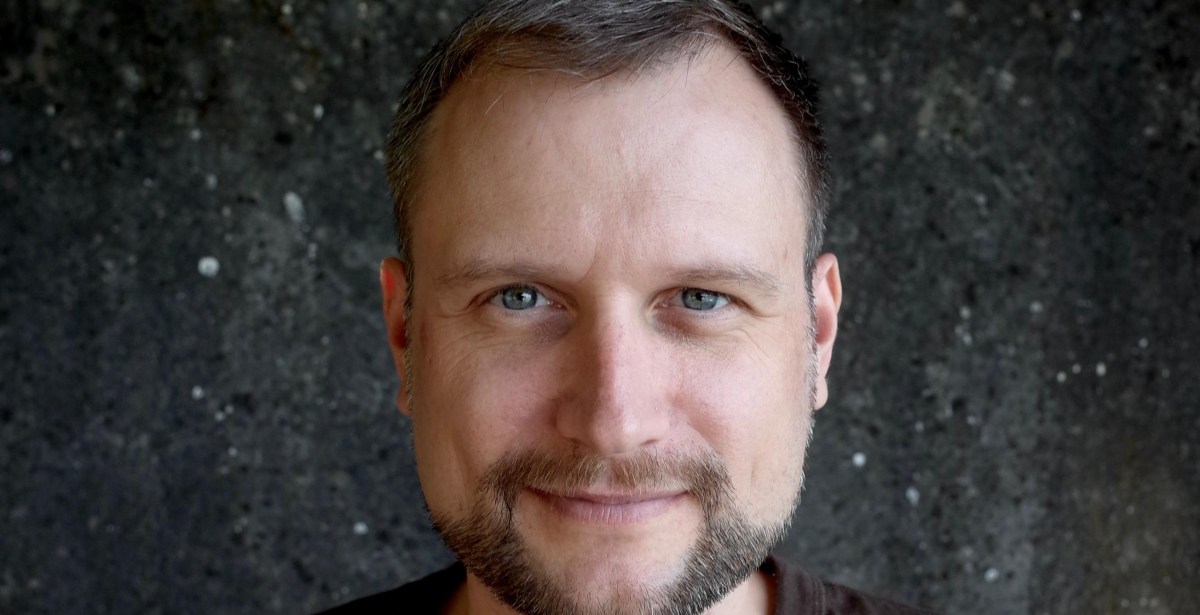
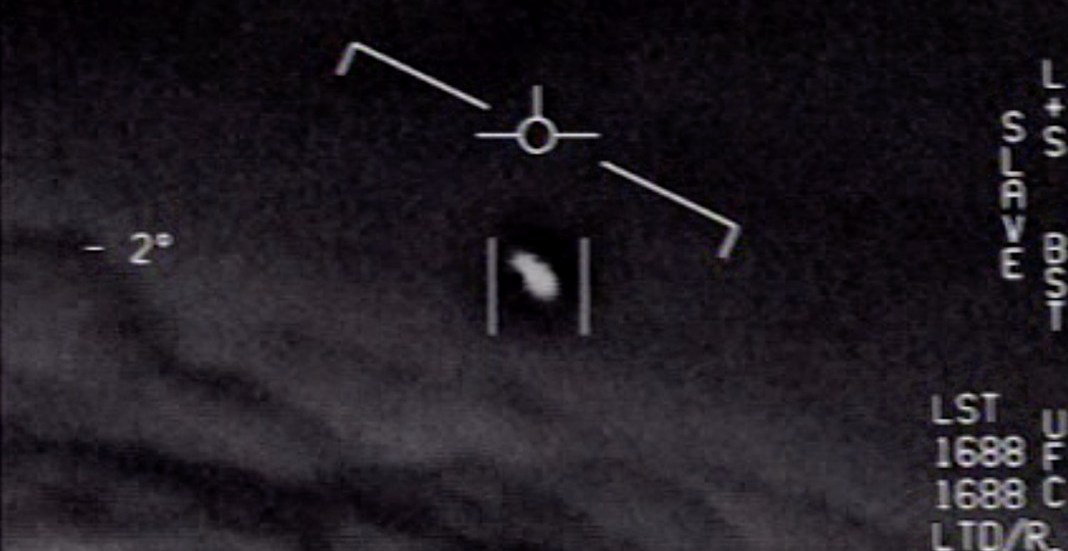
The White House has appointed Avi Loeb, a Harvard astrophysicist known for his controversial views on extraterrestrial life, to lead the newly created UAP Science Advisory Council. This initiative is backed by various governmental entities, including the Pentagon and the FBI, and aims to provide scientific insights into unidentified anomalous phenomena (UAP).
Why It Matters
Loeb's appointment marks a significant shift in how the government approaches UAP research. By integrating scientific expertise from diverse fields, the Council seeks to apply rigorous analysis to phenomena that have long been shrouded in speculation. This could lead to improved public understanding and potentially groundbreaking discoveries in the field of astrophysics and beyond.
Context
The U.S. government has gradually increased its transparency regarding UAP, moving from a dismissive stance to one that acknowledges the need for serious investigation. Loeb has been vocal about the existence of extraterrestrial life, particularly in light of unusual objects such as the interstellar rock 'Oumuamua,' which he argues could be evidence of advanced technology. His controversial theories have sparked both interest and skepticism in the scientific community.
What It Means
The formation of the UAP Science Advisory Council under Loeb’s leadership signals a commitment to systematic research into UAP. By assembling a team with varied expertise—from physics to philosophy—the Council aims to tackle the complexities surrounding UAP phenomena comprehensively. This could pave the way for new scientific frameworks, enhancing our understanding of not only UAP but also broader questions about life beyond Earth.