What Happened
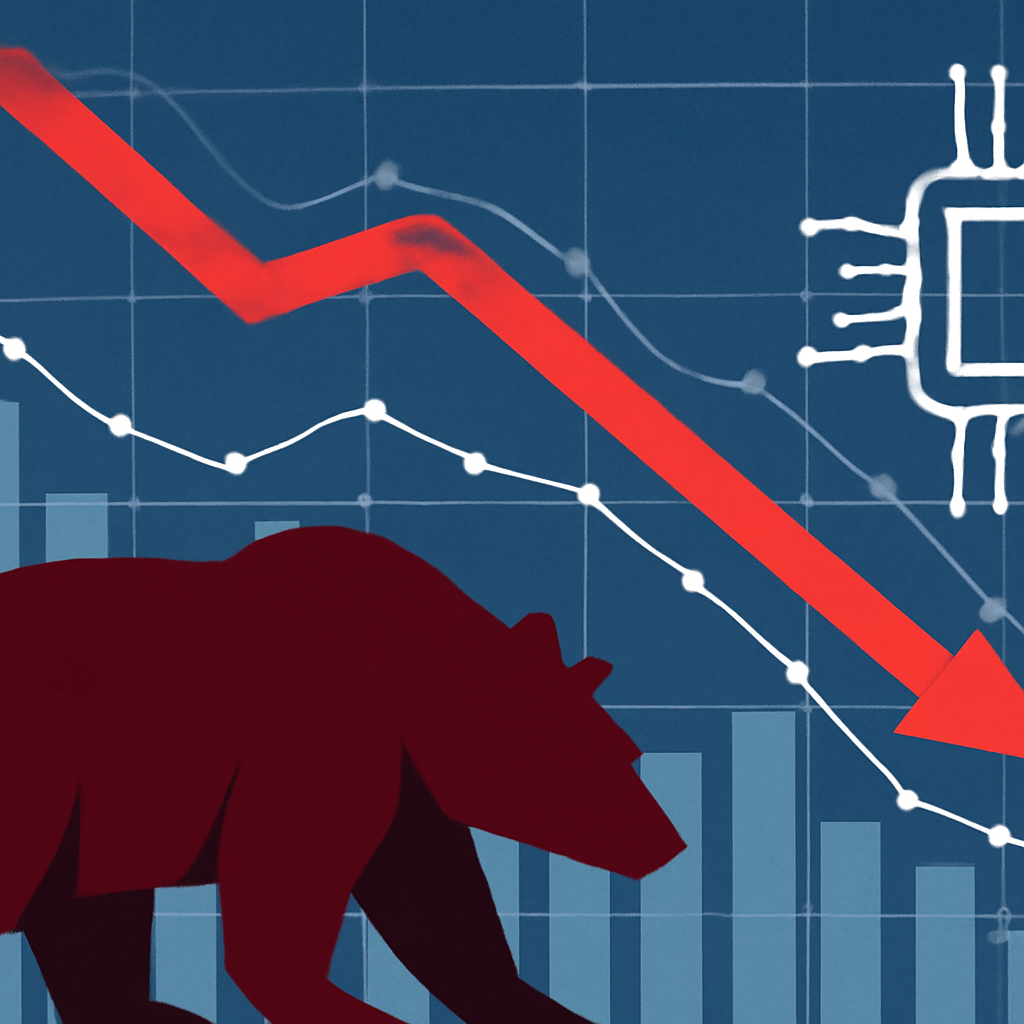
The Nasdaq Composite Index experienced a significant drop of nearly 2%, sparking fear and uncertainty among investors. This decline has led to a surge of negative sentiment, with many market participants fearing that this could signal the start of a larger financial downturn.
Why It Matters
Market reactions like this often reveal the psychology of investors. The immediate sell-off tends to be driven by fear, leading many to abandon their positions at the first sign of trouble. Historically, such behavior has often resulted in missed opportunities for those who sell in a panic, as markets tend to rebound swiftly after these dips. The timing and nature of investor reactions can significantly impact market stability and future performance.
Context
This isn’t the first time the Nasdaq has faced a sharp decline. The market has a cyclical nature, characterized by fluctuations that often evoke similar reactions. In past instances, significant pullbacks have typically led to rapid recoveries, with the index rebounding stronger than before. This pattern suggests that while short-term fears may dominate, long-term trends often tell a different story.
What It Means
The latest drop in the Nasdaq serves as a reminder of the repetitive nature of market cycles. Investors must consider whether their fear-driven decisions are justified or if they are missing out on potential gains. As history has shown, those who remain calm and assess the situation rationally may find themselves in a better position to take advantage of the market’s recovery, rather than being left behind as prices rise again.