What Happened
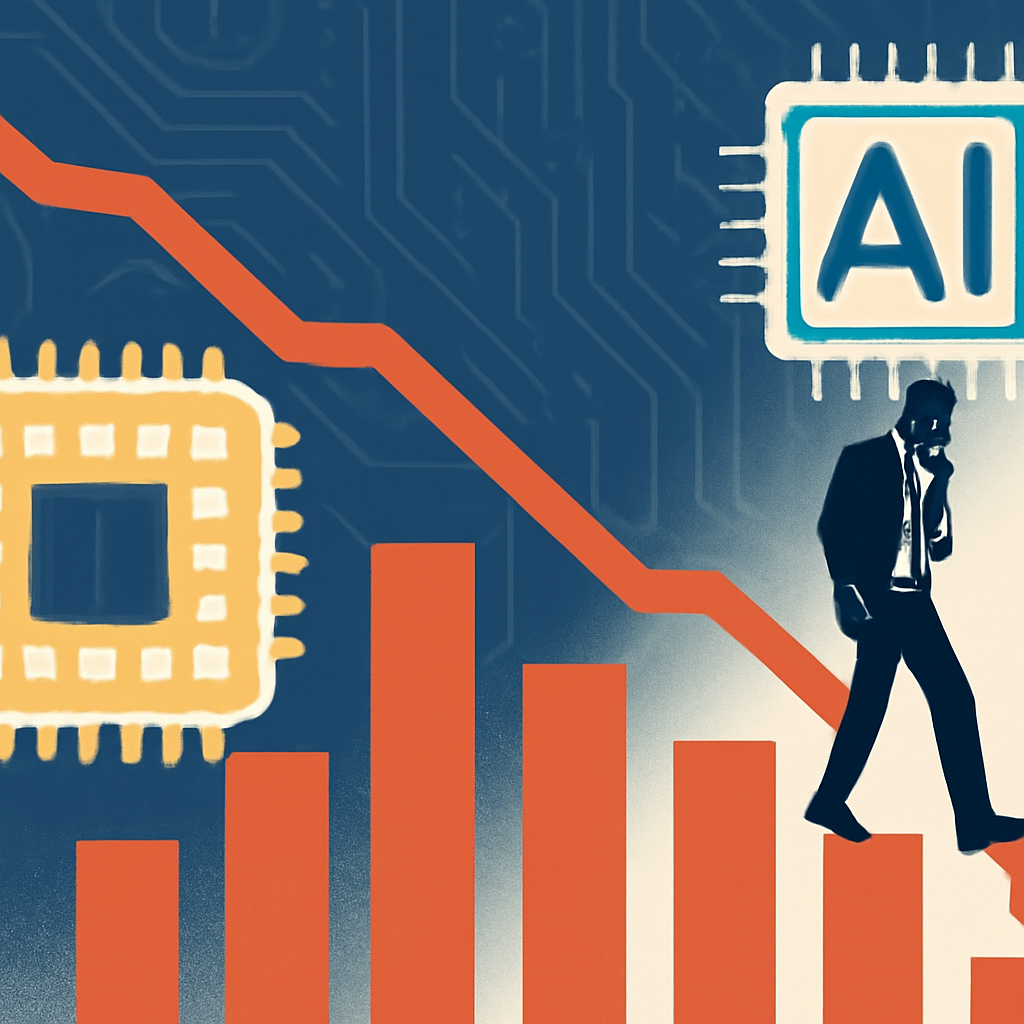
In a remarkable week for the tech industry, three major players revealed how the shifting focus towards AI infrastructure is reshaping their fortunes. IBM reported a staggering 25% decline, citing that its customers are reallocating budgets to AI projects. Meanwhile, ASML, the dominant maker of lithography equipment for chip manufacturing, announced plans to boost production capacity by 30% due to rising demand driven by AI. In contrast, TSMC, which sits at the center of the semiconductor supply chain, reported a record revenue of $40.2 billion, surpassing estimates by nearly a billion dollars.
Why It Matters
This divergence in performance highlights a significant transition within the technology landscape. IBM's struggles reflect the challenges faced by traditional IT companies as clients pivot towards newer AI technologies. Conversely, ASML's optimistic forecast and TSMC's record earnings underscore the growing demand for advanced chips necessary for AI applications. This dynamic illustrates the broader trend of budget migration within the industry, potentially reshaping market strategies and investments.
Context
IBM's decline signals a shift in enterprise priorities, where investments in legacy systems are being overshadowed by the allure of AI capabilities. ASML’s position as the leading supplier of chip-making technology gives it a front-row seat to the surging demand fueled by AI advancements. TSMC, positioned between these two, exemplifies the immediate benefits of this trend, showcasing how companies are navigating the impacts of shifting spending patterns.
What It Means
The contrasting reports from these three companies suggest a critical moment in the tech industry. IBM's situation raises questions about the sustainability of legacy IT businesses as enterprises increasingly favor AI capabilities. Meanwhile, ASML's decision to expand capacity signals confidence in continued growth, although it relies on the stability of future orders from hyperscalers like Meta, Microsoft, and Amazon. TSMC's performance illustrates that while AI is driving growth, the decline in mature-node revenue indicates a potential risk for companies still reliant on older technologies. This week’s developments may herald either a robust demand signal for AI or the peak of a cyclical trend, prompting further scrutiny of legacy tech companies as they adapt to this shifting landscape.