What Happened
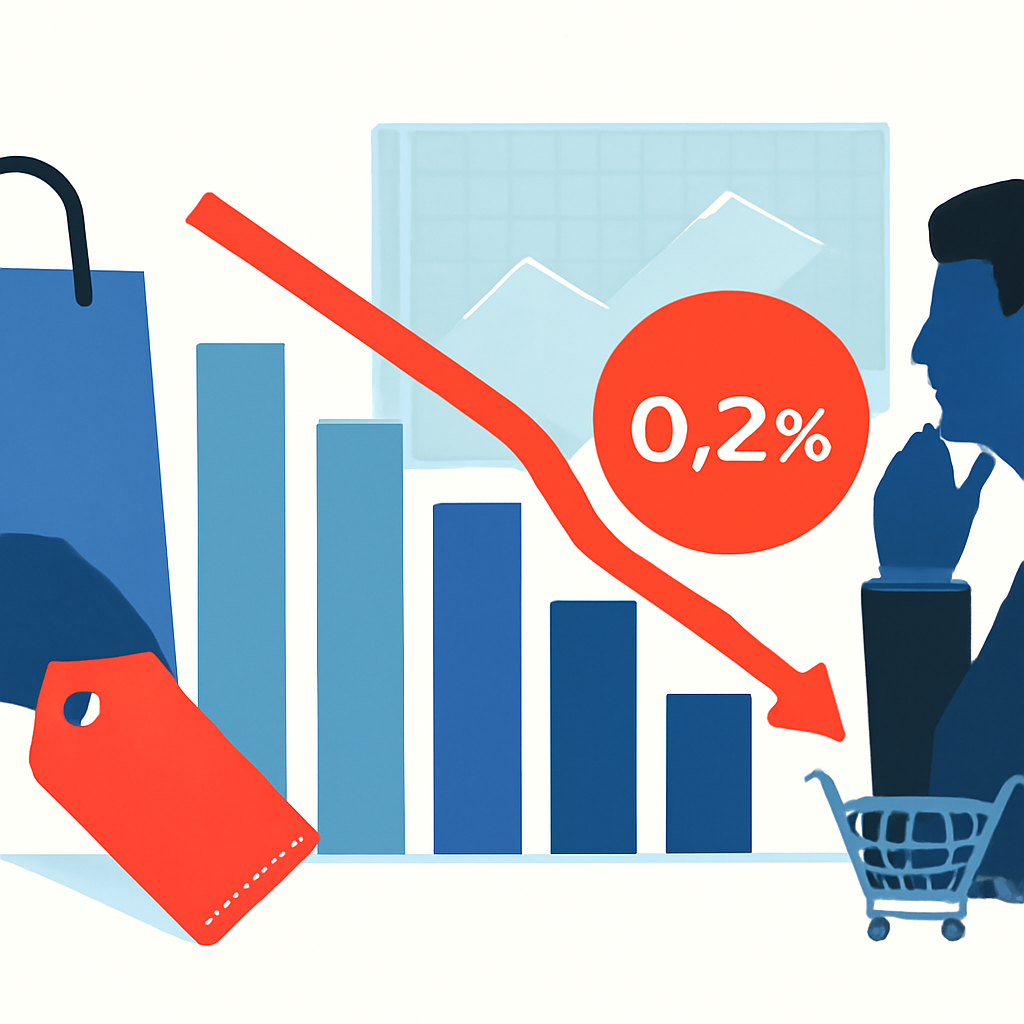
In June 2026, retail and food services sales in the U.S. increased by only 0.2%, reaching $768.6 billion. This figure aligns with expectations but marks a significant slowdown compared to a revised 1.0% growth in May. Over the second quarter, sales grew 6.4% year-over-year, but the latest data indicates a shift in consumer spending habits.
Why It Matters
The slowdown in retail sales could signal a cooling in consumer confidence, which is vital for economic growth. Slow sales can lead to decreased corporate earnings, negatively impacting stock prices. Moreover, this decline comes at a time when investors are already jittery due to rising concerns about artificial intelligence and ongoing tensions in the Middle East, further complicating the market landscape.
Context
Retail sales are a key indicator of economic health, reflecting consumer spending that drives much of the U.S. economy. The modest growth in June contrasts with the robust increase seen earlier in the year, raising questions about whether consumers are tightening their belts amid rising inflation or other economic uncertainties. The ongoing geopolitical tensions also contribute to a cautious market environment.
What It Means
For investors, the combination of slow retail sales growth and external pressures like AI concerns and geopolitical instability could lead to increased volatility in the stock market. Companies in sectors reliant on consumer spending might face challenges, and investors may need to adjust their strategies to navigate this uncertain landscape. Understanding these dynamics is crucial for anticipating future market movements and making informed investment decisions.