The Gist
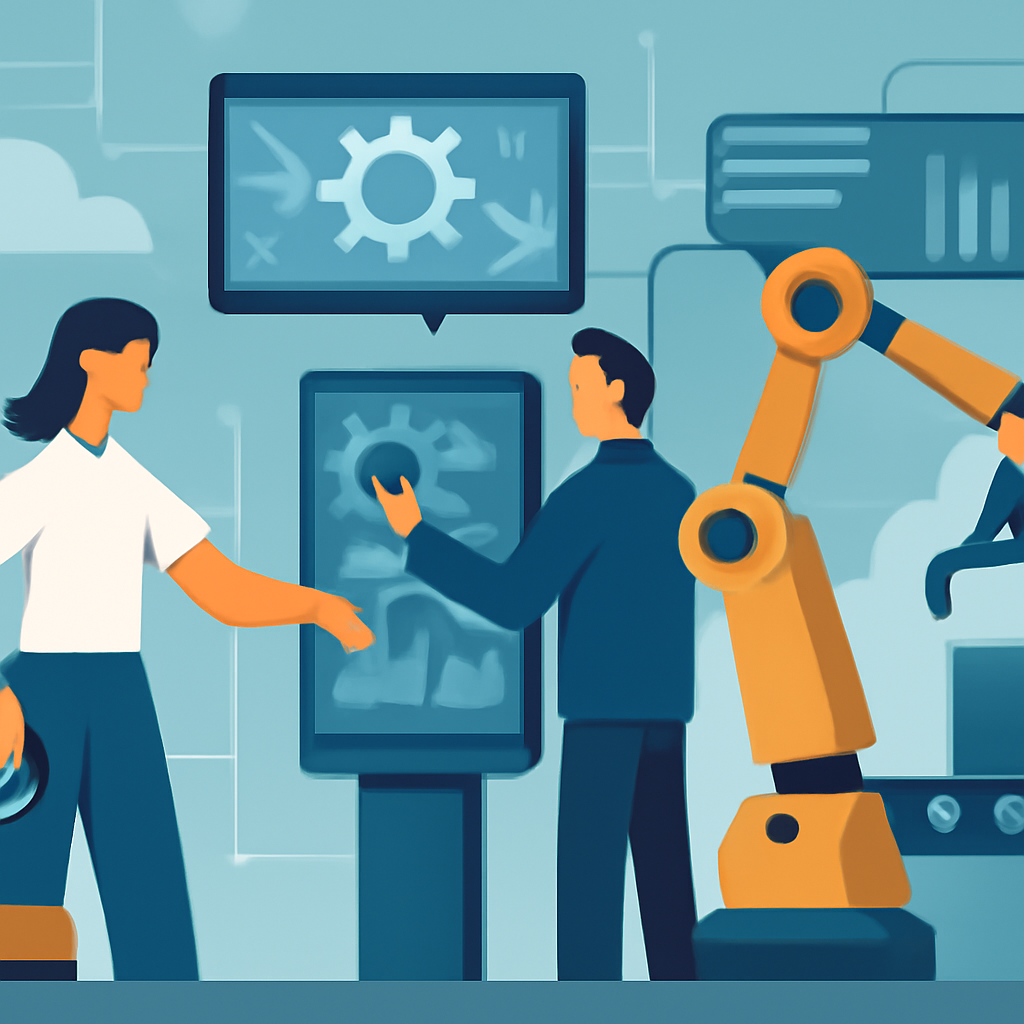
Factory 5.0, or Industry 5.0, emphasizes the collaboration between people and advanced technologies like AI and robotics. Unlike its predecessor, Factory 4.0, which focused on efficiency, Factory 5.0 prioritizes human well-being, sustainability, and operational resilience, marking a significant shift in manufacturing philosophy.
How It Worked
Matthew Chang, who has commissioned around 30 factories since 2017, highlights the necessity of grounding discussions about manufacturing in real-world experiences rather than theoretical frameworks. The approach involves rethinking factory design to enhance throughput by leveraging both human talent and technology. This means actively involving workers who can engage with intelligent systems and solve complex problems rather than merely replacing human labor with automation. Chang advocates for a blueprint that incorporates better materials decisions and a design that amplifies the skills of the workforce.
Results
The focus on Factory 5.0 has led to an increased understanding of throughput as a measure of success, incorporating metrics that evaluate how technology empowers human workers. Companies embracing this approach can expect to navigate supply shortages and workforce challenges more effectively, as they design factories to optimize human potential alongside machine efficiency.
Why It Matters for You
For manufacturers looking to thrive in a competitive landscape, adopting the Factory 5.0 model is crucial. It’s not just about automation; it’s about fostering a culture where human and technological collaboration can flourish. Assess your current factory design and consider how you can integrate advanced technologies that complement, rather than replace, your workforce.