The Gist
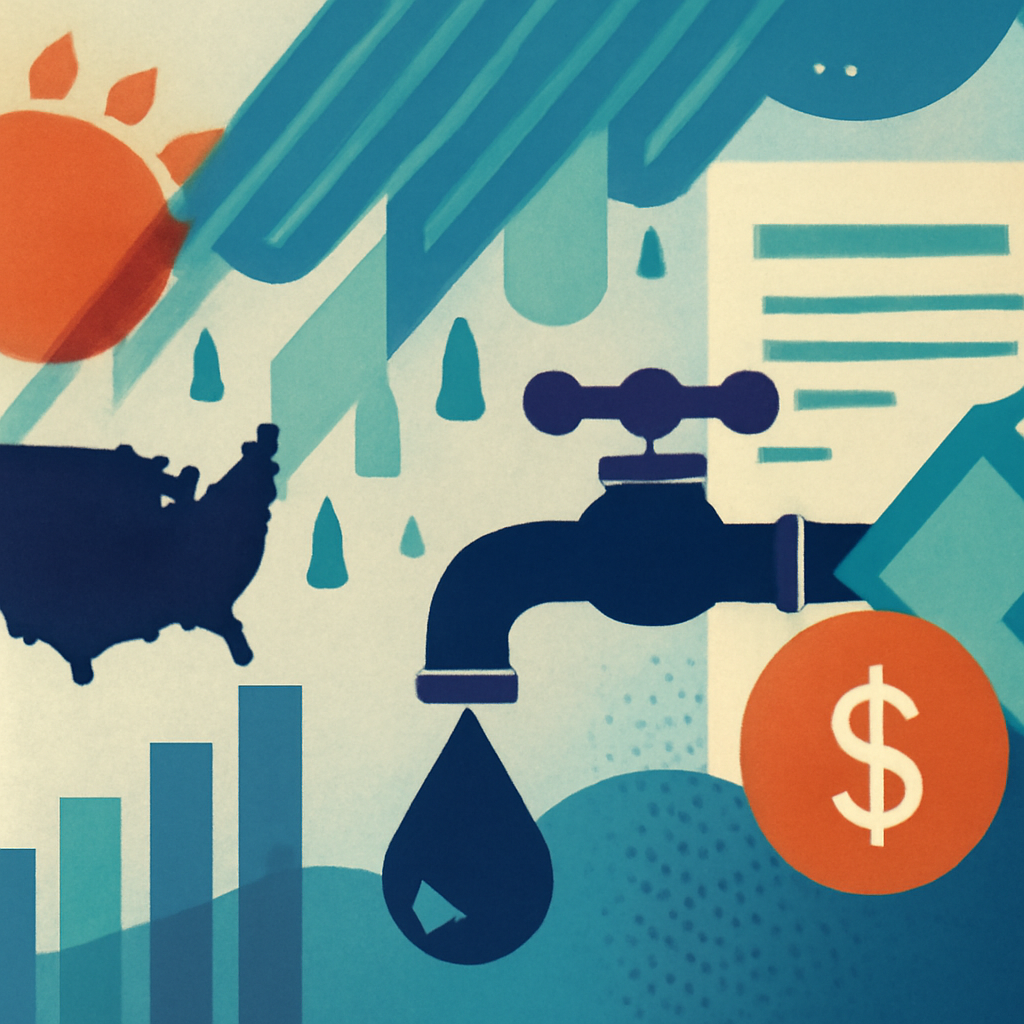
A study from Stanford University warns that rising water bills, driven by climate change, could make water unaffordable for one-third of U.S. households within a decade. The research highlights the urgent need for intervention from policymakers to prevent a crisis.
How It Worked
The researchers focused on Santa Cruz, California, to model the impact of climate change on water affordability. They identified that increasing demands due to hotter, drier conditions will force utilities to invest in costly infrastructure. This investment typically leads to higher water bills, pushing low-income households into financial distress. The study advocates for alternative financing solutions, such as grants and assistance programs for those affected.
Results
Water rates have been rising three times faster than inflation. If current trends continue, it is projected that many households may face bills double their current amounts, significantly impacting their budgets. The study’s models suggest that places like Los Angeles, San Diego, and San Francisco could see similar issues, exacerbating the water affordability crisis nationwide.
Why It Matters for You
For individuals and businesses, understanding the potential for increased water costs is crucial. It’s time to consider water conservation strategies and engage with local policymakers to advocate for sustainable water management solutions. By doing so, we can collectively mitigate the impending crisis and protect vulnerable communities from being priced out of basic water access.