What Happened
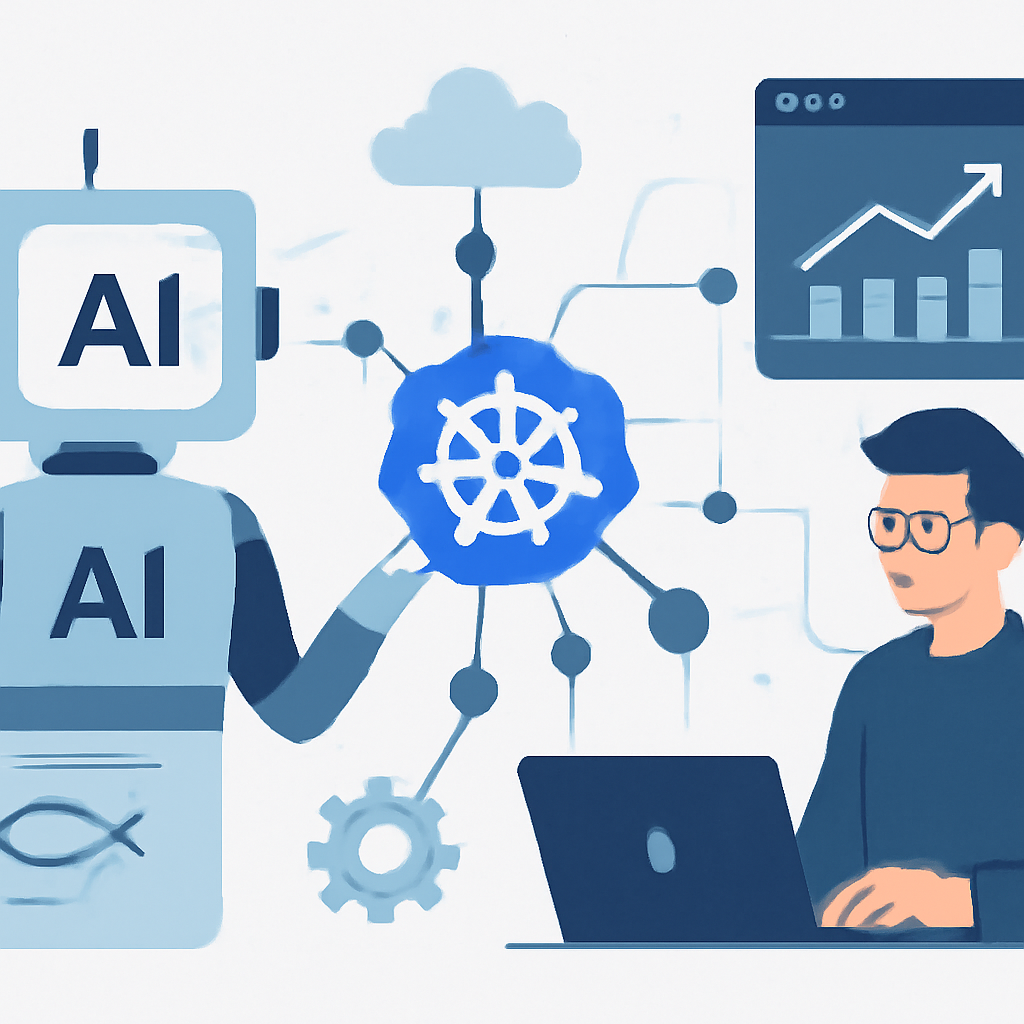
A graduate student in AI has developed Zer0Fit, a tool that allows users to access Google's new machine learning models, TabFM and TimesFM, locally. This MCP (Model Control Protocol) server runs in a Docker container and enables users to perform zero-shot machine learning tasks such as forecasting, classification, and regression without the need for extensive model training or tuning.
Why It Matters
Zer0Fit simplifies the process of utilizing advanced machine learning models, making them accessible to a wider audience. Users can achieve high accuracy scores, like 94.7% on the Iris dataset, using just a local setup with a minimum of 16GB of VRAM. This represents a significant advancement for those who may lack the deep technical expertise typically required for machine learning tasks, bridging the gap between advanced AI models and everyday users.
Context
The introduction of TabFM and TimesFM by Google marks a noteworthy shift in machine learning, bringing foundational transformer models into the realm of tabular data. Traditionally, working with such models required complex knowledge of hyperparameters and model tuning. The Zer0Fit project aims to democratize access to these powerful models, making it easier for anyone to leverage AI technology without needing extensive background knowledge.
What It Means
Zer0Fit could pave the way for more innovative applications in machine learning by lowering the barriers to entry for users. As more people experiment with these models, we may see exciting developments in AI that combine the strengths of traditional ML with newer transformer-based approaches. The potential for collaboration and experimentation could lead to advances that push the boundaries of what machine learning can achieve. However, users are cautioned that results from this experimental tool should be viewed with skepticism and used primarily for research purposes.