What Happened
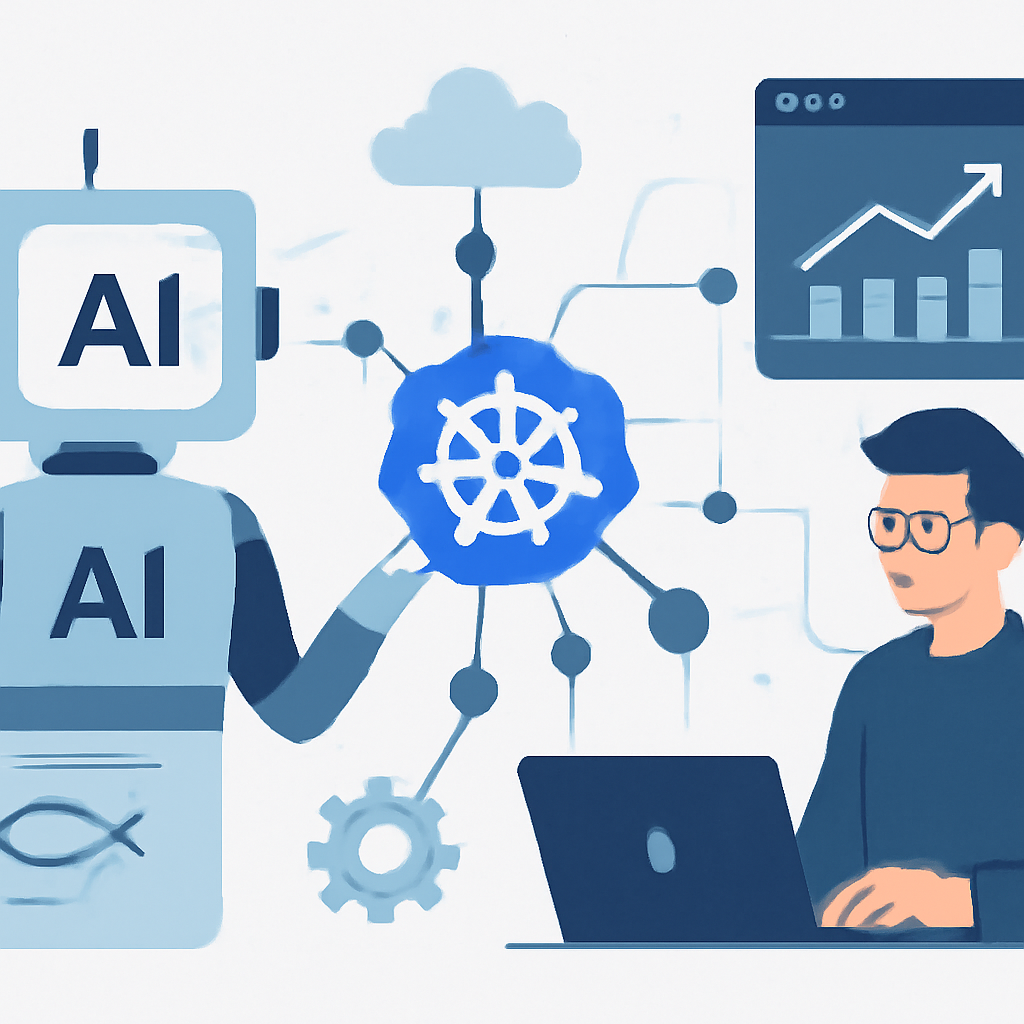
An AI assistant has been integrated into the Kubernetes platform, allowing users to manage their clusters through natural conversation. This means developers can create manifests and monitor cluster states just by communicating with the AI.
Why It Matters
The introduction of such an assistant significantly simplifies working with Kubernetes, especially for newcomers. Developers are no longer required to dive deep into complex technical details and commands to manage their clusters. This can speed up development and deployment processes while also reducing errors associated with misunderstandings of commands.
Context
Kubernetes has long been the standard for managing containers and cloud services. However, working with it requires extensive knowledge. The implementation of an AI assistant is a step toward a more accessible and intuitive interface for users, aligning with current trends in automation and AI.
What It Means
The addition of an AI assistant to Kubernetes could mark the beginning of a new era in DevOps, where automation and AI play a crucial role. The ability to integrate local models and plans for incorporating built-in LLMs opens up new possibilities for functionality. This means users will not only be able to manage clusters but also tailor the AI to their specific needs, greatly expanding the platform's capabilities.