What Happened
Revolut has announced the integration of the Lightning Network for its users in the UK and Europe, claiming that this will bring 35 million new users into the Lightning ecosystem. The news was met with enthusiasm in the Bitcoin community, celebrating the potential for increased adoption of Lightning technology.
Why It Matters
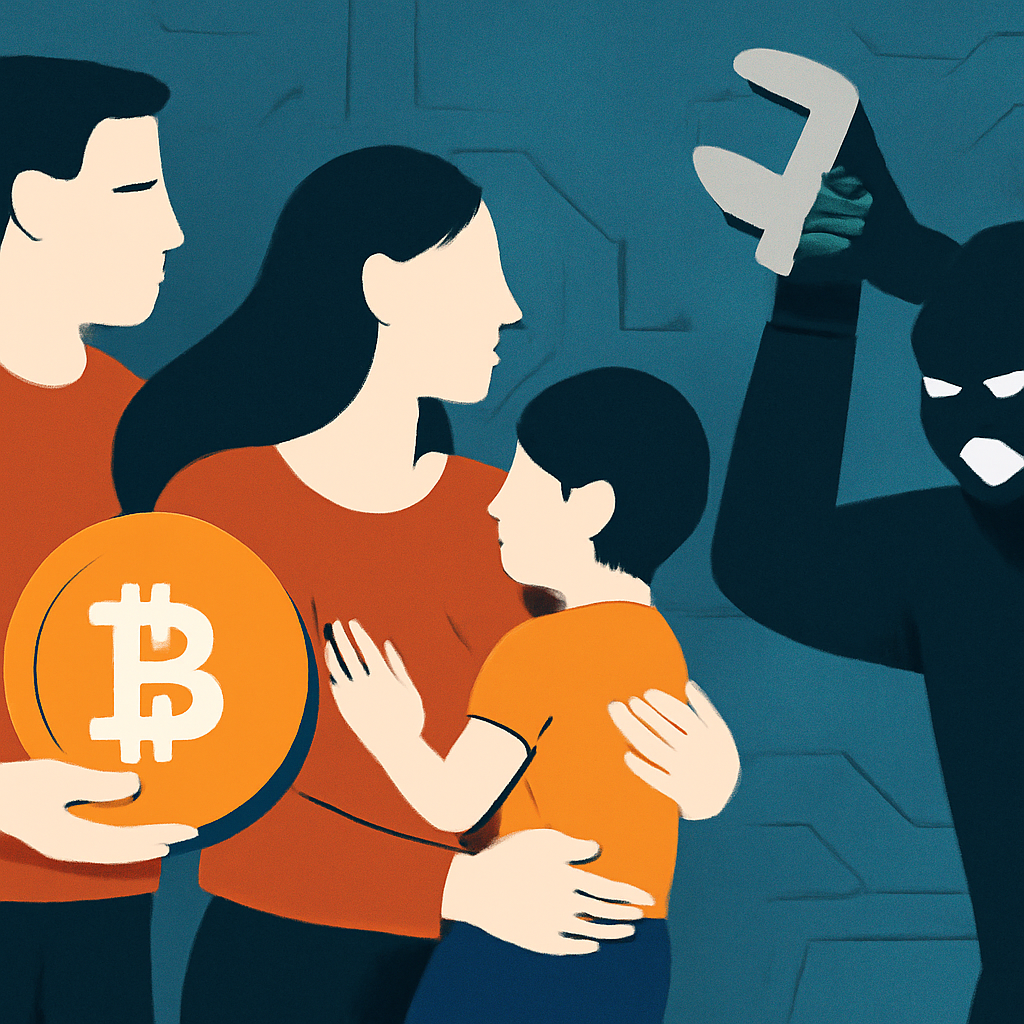
While the number of users is impressive, the nature of this integration raises concerns. Unlike self-custodial Lightning solutions, Revolut's offering is custodial. This means that users won’t have control over their Lightning nodes or channel keys. Instead, Revolut will manage these aspects on behalf of its users, which undermines the principles of decentralization and personal sovereignty that are core to the Bitcoin ethos.
Context
The Lightning Network is designed to facilitate fast and low-cost Bitcoin transactions by allowing users to open payment channels directly with one another. This peer-to-peer model enhances privacy and self-custody, allowing users to retain control over their funds without intermediaries. However, custodial solutions like the one offered by Revolut mirror traditional banking practices, where users must trust a third party with their assets.
What It Means
The integration of Lightning by a major financial service like Revolut does validate the technology's scalability and potential for mainstream use. However, the fact that it creates a large base of surveilled custodial users is a significant departure from the foundational principles of Bitcoin. Users may enjoy the convenience of Lightning transactions, but they will sacrifice privacy, control, and the fundamental benefits of Bitcoin's decentralized nature. This situation prompts a reevaluation of what it means to truly adopt and utilize the Lightning Network.