What Happened
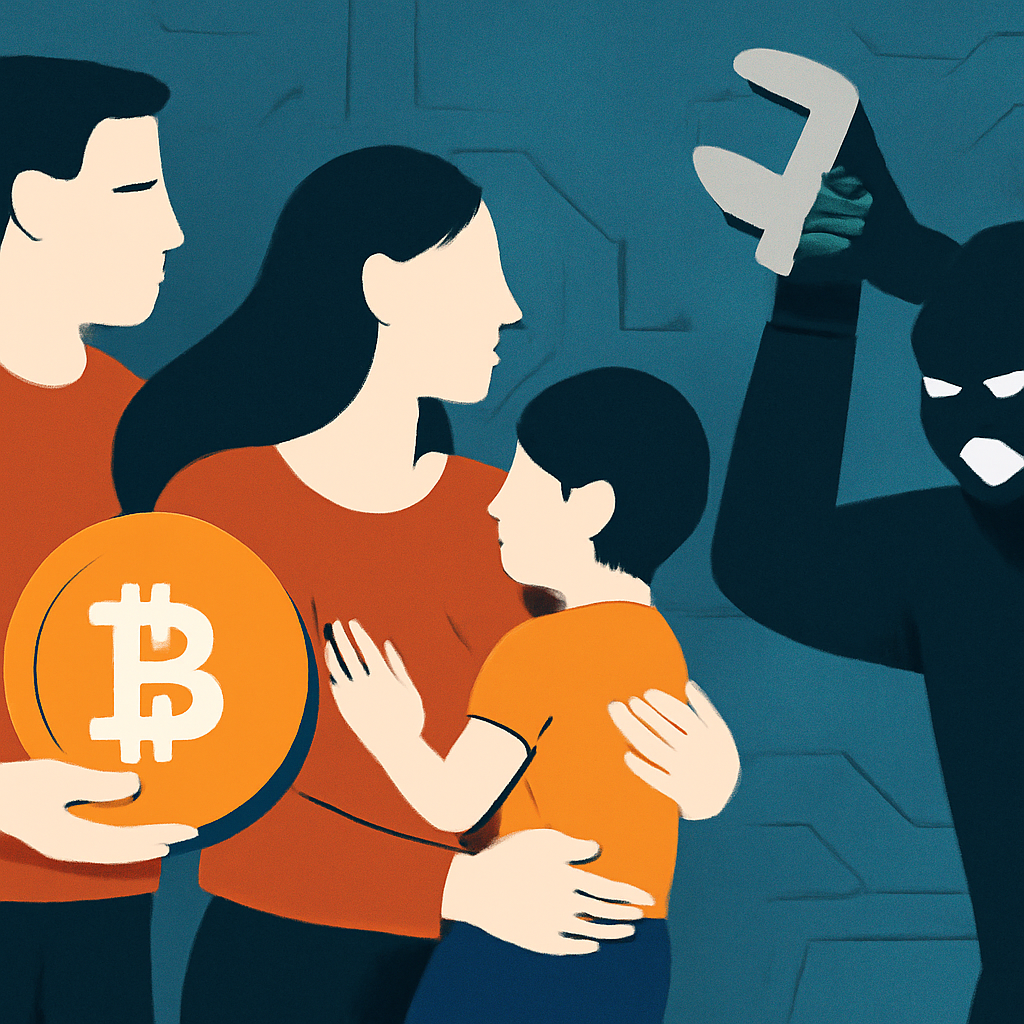
Attacks known as "wrench attacks"—where criminals physically coerce individuals into giving up their cryptocurrency keys—have surged dramatically in recent times. According to recent data, these attacks rose by 75% in 2025 and continued to climb with a 41% increase in the first quarter of 2026 alone. The brutal reality is that victims are increasingly not the crypto holders themselves, but rather their relatives, including spouses, children, and elderly parents.
Why It Matters
The rise in wrench attacks poses significant risks not just to individual crypto holders but to their loved ones as well. With over $101 million extorted in the first four months of 2026, the financial implications are severe. Moreover, the shift in victim profiles raises alarms about personal safety and operational security for families of crypto investors, who may not even be aware of the risks associated with their loved ones' investments. This troubling trend calls for urgent attention from both the crypto community and law enforcement.
Context
Historically, wrench attacks have been viewed as a meme within the crypto community, with little serious consideration given to their potential for real-world violence. However, as the crypto market has matured, so have the tactics of criminals. The European Union's new DAC8 directive, which requires crypto platforms to report detailed user information to tax authorities, has inadvertently created a roadmap that criminals can exploit. This directive will begin automatic data exchanges across EU member states in 2027, effectively linking identities to crypto holdings.
What It Means
The implications of these wrench attacks and the DAC8 directive are alarming. With a growing number of attacks targeting the families of crypto holders, the landscape for personal safety is changing rapidly. The combination of easily accessible personal data and the increase in violent crime creates a perfect storm for exploitation. As governments collect and share sensitive information, the risk of these datasets falling into the wrong hands increases, potentially leading to more wrench attacks. The crypto community must prioritize discussions around security measures not only for holders but for their families as well, to mitigate these escalating threats.