The Gist
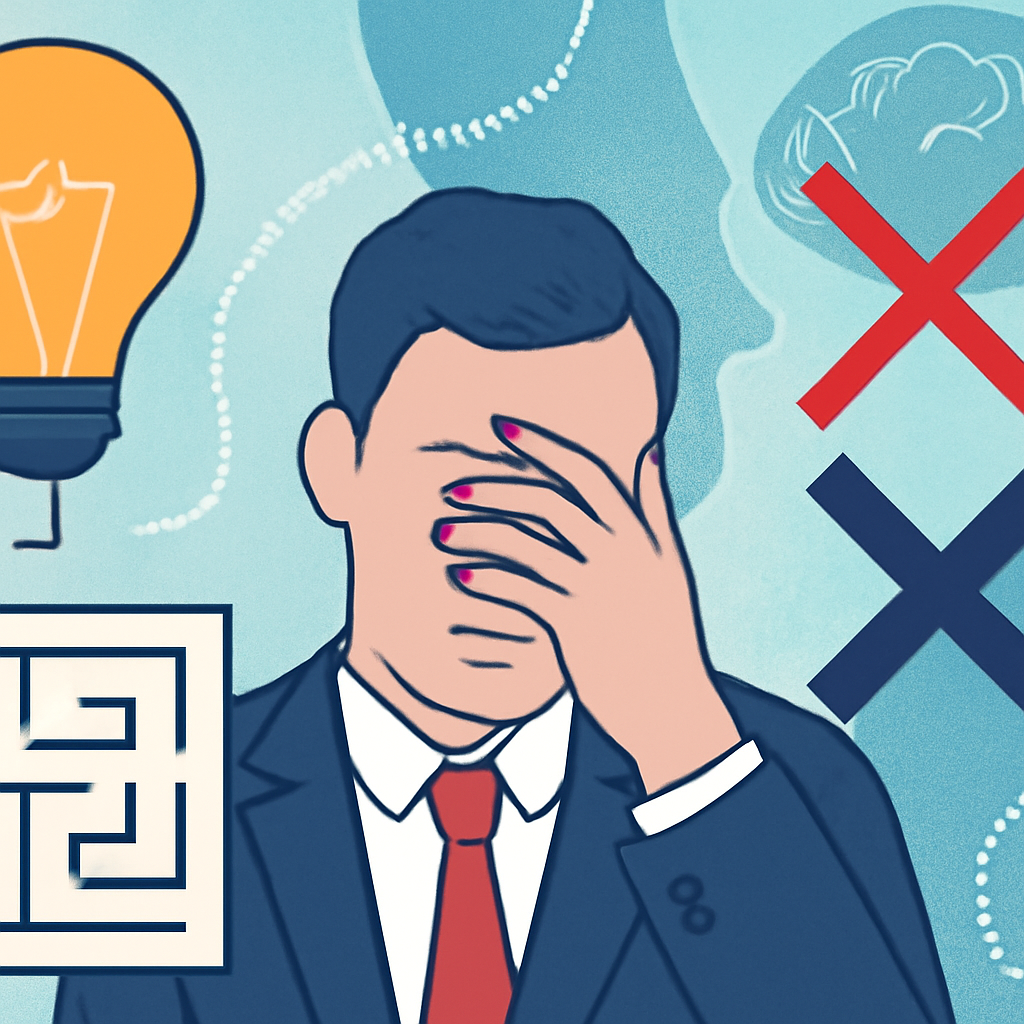
Smart people can make terrible decisions because their intelligence often leads to overconfidence and justification of poor choices. This paradox of intelligence creates a trap where the very skills that should lead to sound judgment instead lead to irrational outcomes.
How It Worked
Recognizing the phenomenon of motivated reasoning is crucial. Highly intelligent individuals may become adept at building arguments for their desired outcomes rather than critically assessing the situation. To combat this, experts like Charlie Munger suggest inverting the decision-making process: instead of focusing solely on success, analyze how the decision could fail. This approach encourages humility and a rigorous examination of potential flaws in reasoning.
Results
Implementing a premortem strategy, where individuals imagine a decision has failed and list reasons for that failure, can significantly improve decision-making. By forcing oneself to confront potential errors, the chance of costly missteps decreases. This method has been shown to foster a more balanced perspective, leading to better outcomes in both personal and professional contexts.
Why It Matters for You
To avoid falling into the intelligence trap, cultivate a habit of questioning your conclusions. Before making high-stakes decisions, ask yourself, "What evidence do I have that I might be wrong?" Embracing doubt and actively seeking to disprove your assumptions can protect against costly mistakes. Remember, true intelligence lies not just in the ability to reason, but in the willingness to confront and accept reality as it is.