The Gist
Ten years ago, Pokémon Go transformed mobile gaming by integrating real-world exploration with augmented reality. Launched by former Google engineers, it turned into a cultural phenomenon, captivating millions of players who ventured outdoors to catch Pokémon.
How It Worked
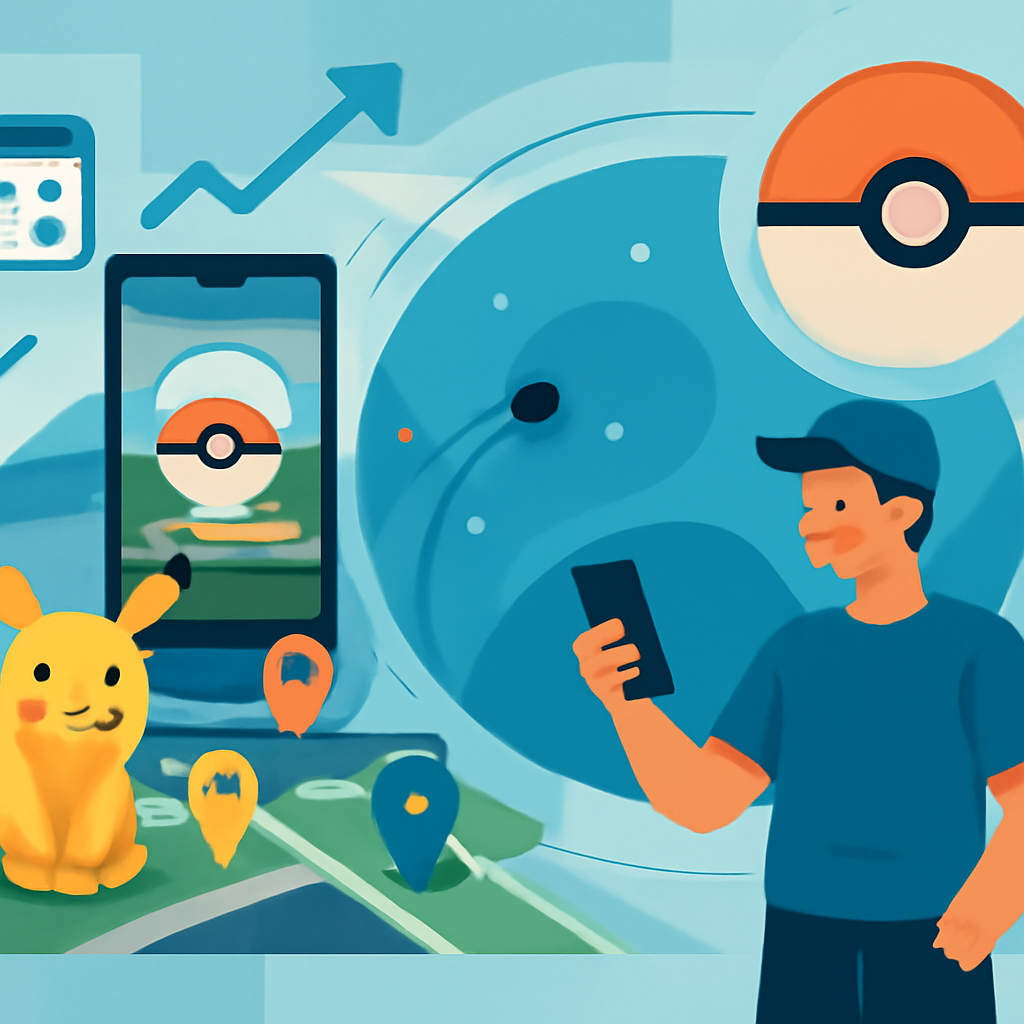
The game's success stemmed from a unique premise: encouraging physical activity and real-world exploration. By utilizing location-based technology from Niantic's previous game, Ingress, Pokémon Go created a digital overlay of Pokémon on real-world maps. Players could find and capture Pokémon at specific locations, turning their neighborhoods into interactive environments. The game also hosted live events that attracted massive participation, boosting community engagement.
Results
Pokémon Go achieved over 500 million downloads within just two months of launch and has attracted more than 800 million players in total. As of 2024, the game generated over $1 billion in revenue, contributing to an estimated total of over $9 billion since its inception. Daily playtime has increased by 10% year over year, demonstrating sustained player interest and engagement.
Why It Matters for You
The key takeaway from Pokémon Go's success is the importance of blending gaming with real-world experiences. By encouraging players to explore their surroundings, you can create a more engaging and rewarding experience. Consider how you might incorporate location-based elements or physical activity into your own projects to boost user engagement and community building.