The Gist
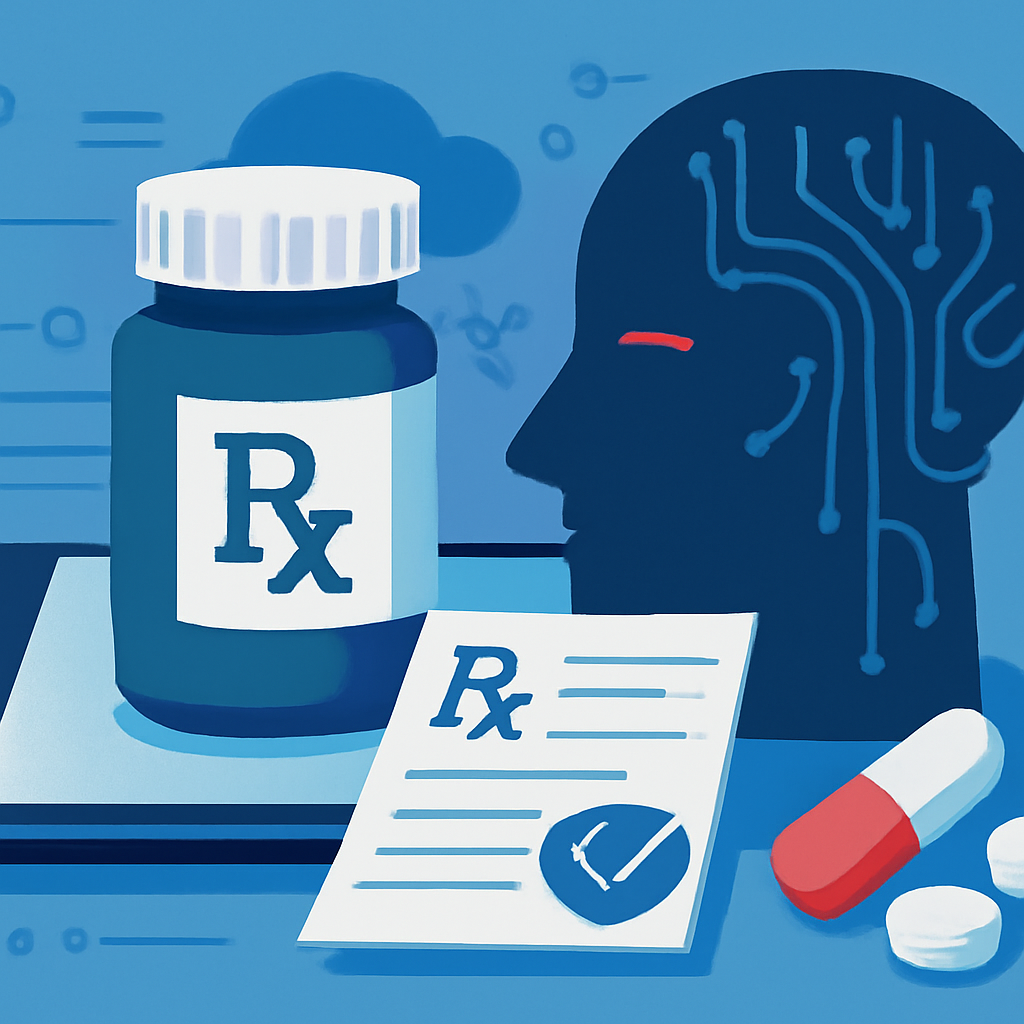
Utah has launched a pilot program that allows residents to refill prescriptions through an AI chatbot named Doctronic, bypassing traditional doctor visits. This initiative has ignited significant discussions about the role of AI in medicine, including regulatory challenges and patient safety concerns.
How It Worked
Doctronic operates under a regulatory sandbox, which permits the company to test its technology while waiving certain laws. Initially, human doctors reviewed all refill requests to mitigate risks. The chatbot verifies patient identities and prescriptions by accessing a national pharmacy database. If issues arise, it transfers patients to a telehealth doctor. The program is designed to streamline healthcare delivery, potentially allowing doctors to manage larger patient loads.
Results
During its initial phase, Doctronic achieved an 80% diagnostic accuracy rate compared to human doctors in a study involving 500 telehealth consultations. However, concerns were raised by the Utah medical licensing board, which called for an immediate halt to the program due to potential risks associated with automatic refills of medications, including blood thinners. Several medications have already been removed from the refill list after safety evaluations.
Why It Matters for You
This case highlights the need for rigorous regulatory frameworks as AI technologies infiltrate healthcare. As a practitioner or business owner in the health sector, consider how emerging technologies can improve service delivery while ensuring patient safety and compliance with existing regulations. Being proactive in understanding these dynamics could position you as a leader in the evolving healthcare landscape.