What happened
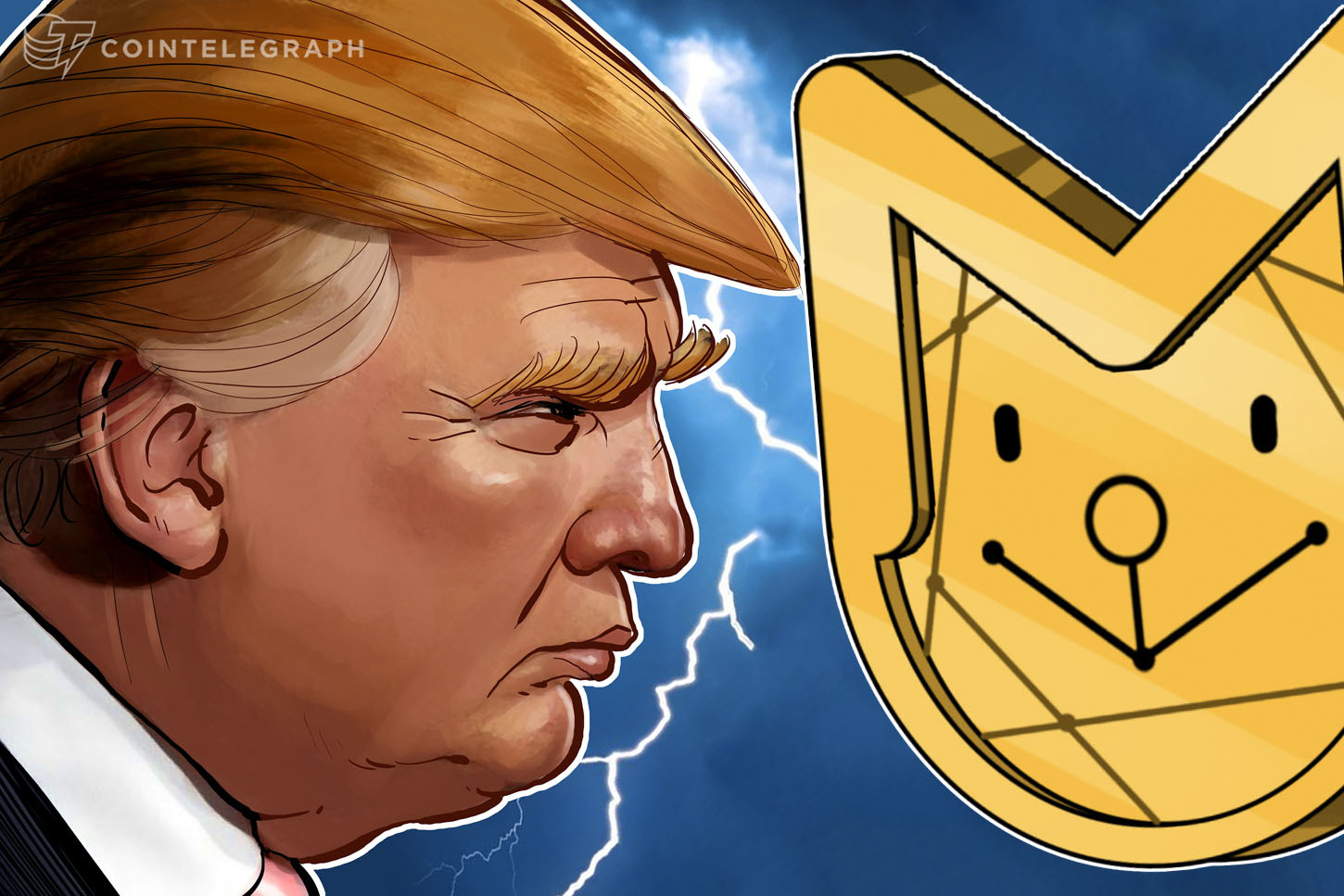
Senator Kirsten Gillibrand has introduced a proposal aimed at preventing elected officials from creating or endorsing digital currencies, specifically memecoins. This includes members of Congress, the President of the United States, and their spouses. The intention behind this proposal is to maintain integrity and public trust in the political system.
Why it matters
The move could significantly impact the cryptocurrency landscape, especially in the realm of memecoins, which often thrive on hype and celebrity endorsements. If this ban is enacted, it could limit the influence of politicians in the crypto space, potentially stabilizing the market by removing speculative assets linked to political figures. This may also protect investors from the risks associated with political motivations behind such currencies.
Context
Memecoins have gained popularity in recent years, often propelled by social media trends and endorsements from celebrities. However, the rise of these digital assets has sparked concerns regarding their legitimacy and the potential for market manipulation. As the cryptocurrency market matures, calls for regulation have intensified, with politicians increasingly scrutinizing how digital currencies are developed and promoted.
What this means
If Senator Gillibrand's proposal passes, it would mark a significant step in regulating the cryptocurrency market, particularly regarding the intersection of politics and digital assets. This could lead to a clearer regulatory framework for cryptocurrencies, encouraging more responsible participation by both investors and public figures. Ultimately, such regulations may help in fostering a more stable and trustworthy cryptocurrency ecosystem.