What Happened
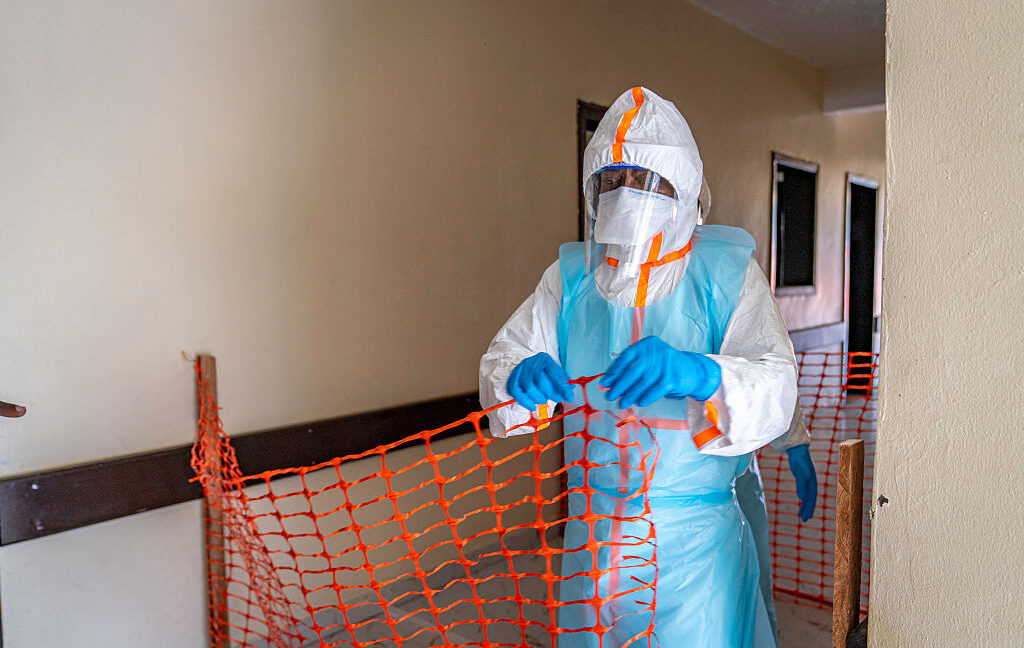
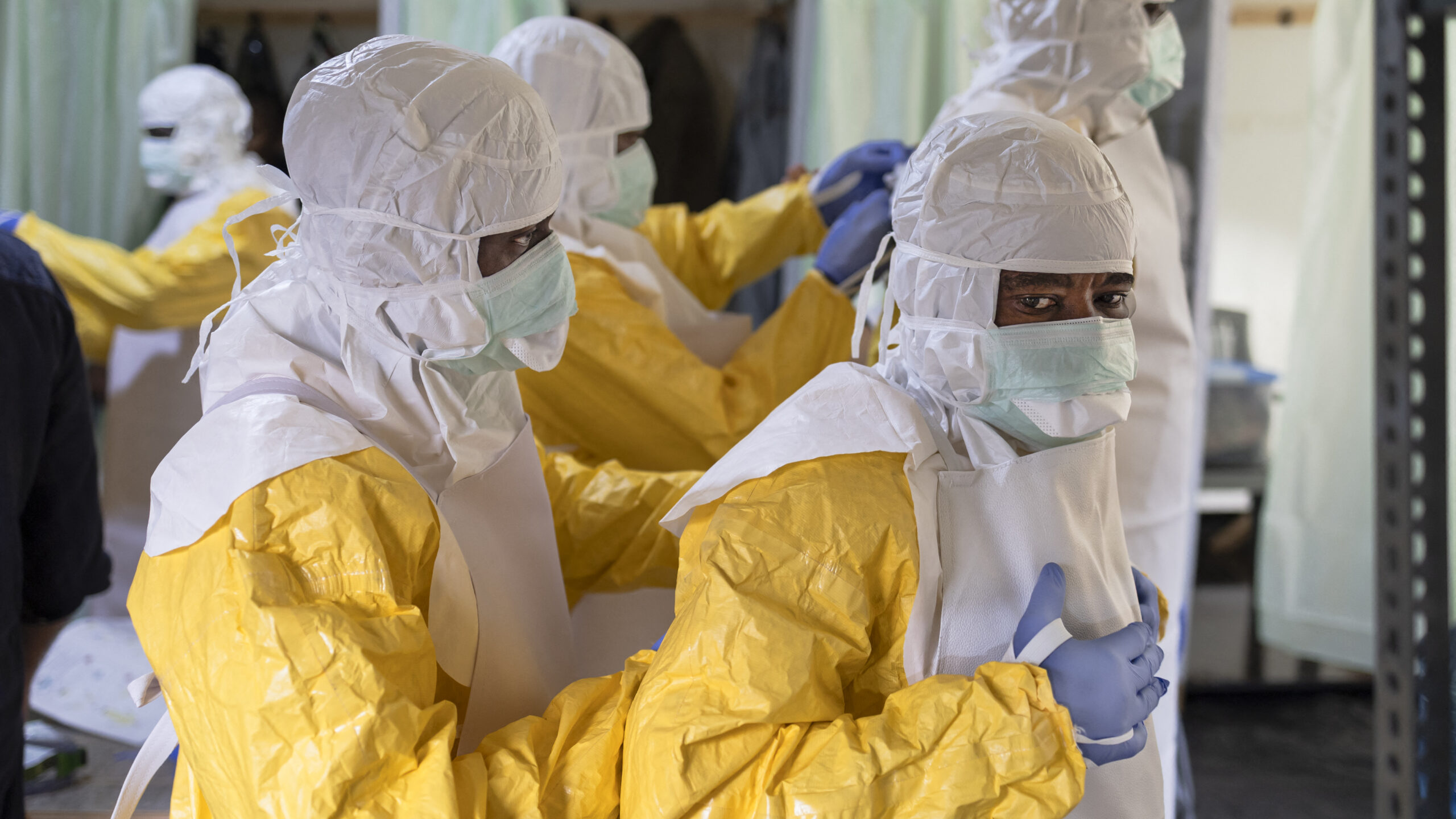
A US citizen involved in humanitarian efforts in the Democratic Republic of Congo has tested positive for Ebola, making them the second American to contract the virus during a significant outbreak. This outbreak has been characterized by a surge in cases since it was declared on May 15, and it is now the third largest on record. The individual has been transferred to Germany for treatment, following a similar fate for another American infected earlier in the outbreak.
Why It Matters
The decision to send infected citizens to Germany rather than utilizing domestic facilities raises serious concerns about the US approach to handling Ebola cases. Despite having specialized facilities across the country capable of managing Ebola patients safely, the US government has opted for an isolationist policy, which includes limiting travel and blocking repatriation of those exposed to the virus. This might affect public health responses and could lead to increased international skepticism regarding the US commitment to global health issues.
Context
The current Ebola outbreak in the DRC has become alarming, with nearly 2,000 cases and over 700 deaths reported. It is caused by the Bundibugyo strain, a variant that is less familiar to many. Historically, the US has dealt with Ebola outbreaks by utilizing its specialized treatment centers, but a shift in policy under the previous administration has led to a more cautious stance regarding repatriation and treatment of infected citizens abroad.
What It Means
The ongoing outbreak and the US's response could have long-term implications for public health strategy and international relations. By sending infected citizens to Germany, the US may be signaling a lack of confidence in its own healthcare infrastructure for handling such crises. This approach could potentially undermine the country’s credibility in global health matters and affect future collaboration with international health organizations in combating infectious diseases.