What Happened
The Trump administration has implemented a significant travel restriction for U.S. citizens currently in the Democratic Republic of the Congo (DRC). Due to an ongoing Ebola outbreak, these individuals have been placed on a 'do-not-board' list, preventing them from returning to the U.S. until they spend 21 days in a third country. This measure was confirmed by multiple news outlets and took effect immediately, blocking around two dozen Americans from boarding their scheduled flights.
Why It Matters
This decision reflects a heightened concern over public health and safety in light of the Ebola virus's rapid spread in the DRC. By restricting travel, the administration aims to minimize the risk of the virus entering the United States. This move could lead to significant challenges for affected individuals, who may now face difficulties in securing accommodations and resources in third countries while they wait out the mandated period. Additionally, the implications for U.S. government personnel in the region remain unclear, potentially affecting diplomatic and humanitarian efforts.
Context
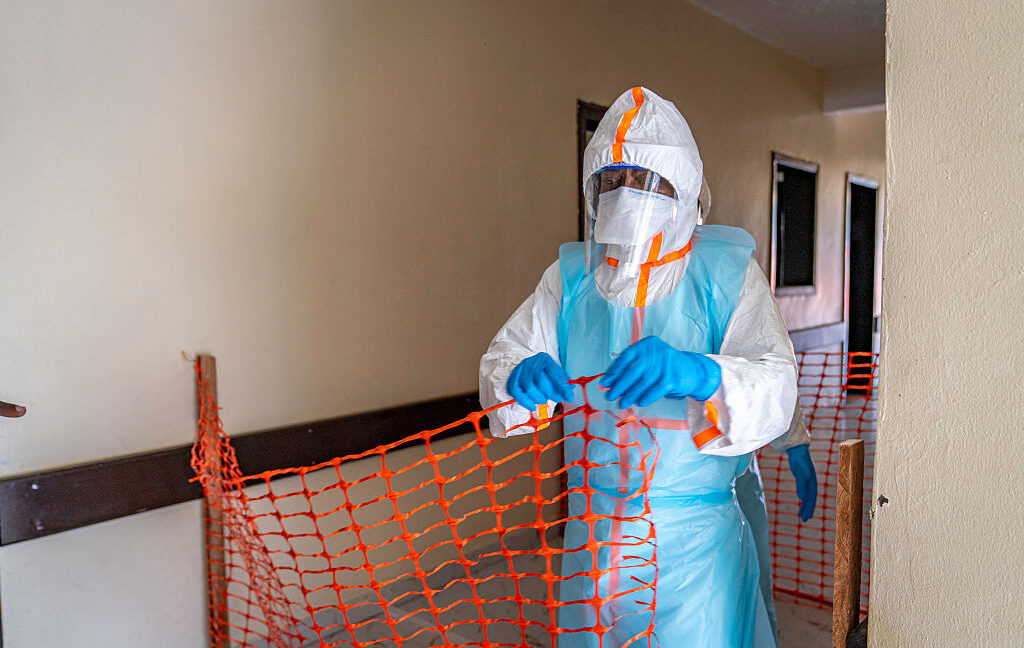
Ebola outbreaks have historically posed severe health risks, prompting countries to take precautionary measures. The current outbreak in the DRC has been particularly problematic, with response efforts lagging behind the virus's progression. In similar past instances, travel restrictions have been used as a tool to contain outbreaks, highlighting the ongoing tension between public health and individual rights during health crises.
What It Means
The administration's decision underscores the seriousness with which it is treating the Ebola outbreak, signaling a potential shift in how the U.S. handles international health threats. For Americans in the DRC, this could mean an extended and uncertain stay away from home. This policy may also set a precedent for future health emergencies, raising questions about the balance between protecting public health and ensuring the rights of citizens abroad.