What happened
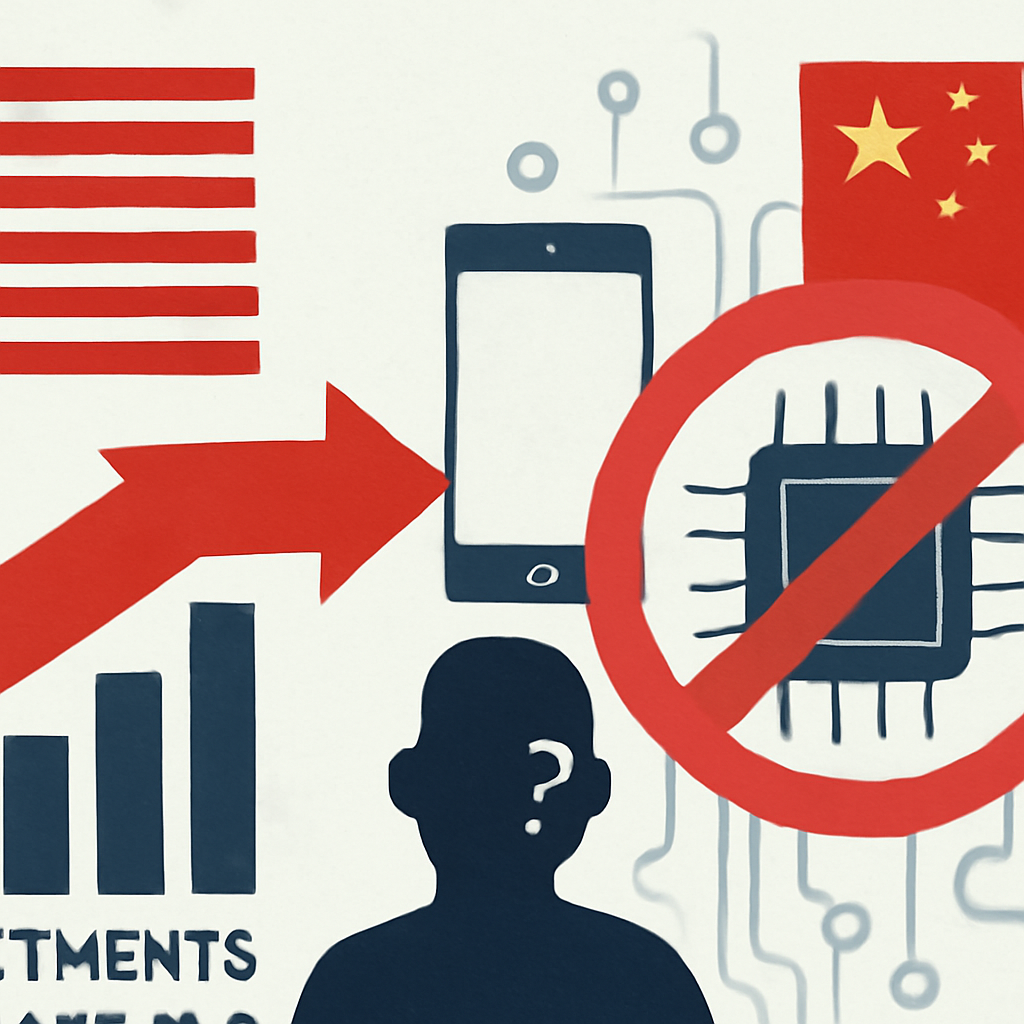
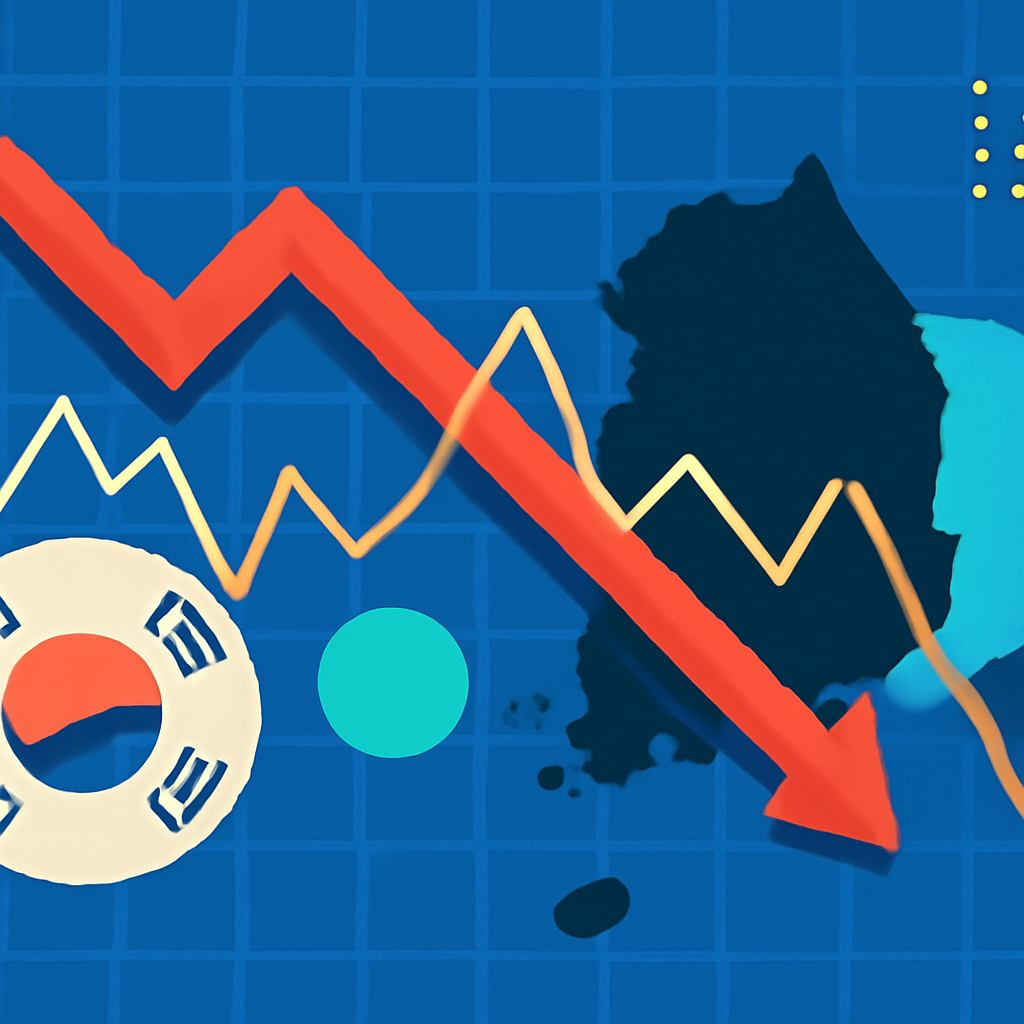
This week, South Korean markets experienced significant volatility, triggering circuit breakers on two separate occasions. The first incident occurred on Monday, followed by another on Thursday, which was particularly surprising given Micron's strong earnings report that highlighted the success of major players like Samsung and SK Hynix.
Why this matters
The triggering of circuit breakers is a sign of substantial market instability. The second breaker coming right after a positive earnings report raises questions about the underlying reasons for the sell-off. This suggests that the market's reaction may not be entirely based on earnings and points to potential broader issues affecting investor confidence.
Context
Historically, circuit breakers are mechanisms used to temporarily halt trading on stock exchanges to prevent panic selling and allow investors time to assess information. The fact that South Korea has experienced two such events in one week is unusual and indicates extreme market conditions. Recent discussions among lawmakers about taxing unrealized gains and SK Hynix's minor shift in production strategy have also contributed to the anxiety surrounding the market.
What this means
The extreme leverage seen in the Korean market could be a significant factor in the current volatility. Reports of lawmakers aiming to curb the use of leverage might intensify fears among retail traders who have taken on debt to invest. This could lead to a cycle of panic selling if investors start to worry about their positions. Additionally, the downward trend in other Asian markets suggests a possible regional economic issue, which could also influence U.S. markets due to the interconnected nature of global finance. Investors should be cautious, as the situation may escalate if these trends continue.