What happened
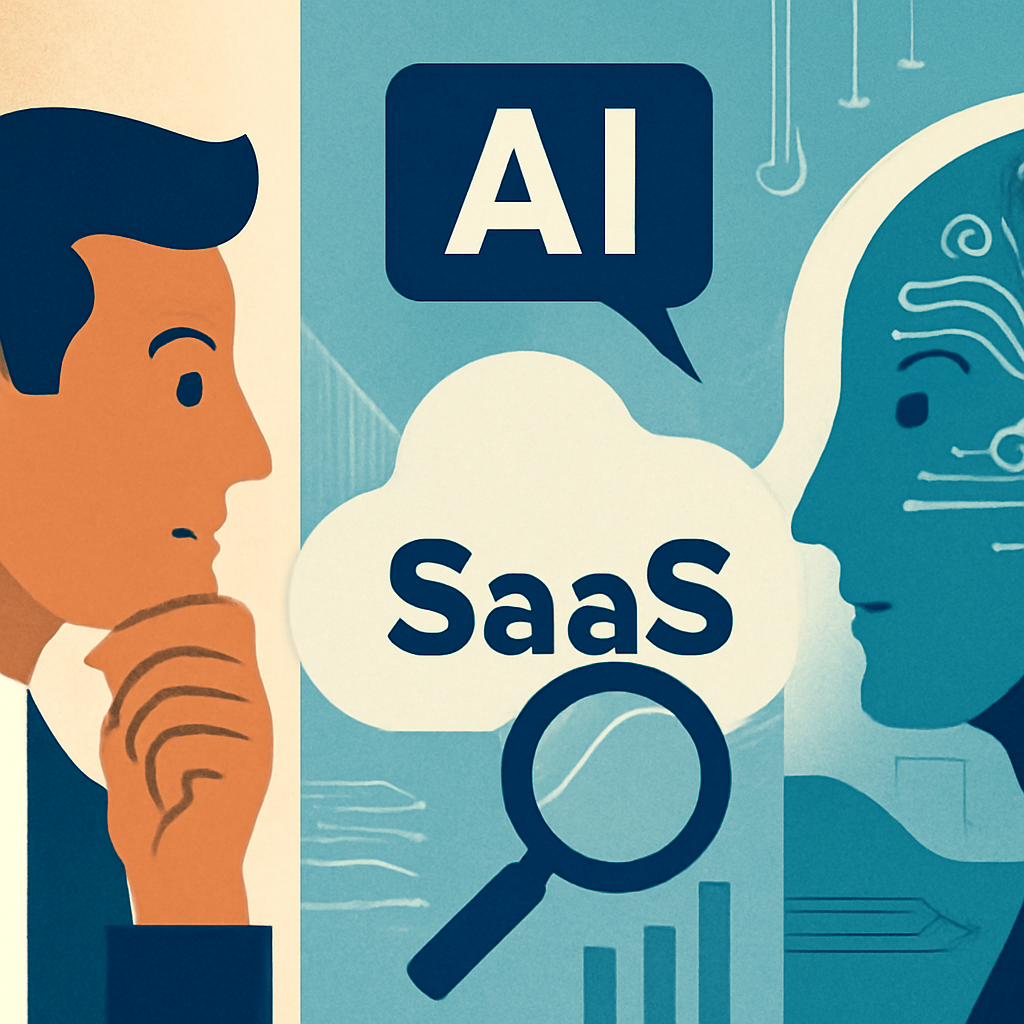
Recent discussions have sparked a debate about whether artificial intelligence (AI) is threatening the traditional Software as a Service (SaaS) model. Some claim that AI will lead to the demise of seat-based SaaS by allowing users to create their own software solutions or by replacing human workers. However, these assertions overlook critical factors in the SaaS landscape.
Why this matters
The implications of these fears are significant. If AI genuinely threatens to undermine established SaaS providers, it could lead to a major shift in how businesses operate and invest in technology. Understanding the reality behind these fears is crucial for both companies in the SaaS space and their customers.
Context
Historically, the SaaS model has thrived alongside cheaper software alternatives. While new tools emerge, successful SaaS platforms maintain their market presence due to their comprehensive offerings, reliability, and security. Furthermore, as AI tools integrate into existing workflows, they often enhance productivity rather than replace the need for traditional software solutions.
What this means
The argument that businesses will abandon established SaaS for DIY solutions oversimplifies the challenges of software development. Most companies prioritize their core operations over building custom software, which requires time, resources, and expertise. Moreover, the rise of AI is prompting users to interact more frequently with SaaS platforms through AI-driven interfaces, making these tools more accessible and efficient. In fact, spending on AI capabilities is increasing alongside traditional SaaS subscriptions.
While it is true that AI may disrupt some aspects of the SaaS market — such as design tools like Figma — mission-critical systems of record like CRMs and enterprise resource planning solutions are less likely to be replaced due to the complexities and risks involved in switching them out. Surveys indicate that companies are least likely to replace these foundational tools in the near future. The fears surrounding AI's impact on SaaS need to be tempered with a realistic understanding of the market dynamics and the enduring value of established software solutions.