What happened
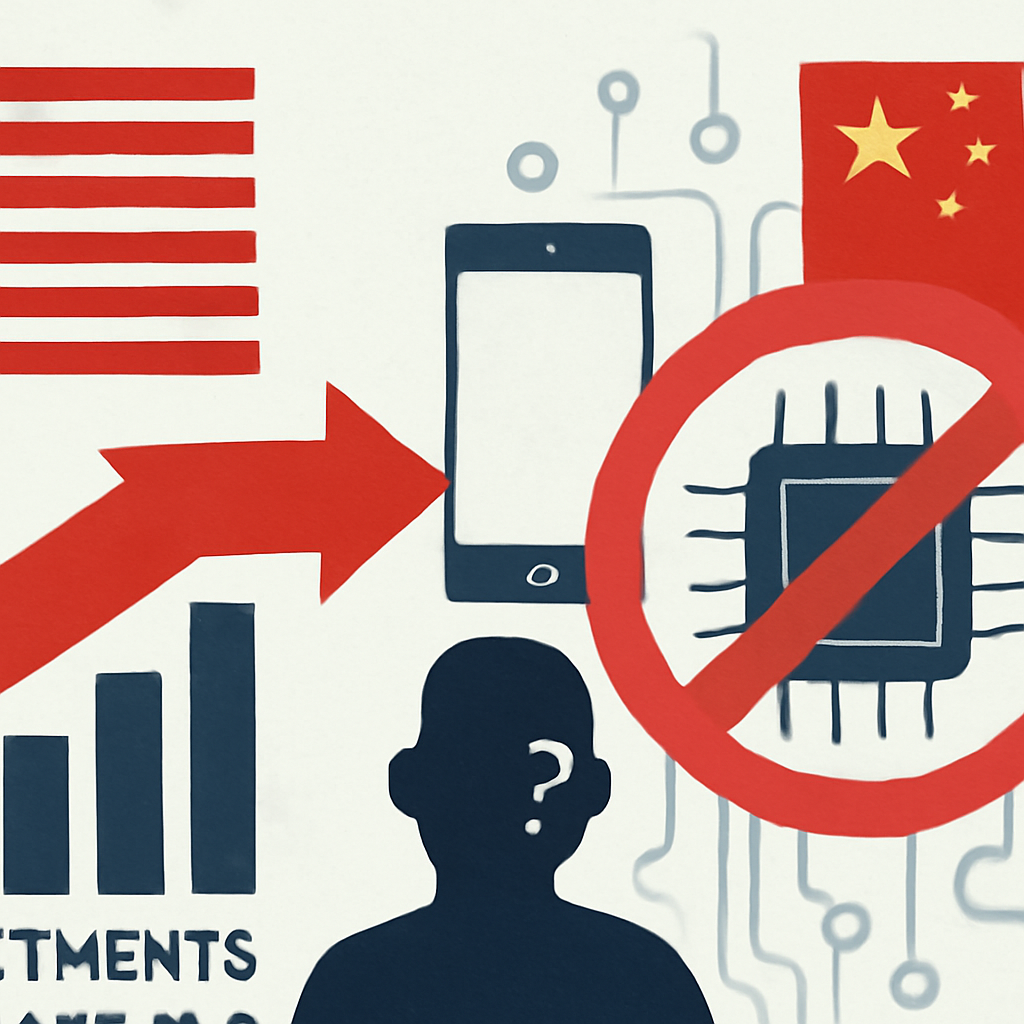
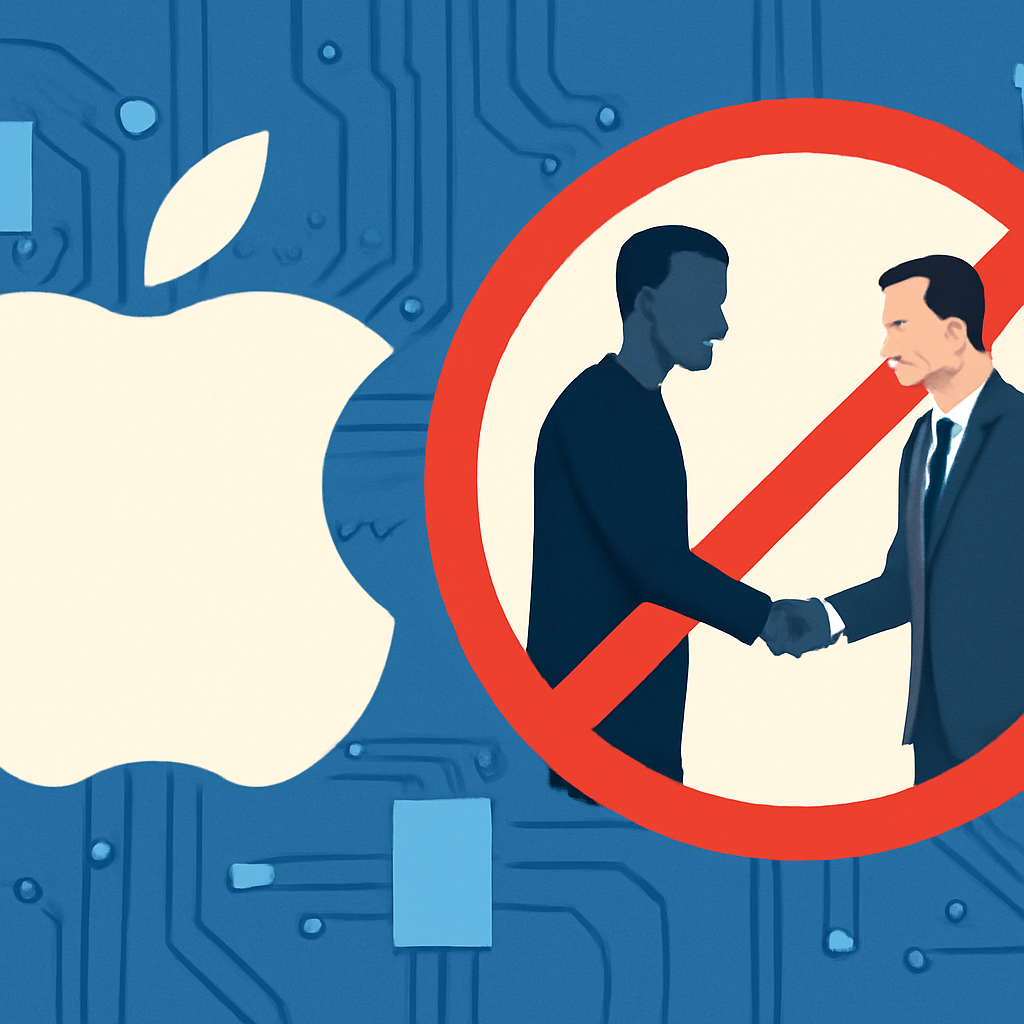
Apple is actively pursuing permission from the Trump administration to purchase memory chips from CXMT, a Chinese company that has been blacklisted by the Pentagon due to alleged links to the People’s Liberation Army (PLA). This move comes as Apple faces increasing pressure from rising memory chip prices, significantly impacting its production costs. The company has been lobbying various officials within the administration to secure the necessary clearance for this transaction.
Why this matters
This situation highlights the ongoing tensions between technology companies and national security concerns. If Apple successfully obtains the clearance to buy from CXMT, it could alleviate some financial burdens amid a global semiconductor shortage. However, this also raises questions about the implications for U.S. national security, especially as the Pentagon has deemed CXMT and another company, YMTC, as threats due to their alleged military connections.
Context
The backdrop to this situation is a broader landscape of U.S.-China relations, particularly regarding technology and defense. The Pentagon's blacklist, known as the 1260H list, includes various Chinese firms that are believed to pose risks to American security interests. This has created a challenging environment for U.S. companies that rely on Chinese suppliers for critical components, especially in light of rising global demand for memory chips.
What this means
If Apple’s lobbying efforts succeed, it could set a precedent for other tech companies looking to navigate similar regulatory hurdles. However, it also poses a risk of further complicating U.S.-China trade relations. The decision could either reinforce Apple's supply chain resilience or invite backlash from policymakers concerned about national security implications. As the tech industry continues to grapple with supply chain issues, this situation underscores the delicate balance between business needs and geopolitical realities.