What Happened
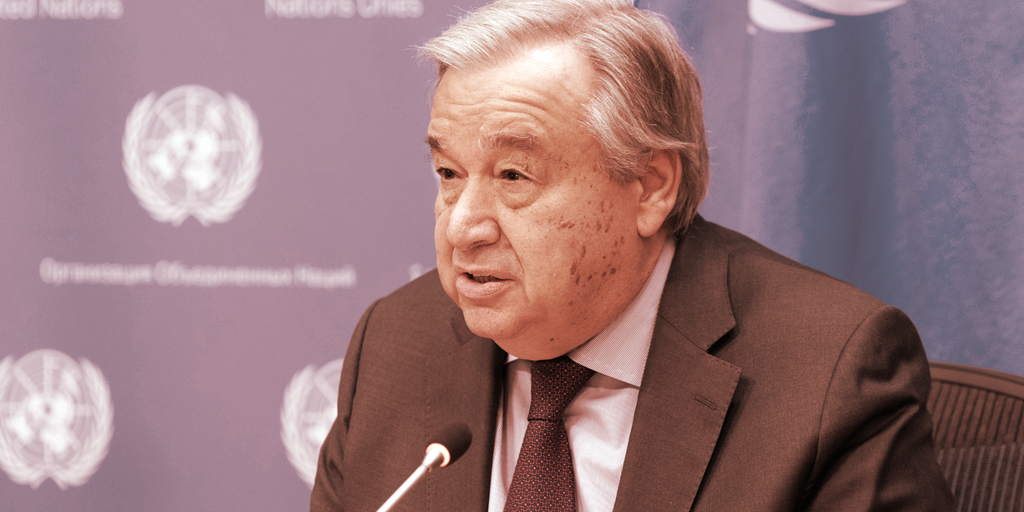
During a recent AI summit, UN Secretary-General António Guterres expressed urgent concerns about the rapid development of artificial intelligence. He highlighted the need for international regulations to manage AI’s impact on society. Guterres also took a strong stance against autonomous weapons, advocating for a global ban on these potentially dangerous technologies.
Why It Matters
The call for regulation is crucial as AI continues to evolve at a breakneck pace. Without proper oversight, there is a risk of misuse that could lead to significant harm, including ethical dilemmas and security threats. Guterres' remarks underscore the importance of establishing frameworks that ensure AI is developed and used responsibly, especially as nations race to harness its potential.
Context
Historically, the advent of transformative technologies has often been met with concerns about their societal implications. The rise of AI is no different, with various stakeholders, from governments to tech companies, debating how best to handle its integration into daily life. Guterres' reference to Silicon Valley memes indicates a cultural shift towards recognizing the seriousness of these discussions, moving beyond the tech industry's usual optimistic outlook.
What It Means
Guterres' call to action could pave the way for international treaties and policies aimed at regulating AI technologies. If adopted, these measures could shape the future landscape of AI development, ensuring that ethical considerations are prioritized. The push for a ban on autonomous weapons reflects a growing awareness of the need to prevent AI from exacerbating conflicts or creating unintended consequences in warfare. As discussions continue, the global community faces the challenge of balancing innovation with ethical responsibility.