What Happened
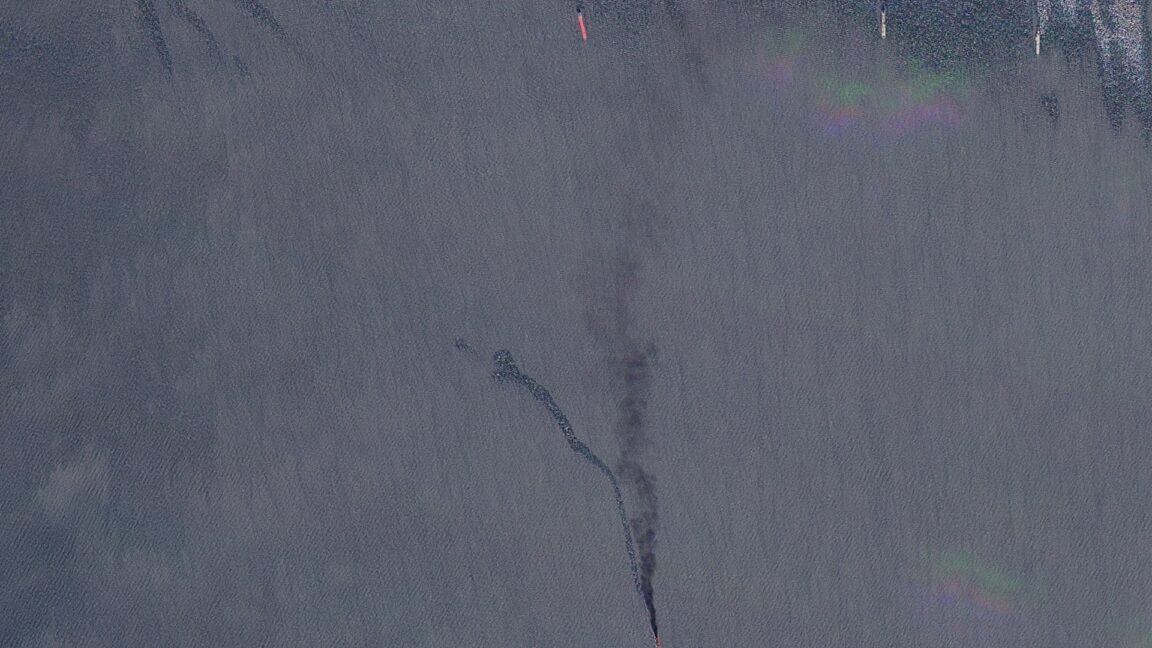
Ukrainian forces have successfully executed a series of drone strikes that have led to the complete shutdown of Russian shipping in the Sea of Azov. Over a span of just one week, from July 6 to July 13, these strikes targeted more than 100 Russian ships, including tankers. The effectiveness of this campaign has prompted Russia to halt all maritime traffic between the Don River and the Sea of Azov, as well as stops at the Kerch Strait, which connects the Sea of Azov to the Black Sea.
Why It Matters
This development has significant implications for the Russian economy and military logistics. By cutting off these shipping routes, Ukraine has not only disrupted fuel deliveries but also further isolated the Russian-occupied Crimean Peninsula. The blockade has exacerbated existing issues in Crimea, where residents have already been facing severe fuel rationing and power outages due to ongoing Ukrainian drone strikes on energy infrastructure. This situation could lead to increased hardship for the local population and complicate Russian military operations in the region.
Context
Historically, the Sea of Azov has been a point of contention, especially since the escalation of conflict between Ukraine and Russia. Despite not possessing a traditional naval fleet to match Russia's, Ukraine has leveraged drone technology to execute effective maritime operations. This approach highlights a shift in modern warfare, where smaller, technologically advanced forces can challenge larger, conventional military powers.
What It Means
The cessation of shipping activities in the Sea of Azov is a clear indicator of how asymmetric warfare can shift the balance in a conflict. Ukraine’s drone strikes not only showcase the effectiveness of unmanned systems in modern combat but also raise questions about Russia's ability to maintain supply lines in the face of such unconventional tactics. As the situation unfolds, the long-term impact on Russia's military capacity and the humanitarian situation in Crimea will be closely monitored.