What Happened
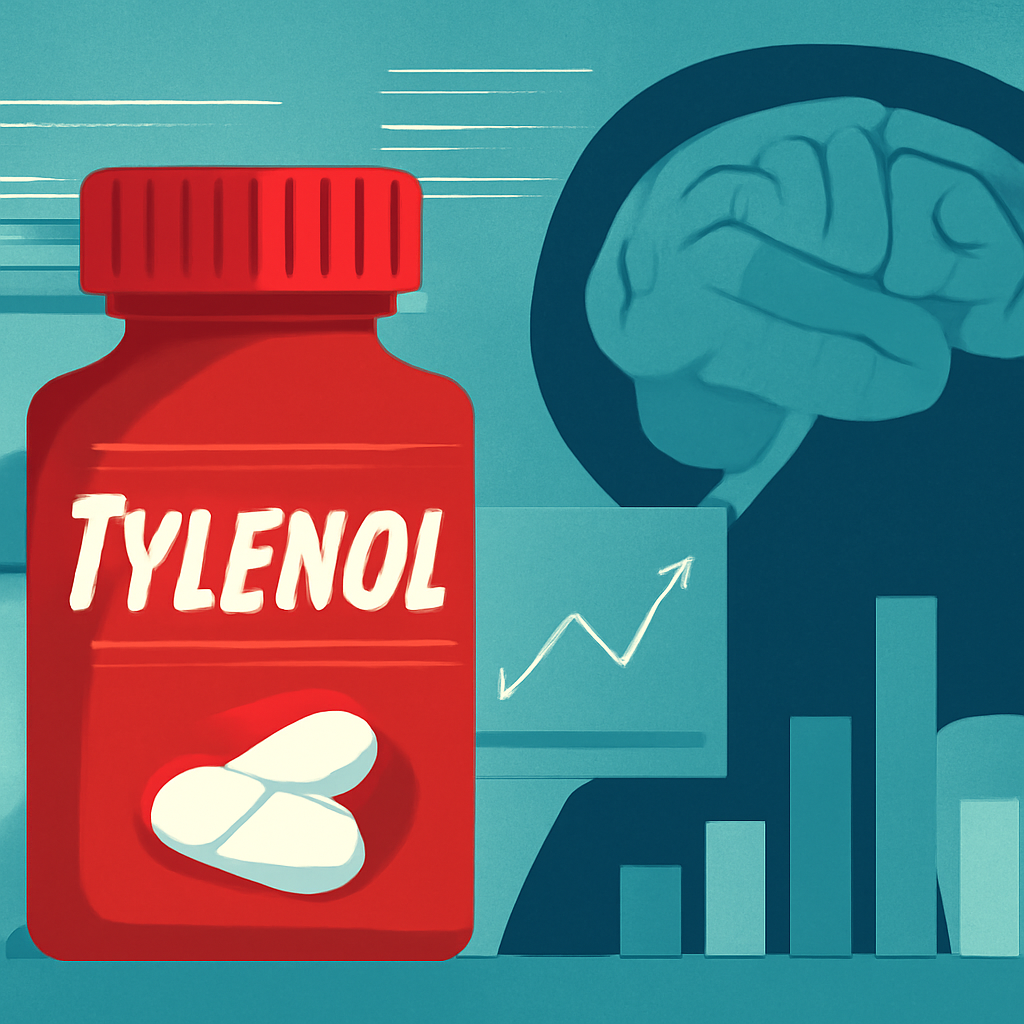
A U.S. federal appeals court has brought back to life several lawsuits against Kenvue Inc., the maker of Tylenol, which allege that the company failed to warn consumers about potential risks associated with using the pain reliever during pregnancy. The claims suggest that exposure to Tylenol while pregnant could be linked to autism and other developmental disorders in children. The court’s ruling allows these cases to proceed, providing plaintiffs another chance to present their expert testimony.
Why It Matters
This decision is significant for Kenvue, as it represents a setback in its legal defense against claims that could lead to substantial financial liabilities. With an estimated thousands of additional claims potentially on the horizon, the company may face considerable settlement costs if the allegations are proven valid in court. The continuation of these lawsuits could also impact public perception of Tylenol and the broader implications for over-the-counter medications used during pregnancy.
Context
The lawsuits stem from a growing body of debate within the medical community regarding the safety of acetaminophen, the active ingredient in Tylenol, during pregnancy. While the lower court previously dismissed around 500 cases, determining the evidence presented was insufficient, the appeals court's ruling indicates that the conversation around these claims is far from over. The renewed interest in these cases reflects broader concerns about drug safety and consumer rights in the pharmaceutical industry.
What It Means
The appeals court's decision does not confirm any causation between Tylenol and autism; rather, it ensures that the legal process can continue, allowing for more scrutiny of the evidence. Kenvue must now prepare for a potentially prolonged legal battle, which could have lasting implications not only for the company but also for the trust consumers place in their products. As the case unfolds, it will be critical for Kenvue to manage its public relations and legal strategies effectively, as the stakes are high for both the company and expectant parents relying on pain relief during pregnancy.