What Happened
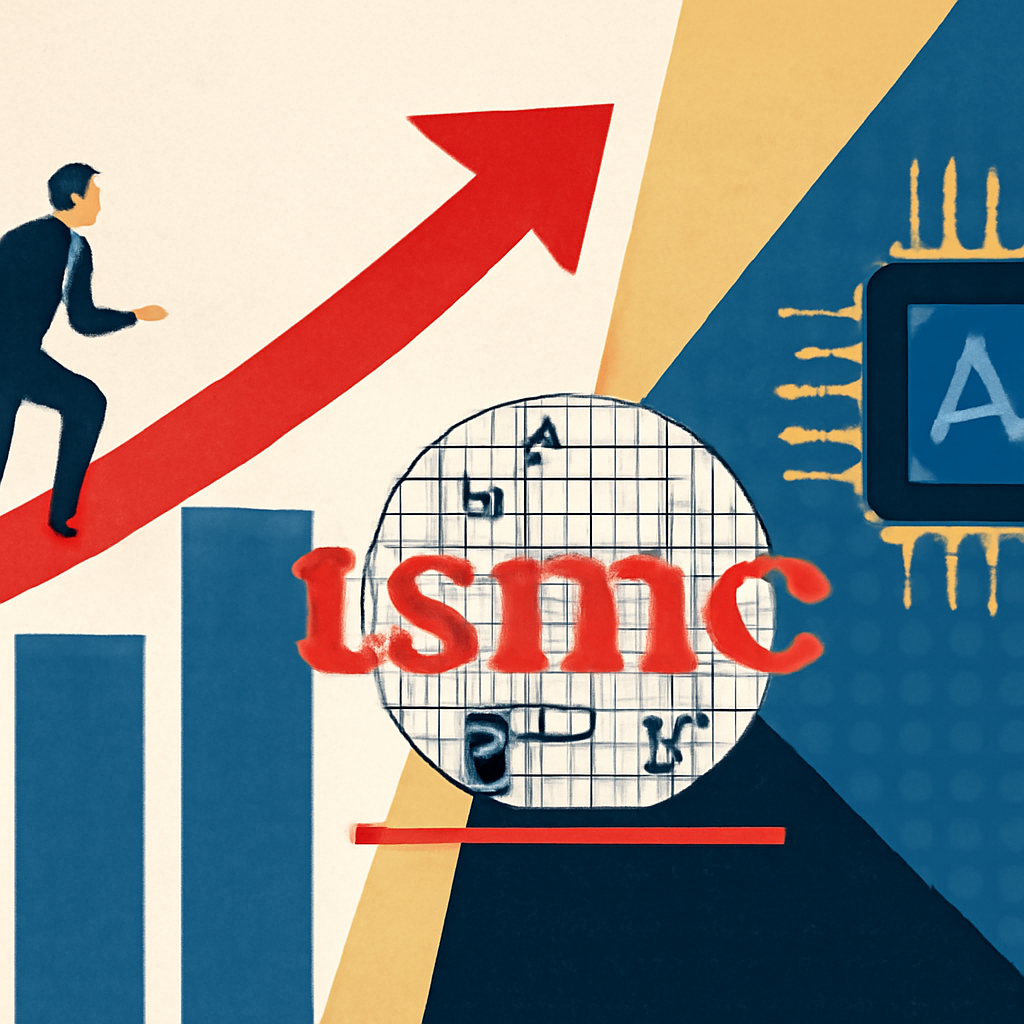
In June, TSMC, the leading contract chipmaker in the world, reported a staggering 67.9% increase in revenue compared to the same month last year. This surge comes just before the company is set to unveil its second-quarter earnings later this week. For the first half of 2026, TSMC's total revenue reached 2.4 trillion new Taiwan dollars (approximately $74.99 billion), marking a 35.6% rise from the same period in 2025. The company also noted that its revenue for June was NT$ 442.68 billion, reflecting a 6.2% increase from May.
Why It Matters
TSMC's remarkable growth is significant not only for the company itself but also for the entire semiconductor industry. As TSMC holds a dominant 73% share of the global pure-foundry market, its performance can be seen as an indicator of the health of the overall chip market. A strong revenue report from TSMC may boost investor confidence and signal a robust demand for semiconductors across various sectors, including consumer electronics, automotive, and telecommunications.
Context
Historically, TSMC has been a bellwether for the semiconductor industry, often reflecting broader market trends. The company's dominance in chip manufacturing has only grown over the years, especially as global demand for chips has surged due to advancements in technologies such as AI, 5G, and electric vehicles. The upcoming earnings report will provide further insights into how TSMC is navigating challenges such as supply chain disruptions and global economic uncertainties.
What It Means
The impressive revenue growth reported by TSMC may suggest a strong recovery in the semiconductor sector following recent downturns. If TSMC continues to perform well, it could attract more investments into the industry, leading to further innovation and expansion. Moreover, this growth could also put pressure on competitors to ramp up their capabilities, potentially reshaping the competitive landscape in the chip manufacturing market. As TSMC prepares to release its second-quarter earnings, all eyes will be on how these figures play out and what they indicate for the future of technology and manufacturing.