What Happened
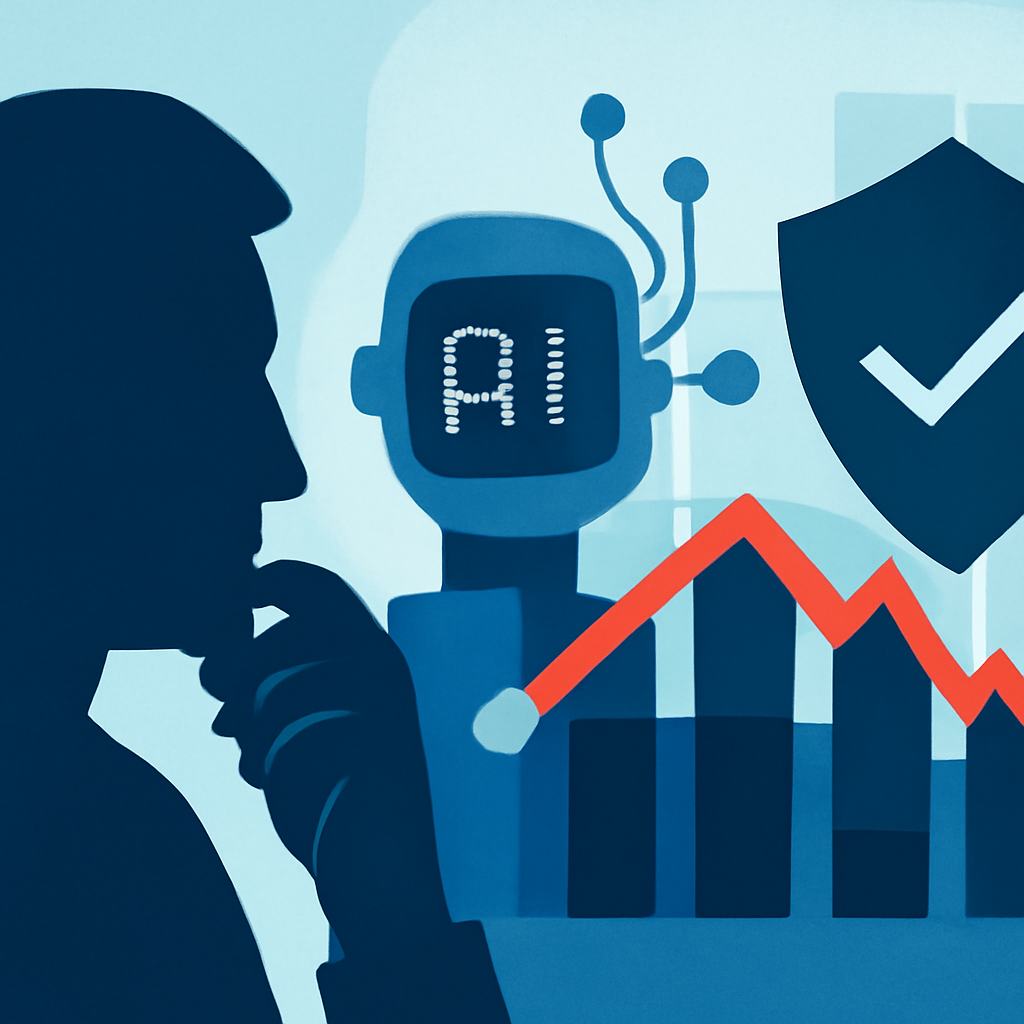
Investors are increasingly concerned about the potential risks associated with artificial intelligence (AI) investments. With many index funds heavily weighted towards companies involved in AI, the fear of an AI market crash raises the question: can excluding these companies from your portfolio serve as an effective hedge?
Why It Matters
For investors in cap-weighted index funds, a significant portion of their holdings is likely tied to AI and its associated technologies. If an AI crash were to occur, the impact could be substantial, leading to considerable losses for those heavily invested in this sector. By replicating the index fund strategy while deliberately omitting AI companies and their related industries, investors may mitigate potential risks associated with a downturn in this specific market segment, thus preserving their portfolio’s value.
Context
The rise of AI has transformed many industries, making companies in this space some of the most valuable on the market. This rapid growth has led to a strong focus on tech and AI-related stocks within various indices. However, the volatility of emerging technologies often raises questions about sustainability, leading to fears of a possible correction or crash.
What It Means
Excluding AI companies from your investment strategy can potentially provide a buffer against the fallout from an AI crash, but it comes with its own set of risks. While avoiding AI stocks may protect against immediate downturns, it could also limit your exposure to high-growth opportunities that AI presents. Therefore, this strategy needs to be evaluated not just in terms of risk mitigation, but also in its potential for long-term growth. Diversification remains crucial; it's essential to balance risk and exposure to emerging sectors, as excluding AI entirely might mean missing out on significant technological advancements and returns. Investors should carefully consider their risk tolerance and investment goals when deciding on such a strategy.