The Gist
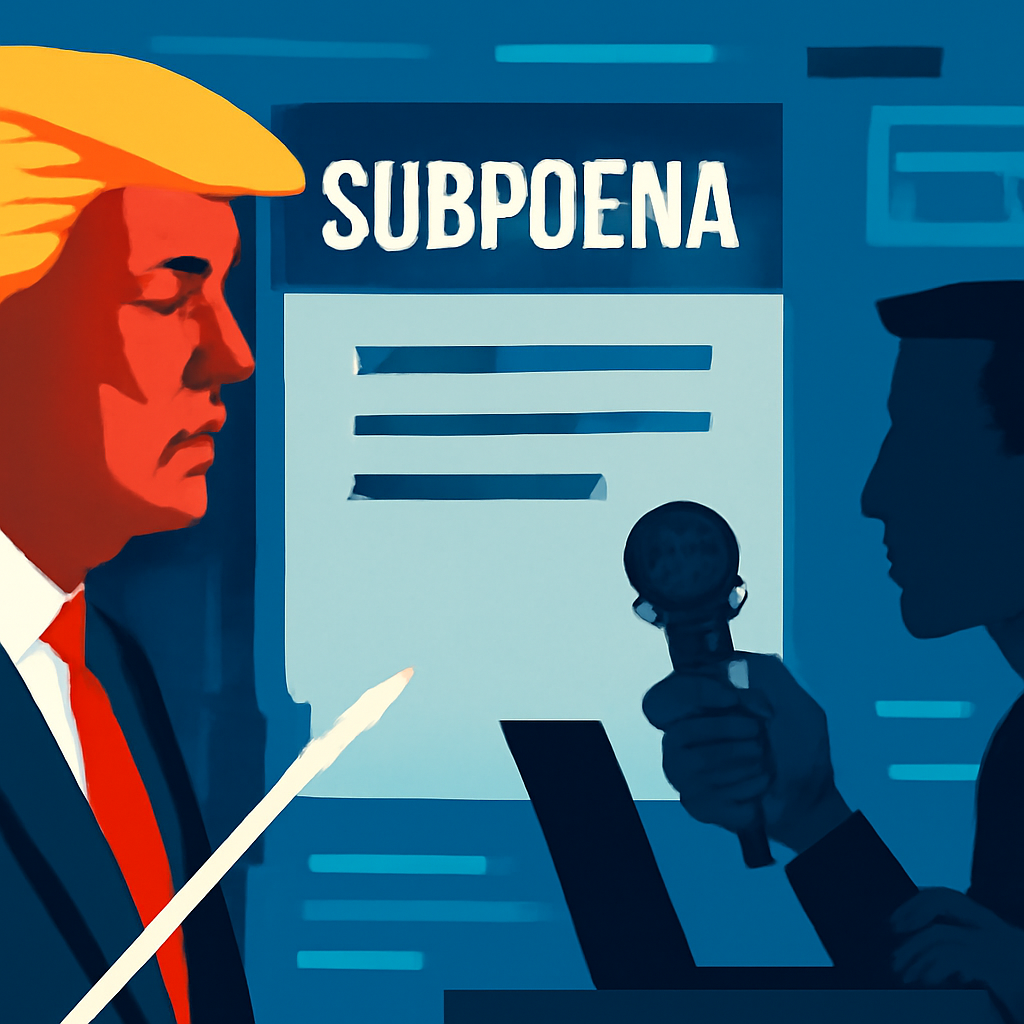
In a shocking escalation against the press, the Trump administration issued subpoenas to five New York Times journalists, aiming to compel them to testify about national security concerns regarding the newly upgraded Air Force One. This move has been widely criticized as an attempt to intimidate independent media and control the narrative.
How It Worked
The subpoenas were orchestrated by U.S. Attorney Jay Clayton, following a lengthy meeting at the White House involving FBI Director Kash Patel. The journalists were targeted for reporting on alleged security deficiencies in the new aircraft, a story that holds significant public interest. Notably, some subpoenas were delivered to the reporters' homes, highlighting the aggressive nature of the administration's tactics. The Times' legal team plans to challenge the subpoenas, arguing that they represent a misuse of prosecutorial power.
Results
The media community has reacted strongly, with organizations like the National Press Club condemning the subpoenas as an assault on the First Amendment. This incident marks a troubling trend, as President Trump has previously initiated multiple lawsuits against media outlets and used federal power to retaliate against unfavorable coverage. The chilling effect on journalism is palpable, with fears that such actions could deter reporters from pursuing critical stories.
Why It Matters for You
This case serves as a crucial reminder of the importance of press freedom in a democratic society. As business professionals and entrepreneurs, it is vital to recognize the role of independent media in holding power accountable. Consider how you can support transparency and advocate for ethical practices in your industry, ensuring that voices are heard and stories are told without fear of retaliation.