The Gist
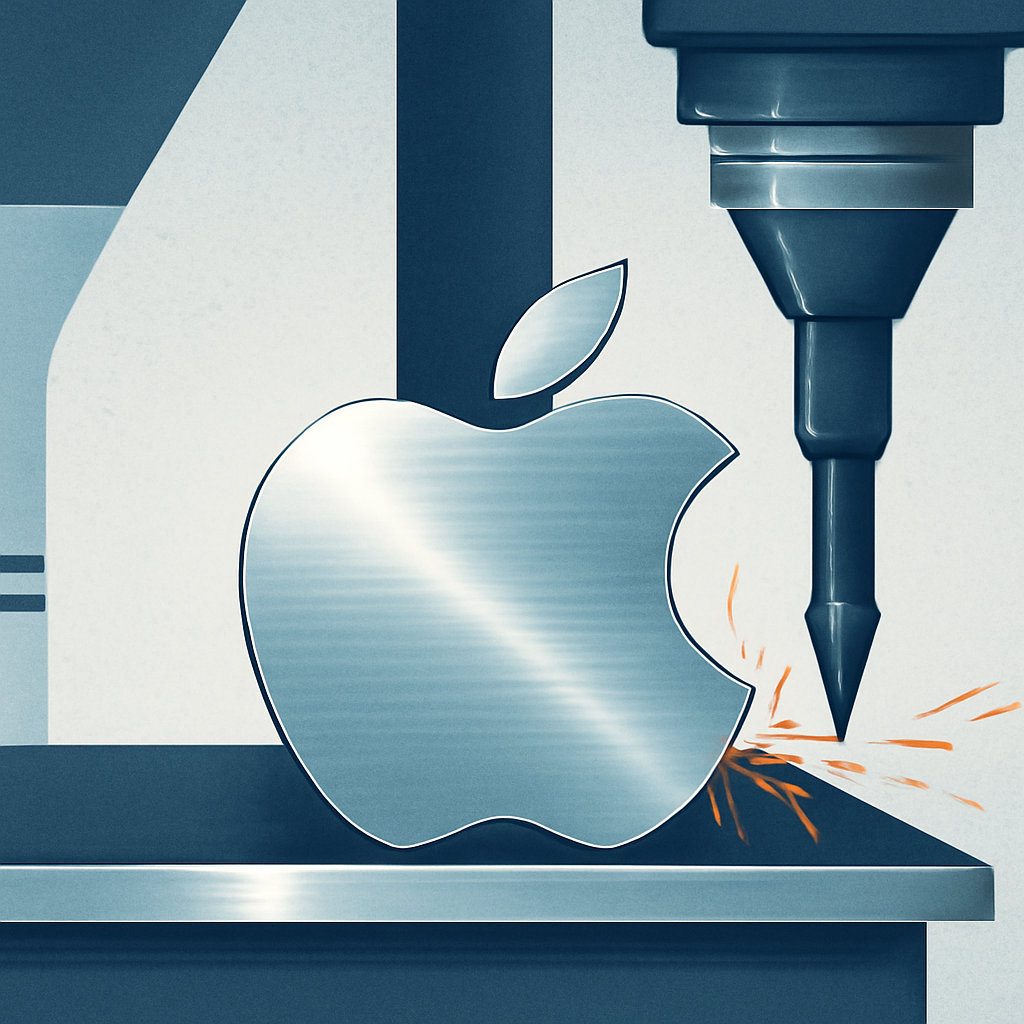
Apple has filed a lawsuit against OpenAI, accusing it of stealing trade secrets related to its proprietary metal-finishing techniques. The case centers on how these techniques are essential to Apple’s brand identity and competitive edge in the hardware market.
How It Worked
Apple claims that OpenAI approached one of its manufacturing partners, using confidential information to gain unauthorized access to Apple's metal-finishing methods. The lawsuit alleges that former Apple employees at OpenAI misled the partner into believing they had Apple's permission to use these techniques. Apple has invested heavily in developing proprietary machinery and processes to achieve its distinctive product finishes, setting it apart from competitors who rely on off-the-shelf components.
Results
Apple's investment in R&D for these metal finishes has amounted to hundreds of billions of dollars over decades. The lawsuit asserts that if OpenAI successfully uses these trade secrets, it could significantly reduce the time and cost associated with developing similar products. This could allow OpenAI to enter the hardware space faster and potentially harm Apple's market position.
Why It Matters for You
Understanding the importance of proprietary techniques and trade secrets is crucial for any business. Protect your innovations by implementing non-disclosure agreements, securing sensitive information, and being vigilant about employee transitions. In a competitive landscape, maintaining the integrity of your intellectual property can be the difference between market leadership and vulnerability.