The Gist
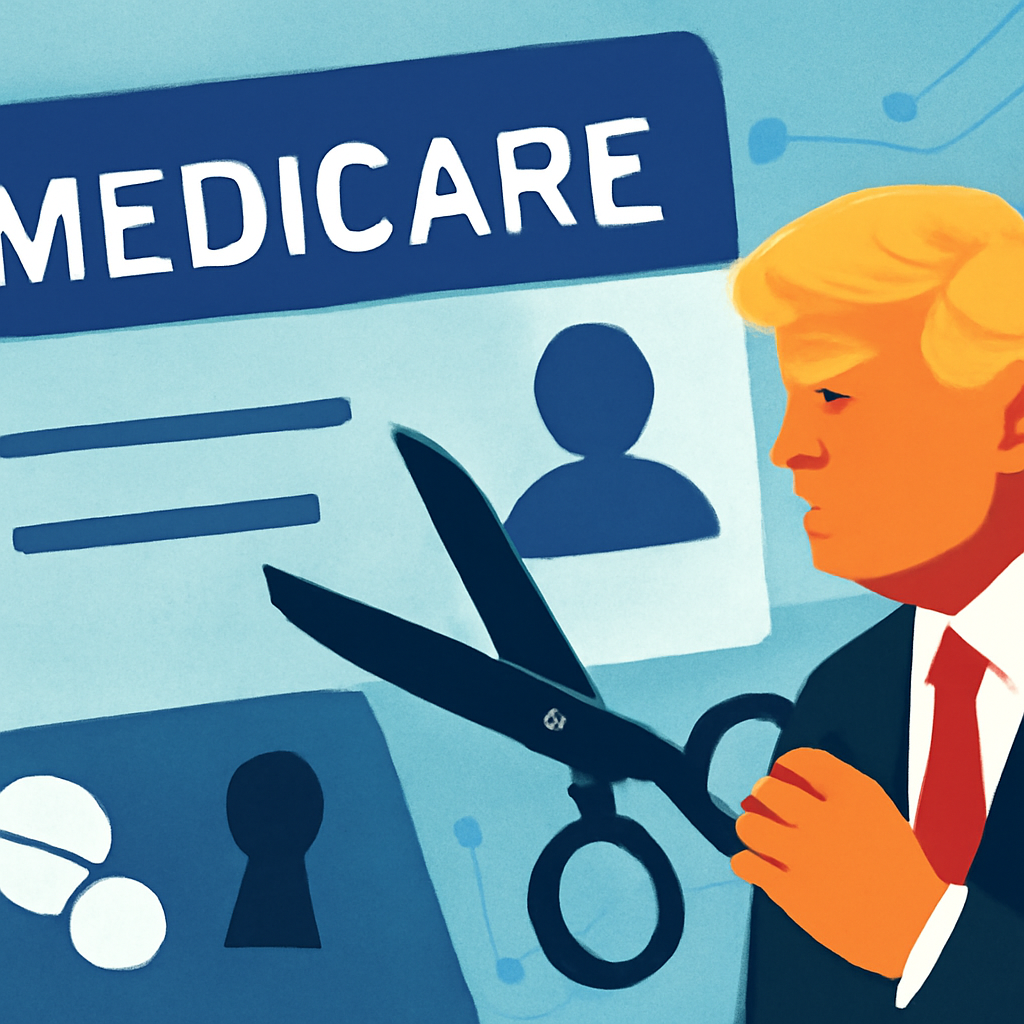
The Trump administration has proposed a rule aimed at reducing drug costs for Medicare patients, potentially saving them $1.1 billion next year. This rule targets hospitals participating in the 340B program, which allows them to purchase outpatient drugs at discounted rates but often results in hospitals billing insurers at much higher prices.
How It Worked
The proposed rule modifies the reimbursement formula for hospitals under the 340B program. By cutting the reimbursement rate by about 40% for the drugs acquired at discounted prices, hospitals would receive less from Medicare, directly impacting the profits they make on these drugs. This move is designed to ensure that savings are passed on to patients, particularly those with Medicare Part B coverage. The administration estimates that this could save an average older adult around $800 annually in co-payments.
Results
If the rule is implemented, the anticipated savings for Medicare beneficiaries could reach $1.1 billion in the first year and potentially total $20 billion over the next decade. For example, the prostate cancer drug Lupron Depot costs hospitals approximately $700, yet they have been able to bill Medicare around $4,000, plus additional co-payments from patients. This proposed rule aims to significantly reduce those inflated reimbursement rates.
Why It Matters для тебя
This case highlights a significant shift in healthcare policy that could directly impact your finances if you or your loved ones rely on Medicare. Understanding these changes can help you plan for potential cost savings or prepare for any implications if hospitals push back against the new rules. Staying informed can empower you to navigate the complexities of medical expenses more effectively.