The Gist
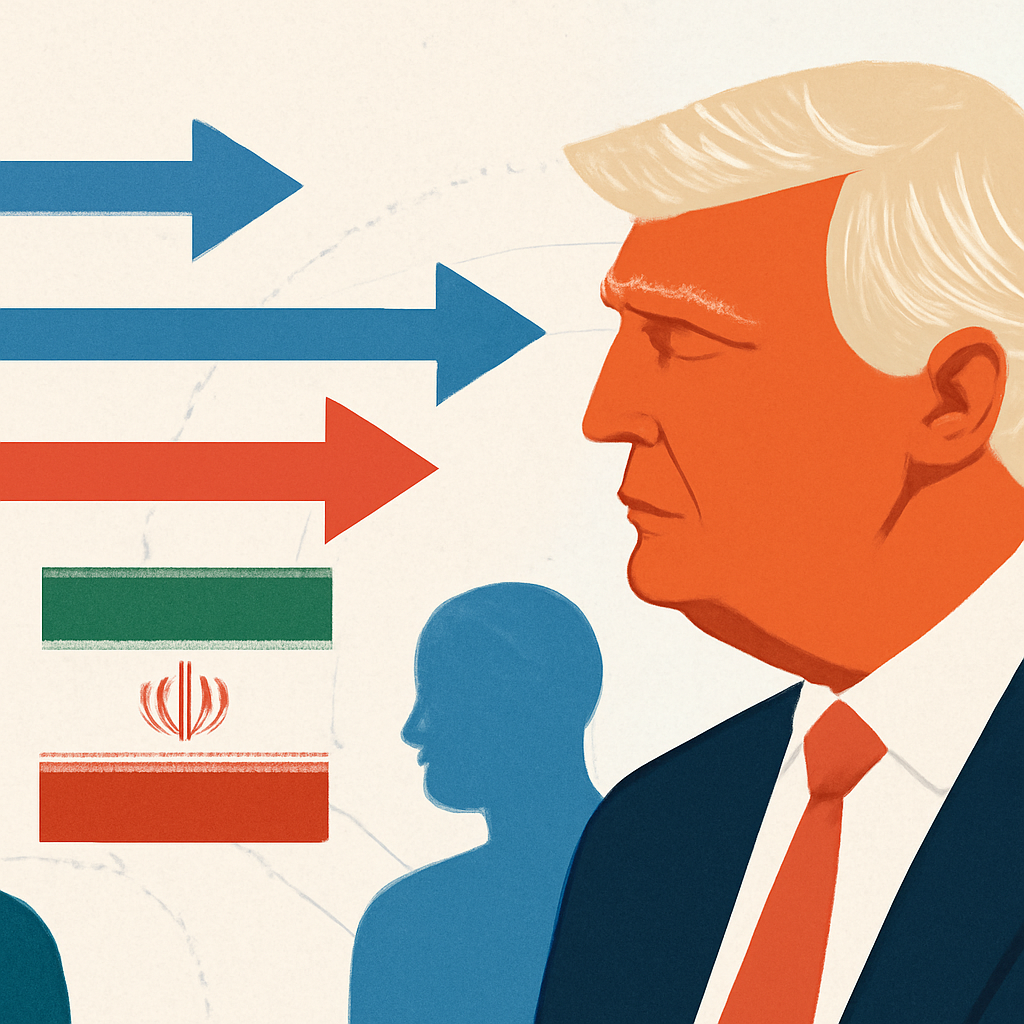
President Trump’s contradictory messaging on the Iran ceasefire has created confusion and concern among mediators trying to maintain peace. While he warns of new military action, he also claims he’s not interested in a prolonged conflict.
How It Worked
Trump's approach involves a blend of threats and diplomatic overtures. He has recently declared that he believes the ceasefire is over, suggesting a shift in strategy to apply pressure on Tehran. In tandem, U.S. military actions aimed at degrading Iran's capabilities in the Strait of Hormuz are being executed. Mediators from nations like Pakistan and Qatar are working around the clock to salvage the fragile ceasefire, despite rising mutual mistrust between the parties.
Results
As a result of the mixed messaging, tensions have escalated, leaving the future of the ceasefire uncertain. Trump's warnings of impending strikes have not only raised the stakes in diplomatic negotiations but have also sparked fears of higher gas prices in the U.S., a crucial issue ahead of the midterm elections. Oil prices have already begun to fluctuate as the market reacts to the renewed conflict threats.
Why It Matters for You
For business leaders and marketers, understanding the impact of political messaging on market dynamics is crucial. The situation exemplifies how mixed signals can lead to uncertainty in markets, influencing everything from oil prices to consumer behavior. Keeping abreast of geopolitical developments can provide strategic insights into potential market shifts that affect your business operations.