Essence
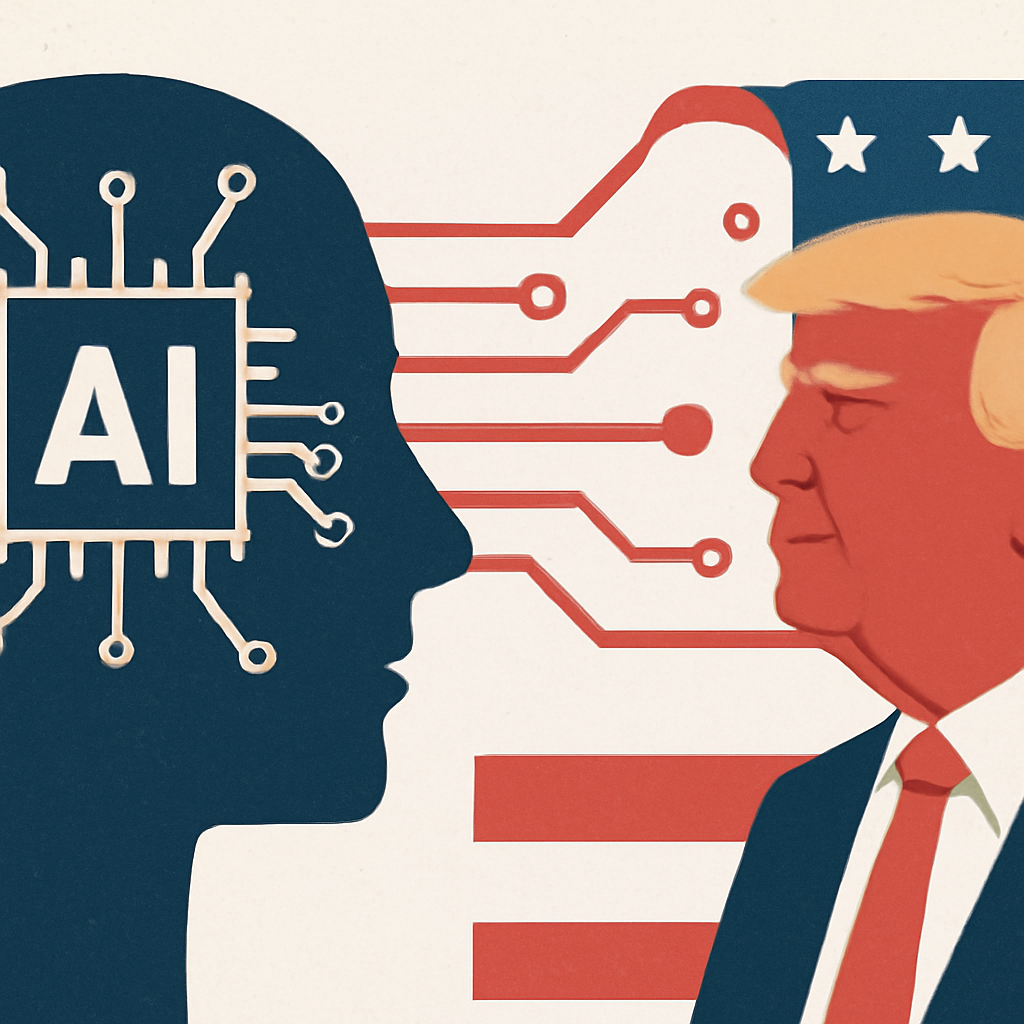
The Trump administration's abrupt reversal on AI export restrictions for Anthropic's models has had significant implications. While the models were initially pulled from the market due to security concerns, the swift reinstatement has inadvertently benefitted Chinese AI companies amid a growing competition in the field.
How it Worked
The U.S. Commerce Department worked with Anthropic for two weeks to create a refined set of misuse protections, leading to the reactivation of the Fable 5 model for all customers and Mythos 5 for select enterprise clients. This regulatory intervention came after concerns that foreign actors could misuse these advanced models to exploit vulnerabilities in U.S. systems. However, during this pause, Chinese companies like Z.ai capitalized on the opportunity by offering open-weight models that were immediately available to enterprises, thus gaining traction in Silicon Valley.
Result
As a result of the U.S. restrictions, Z.ai's GLM-5.2 model quickly rose in popularity, attracting users who valued its lower cost and immediate availability. This shift in market dynamics illustrates that while U.S. AI companies have invested hundreds of billions into frontier models, their high costs need to be justified by demonstrable superiority and consistent availability. The ongoing uncertainty in U.S. AI policy may threaten the viability of traditional, closed AI models.
Why This Matters for You
For businesses, the emergence of viable alternatives from Chinese AI providers highlights the importance of flexibility and readiness to adapt to rapid changes in the market. Companies should consider diversifying their AI strategies and explore various models to mitigate risks associated with regulatory shifts and ensure they are not overly reliant on a single source. By staying informed and agile, businesses can better navigate the evolving landscape of AI technology.