What Happened
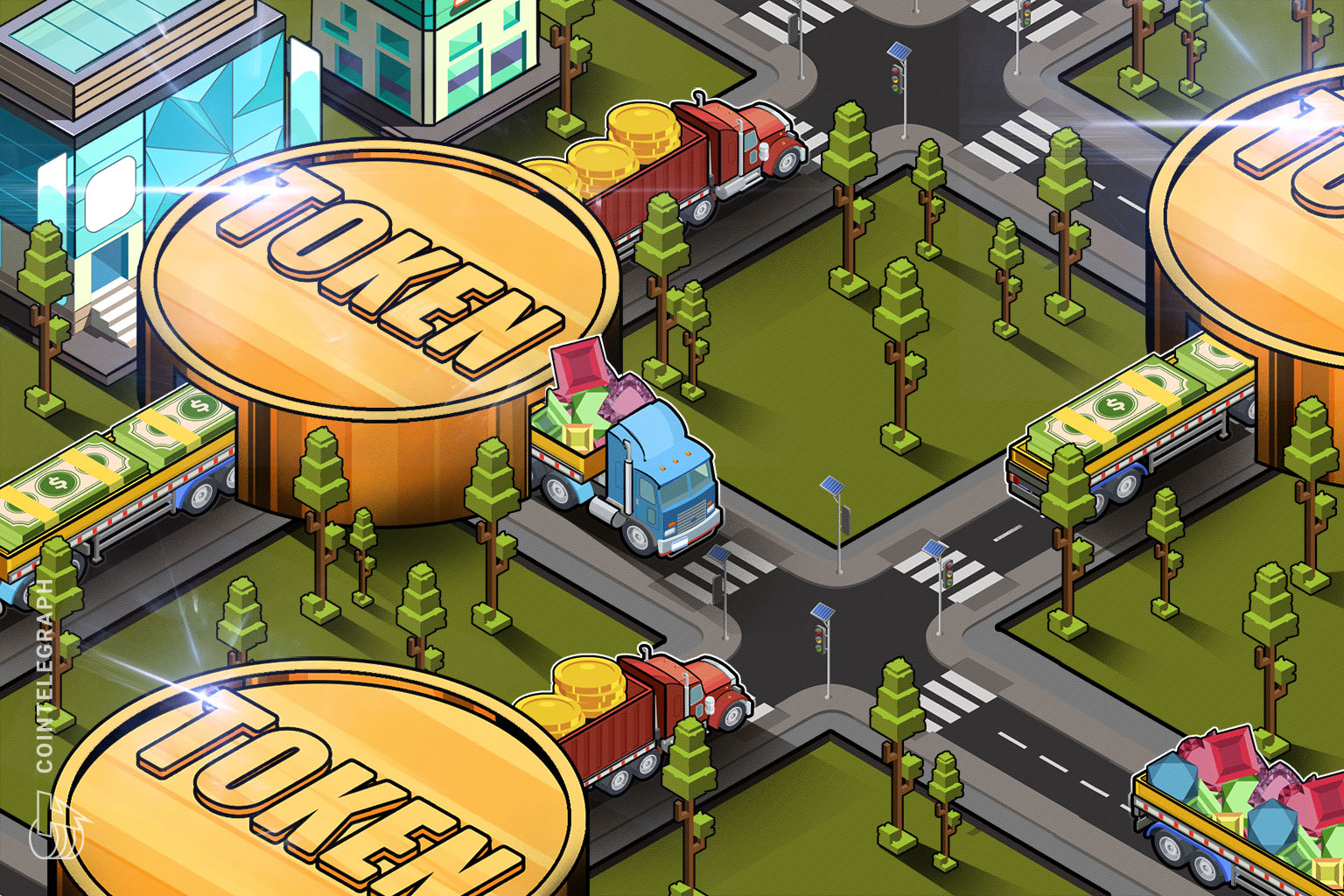
Tokenization is taking the financial world by storm, with five categories of real-world assets leading the charge. These include treasuries, real estate, stocks, commodities, and private credit. Although the concept is still in its infancy compared to traditional finance, the momentum is undeniable, and growth is accelerating.
Why It Matters
The tokenization of assets has the potential to revolutionize how we think about ownership and trading. By converting tangible assets into digital tokens on a blockchain, these assets can be traded 24/7, fractionalized, and made accessible to a broader audience. This could democratize investment opportunities, allowing more people to participate in markets that were once exclusive.
Context
Historically, the financial sector has been slow to adopt new technologies, but the rise of blockchain has prompted a shift. Tokenization leverages smart contracts and decentralized ledgers to streamline transactions, reduce costs, and enhance transparency. The ongoing developments in this space signal a significant transformation in how assets are managed and traded globally.
What It Means
As tokenization gains traction, traditional financial institutions may need to adapt or risk becoming obsolete. Investors are likely to see more opportunities in previously inaccessible markets, and new regulatory frameworks may emerge to address the changing landscape. The rapid growth of tokenized assets hints at a future where finance is more inclusive, efficient, and transparent, paving the way for innovation in investment strategies.