The Gist
The National Oceanic and Atmospheric Administration (NOAA) predicts that the current El Niño event could be one of the strongest ever recorded, intensifying through 2026 and early 2027, with an 81% chance of significant impact this winter.
How It Worked
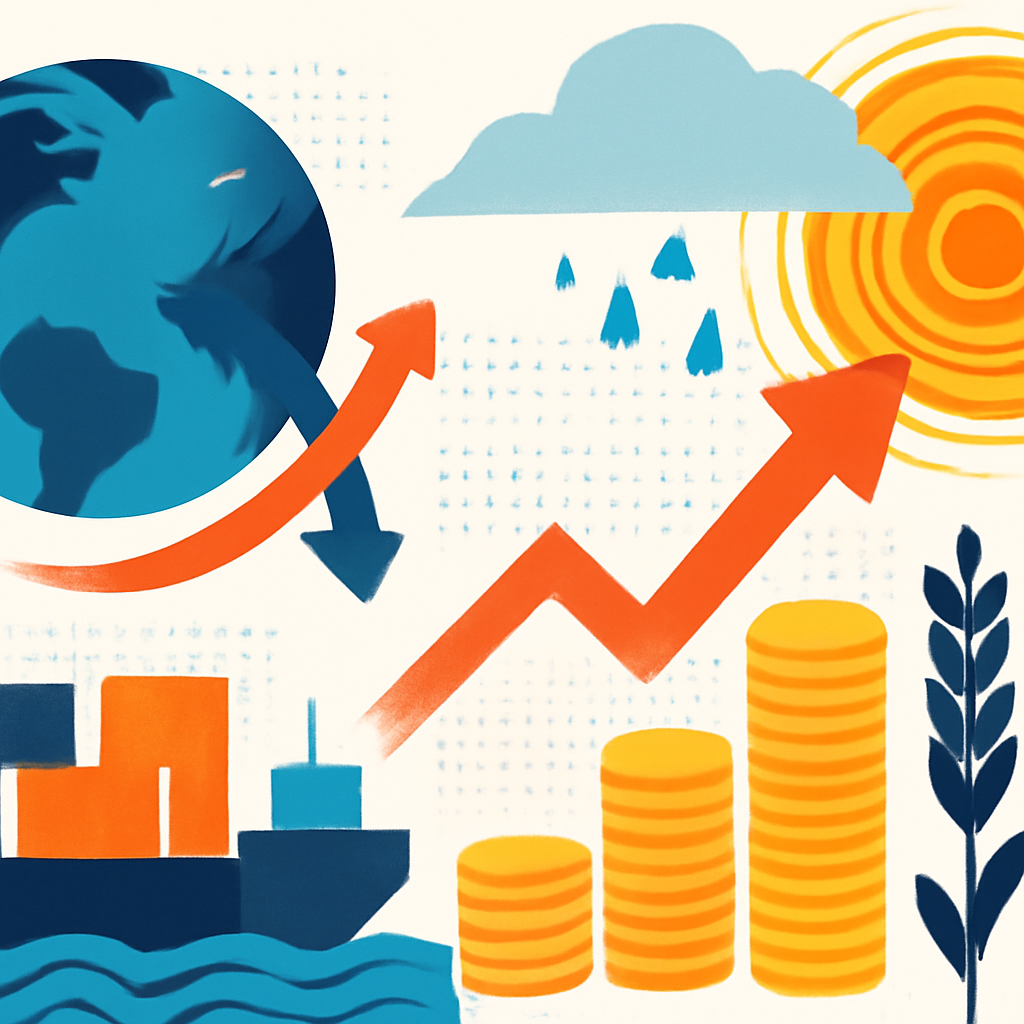
Forecasters analyzed ocean temperature patterns and wind shifts to conclude that the El Niño phenomenon is strengthening. This warming of the Pacific Ocean can drastically alter weather patterns globally, leading to both beneficial and detrimental outcomes. For example, while some regions might experience reduced hurricane activity, others face increased storm severity and precipitation. Businesses need to prepare for these shifts by assessing supply chain vulnerabilities and adjusting operational strategies.
Results
Historically, significant El Niño events like the one in 1997-1998 have resulted in economic losses totaling around $5.7 trillion. The current forecast's potential for similar losses means that industries reliant on stable weather conditions—like agriculture, energy, and trade—must brace for volatility.
Why It Matters for You
Understanding the implications of El Niño can help businesses and individuals prepare for potential disruptions. Consider developing contingency plans for supply chains, adjusting agricultural practices, and staying informed about weather forecasts to mitigate risks associated with this climatic event.