What Happened
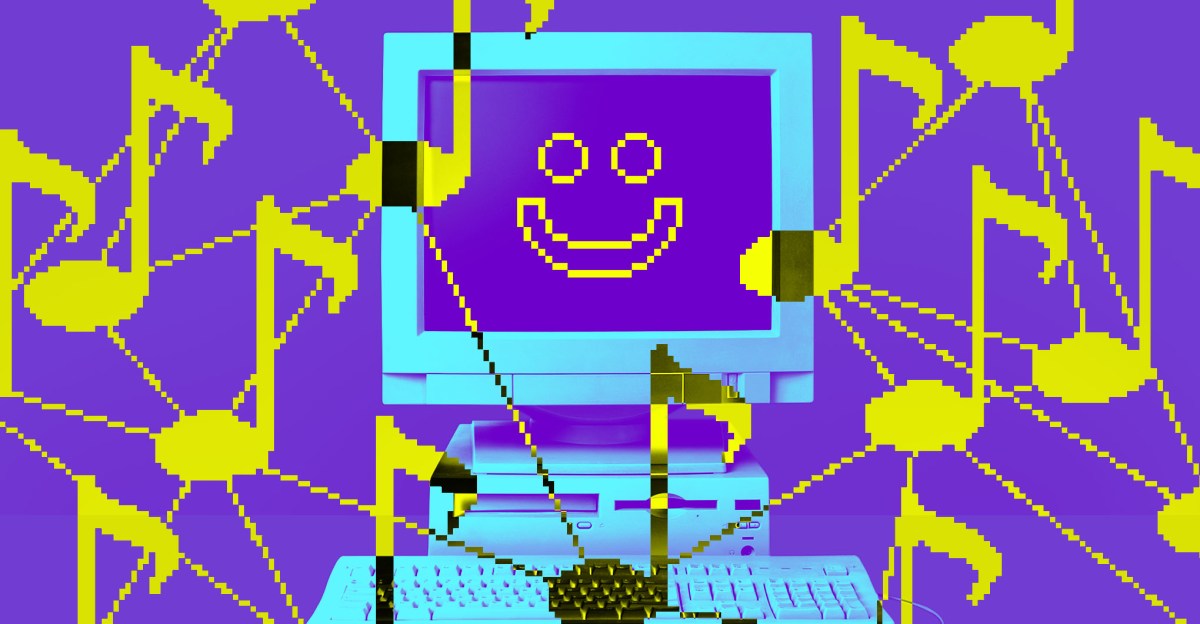
Suno, an AI music generator, has faced scrutiny after a data breach revealed that it trained its models by scraping millions of songs and lyrics from popular platforms like YouTube Music, Deezer, and Genius. This incident raises significant questions about the legality and ethics of its data acquisition methods. The company has often kept details about its training datasets under wraps, making this revelation particularly striking.
Why It Matters
The implications of this breach are significant, especially considering the ongoing legal battles Suno is entangled in. Many artists and organizations, including the Recording Industry Association of America (RIAA), have accused Suno of using copyrighted materials without permission to train its AI models. If the allegations hold true, it could set a dangerous precedent for how AI companies utilize online content, potentially leading to stricter regulations and increased litigation in the tech industry.
Context
The rise of AI-generated music has sparked intense debate about copyright laws and fair use. Historically, the boundaries of fair use have been contested, particularly as technology evolves. The music industry is in a constant struggle to protect its intellectual property while also adapting to new technologies that exploit digital content. This incident with Suno sheds light on the broader challenges faced by creators in the digital age.
What It Means
The exposure of Suno's data practices suggests that many AI technologies might be operating in legally gray areas. As the lines between fair use and theft become increasingly blurred, companies might need to rethink their data sourcing strategies. The outcome of Suno's legal challenges could influence future AI developments, potentially leading to more transparent practices and a re-evaluation of how AI models are trained. This scenario emphasizes the importance of accountability and respect for intellectual property in the rapidly advancing world of AI.