What Happened
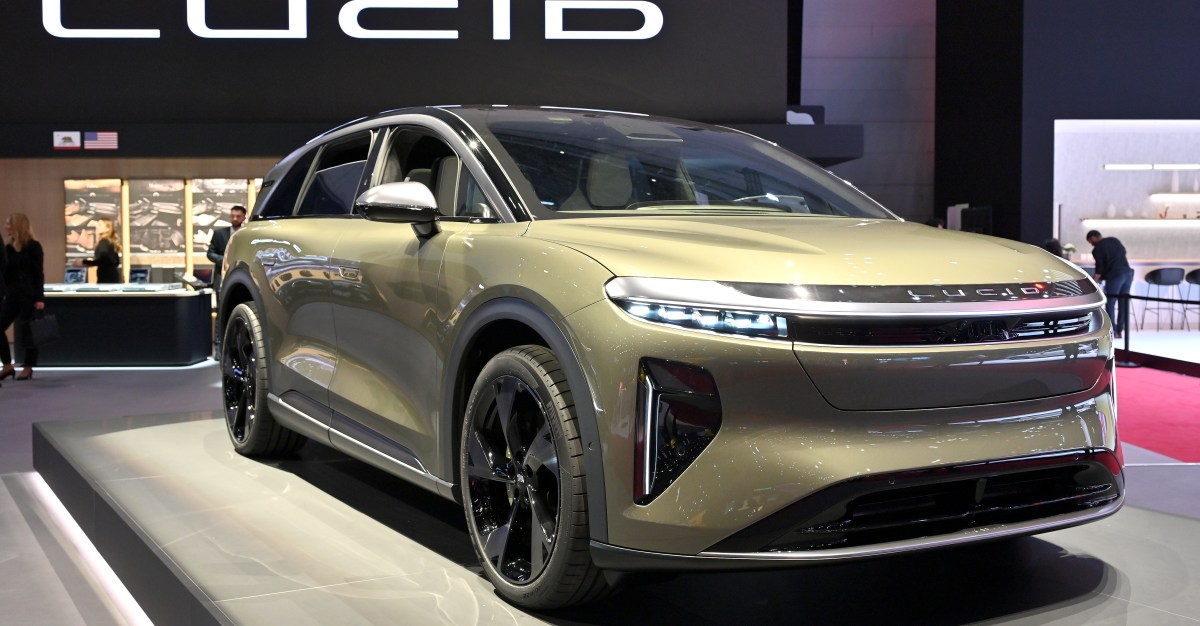
This week, Lucid Motors faced serious bankruptcy rumors that sent its stock plummeting. The company swiftly countered these claims, labeling them as 'completely false' and highlighting its available free cash flow to assure stakeholders of its financial health. Despite their quick denial, the anxiety in the market was palpable, affecting not just Lucid but also its competitors.
Why It Matters
The fallout from Lucid's situation is significant for the entire electric vehicle (EV) market. Investors reacted by selling off shares of other EV manufacturers such as Rivian and Polestar, reflecting a wider concern about the viability of companies focused solely on electric vehicles. This market behavior underscores a growing fear about the sustainability of EV businesses amid fluctuating consumer demand and unpredictable regulatory environments.
Context
Lucid Motors has been a key player in the luxury electric vehicle segment, but the company has struggled to achieve production targets and profitability. The rumors surrounding its financial stability are not just isolated incidents; they represent a larger trend affecting the EV industry, which has been under pressure due to rising costs, supply chain issues, and evolving government policies regarding electric vehicles. The current economic climate is further complicating matters, as consumers are becoming increasingly cautious with their spending.
What It Means
The situation with Lucid serves as a cautionary tale for the EV sector. It highlights the vulnerabilities of startups and established players alike in a rapidly changing market. As investors question the long-term prospects of EV companies, it becomes clear that those reliant solely on electric vehicle sales might need to adapt their business models to survive. The incident could lead to increased scrutiny of funding practices and market strategies across the entire industry, prompting a reevaluation of how to effectively compete in the evolving automotive landscape.