Sуть
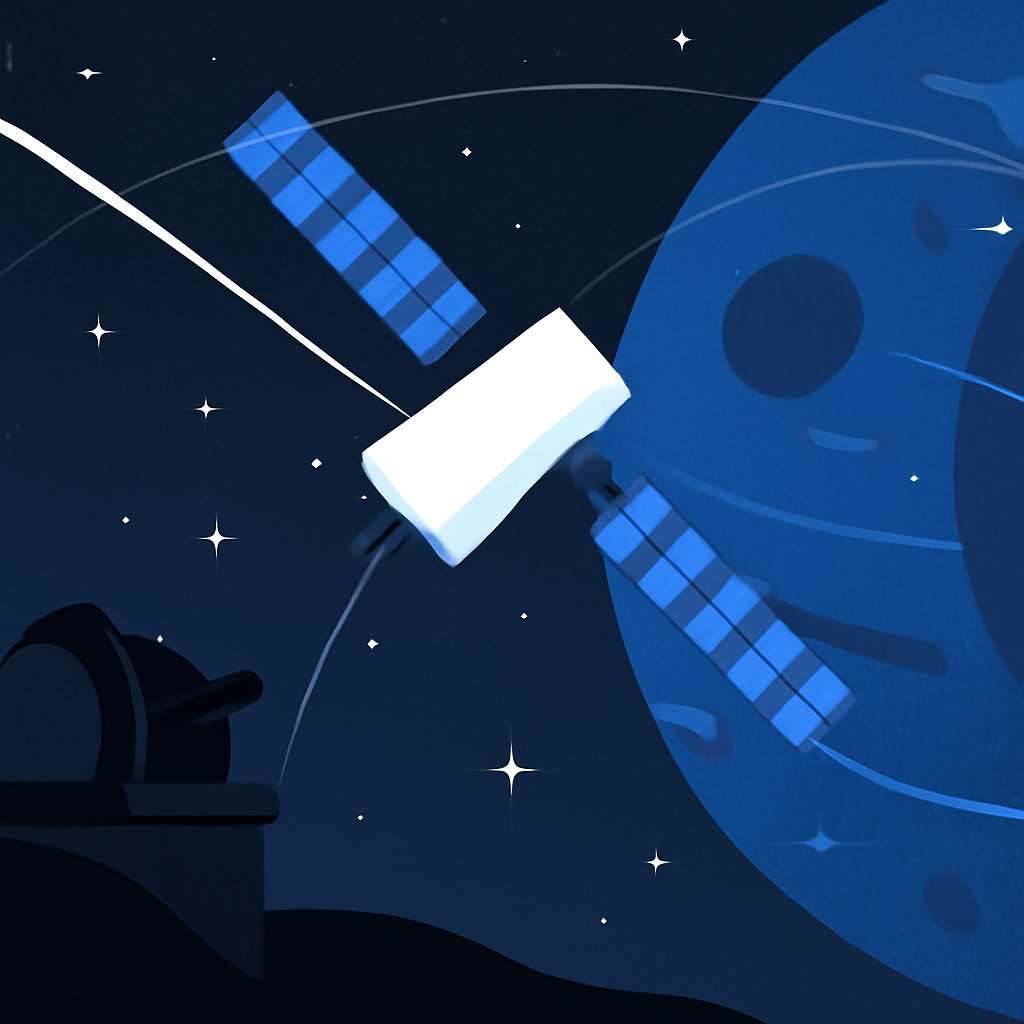
Elon Musk's Starlink initiative has launched thousands of satellites into low Earth orbit, creating a dense 'megaconstellation' that threatens astronomical observations from Earth. The European Southern Observatory (ESO) warns that this could significantly compromise the functionality of major telescopes due to increased light pollution.
Как это работало
Starlink commenced its satellite launches in 2019, and by last month, approximately 10,400 Starlink satellites were in orbit. The ESO conducted simulations to analyze how these satellites affect the visibility of their telescopes, particularly the Very Large Telescope (VLT) in Chile. They suggest limiting the number of satellites visible to the naked eye to 100,000 to mitigate light interference.
Результат
Simulations indicate that the VLT's field of view could decrease by 28% under optimal conditions. If satellites become brighter, facilities like the Vera C. Rubin Observatory may find it nearly impossible to conduct observations for hours each night. This disruption stems from satellites reflecting sunlight and creating bright streaks on images, obscuring distant celestial bodies.
Why It Matters для тебя
For entrepreneurs and innovators in tech or space-related fields, this case highlights the importance of considering the broader impacts of technology on existing systems. As you develop new products, think about sustainability and the potential implications for current industries. Balancing innovation with environmental considerations will be crucial for long-term success.