What Happened
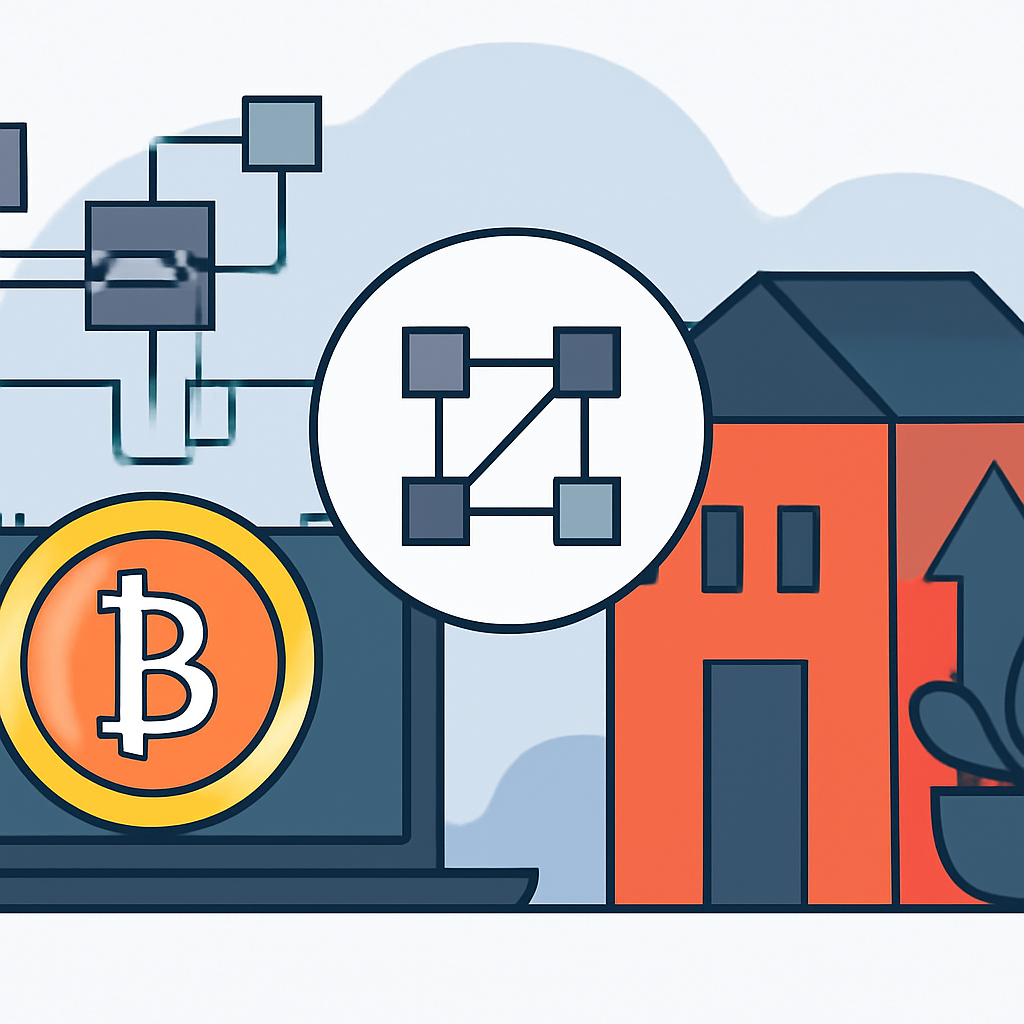
South Korea's Economy Ministry has announced plans to incorporate digital assets and intellectual property into the country's new state asset management framework. This move marks a pivotal step towards the formal recognition and regulation of digital currencies and assets within the national financial ecosystem.
Why It Matters
Integrating digital assets into a state-managed system could provide much-needed clarity and security for investors and businesses dealing with cryptocurrencies and other digital goods. This initiative aims to enhance the legitimacy of digital assets, potentially attracting more institutional investment and fostering innovation in the sector. For consumers, it could mean improved protections and a more stable market environment.
Context
Digital assets, including cryptocurrencies, have gained significant traction globally, with many countries creating regulatory frameworks to address their rise. South Korea has been a notable player in the cryptocurrency market, with a large number of cryptocurrency exchanges and enthusiastic adoption among its population. However, the lack of a cohesive regulatory approach has led to volatility and uncertainty in the market.
What It Means
The inclusion of digital assets in South Korea's state asset management framework suggests a future where these assets are treated with the same level of oversight as traditional financial products. This could lead to the development of more robust regulations, which may further stabilize the market and encourage responsible innovation. As the government seeks to navigate the challenges posed by digital assets, stakeholders in the industry should prepare for a new era of oversight and potential opportunities for growth.