What Happened
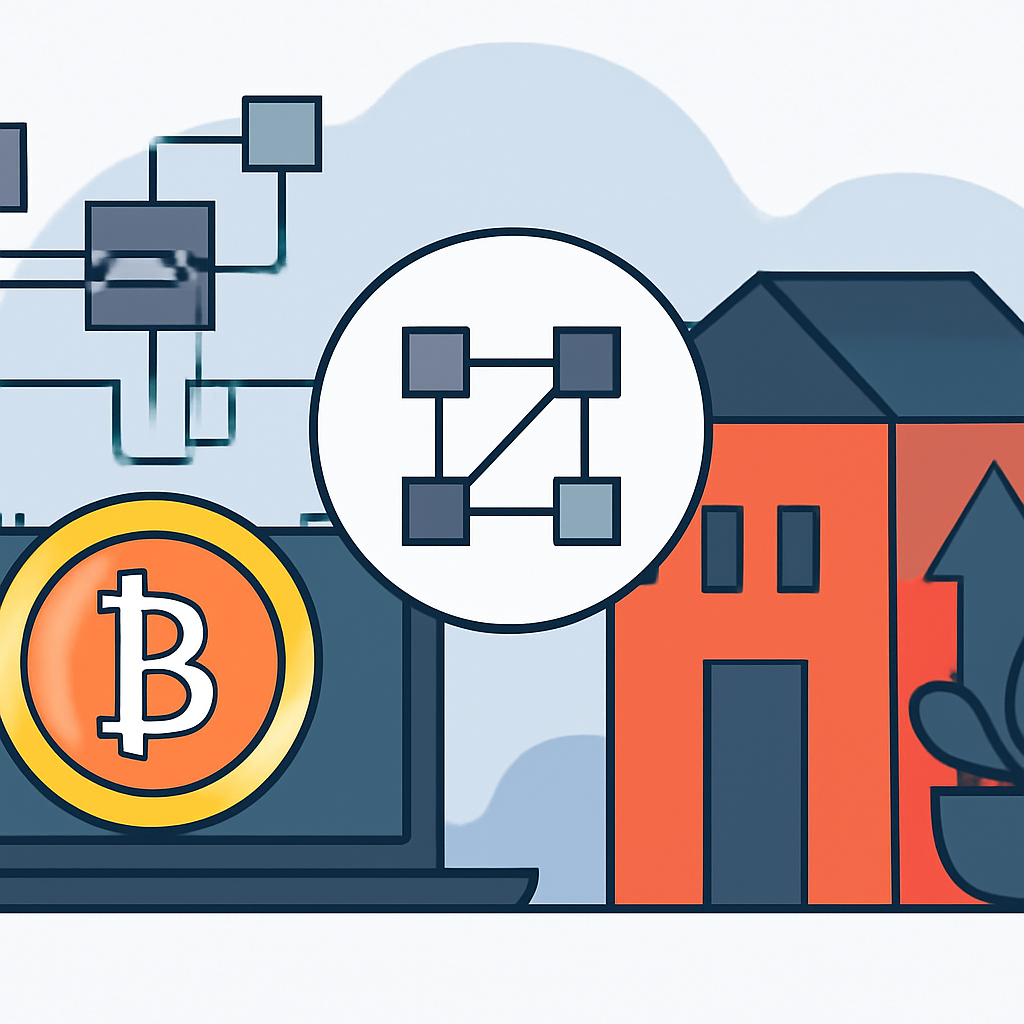
A new initiative called GeoProof has emerged, aiming to tackle the challenge of verifying real-world events using blockchain technology. While blockchains excel at confirming digital transactions, they struggle with physical realities such as verifying location visits and delivery completions. This open protocol proposes a solution by employing multi-signal verification methods to create cryptographically secure attestations for real-world activities.
Why It Matters
Trust in physical interactions is crucial for various sectors, including logistics, insurance, and even governance. By providing a robust verification layer that can integrate with any blockchain, GeoProof could enhance transparency and accountability in transactions that occur outside the digital realm. This could potentially lead to a more trustworthy ecosystem where users can rely on verified data about real-world events.
Context
Historically, verifying physical events has required centralized systems that could often be manipulated or compromised. Traditional methods like GPS tracking have proven insufficient on their own, as they can be spoofed or misused. GeoProof aims to fill this gap by creating a decentralized solution that does not rely on any single entity, thereby enhancing trust through a community-driven approach.
What It Means
The introduction of GeoProof could signify a pivotal shift in how we perceive verification in the physical world. If successful, this protocol could lay the groundwork for a new layer of trust that complements existing blockchain infrastructures. This would not only expand the utility of blockchain technology but also address a significant pain point for industries that depend on accurate real-world data verification. As feedback is sought on the viability of this approach, the potential for a more interconnected and reliable verification system is on the horizon.