What Happened
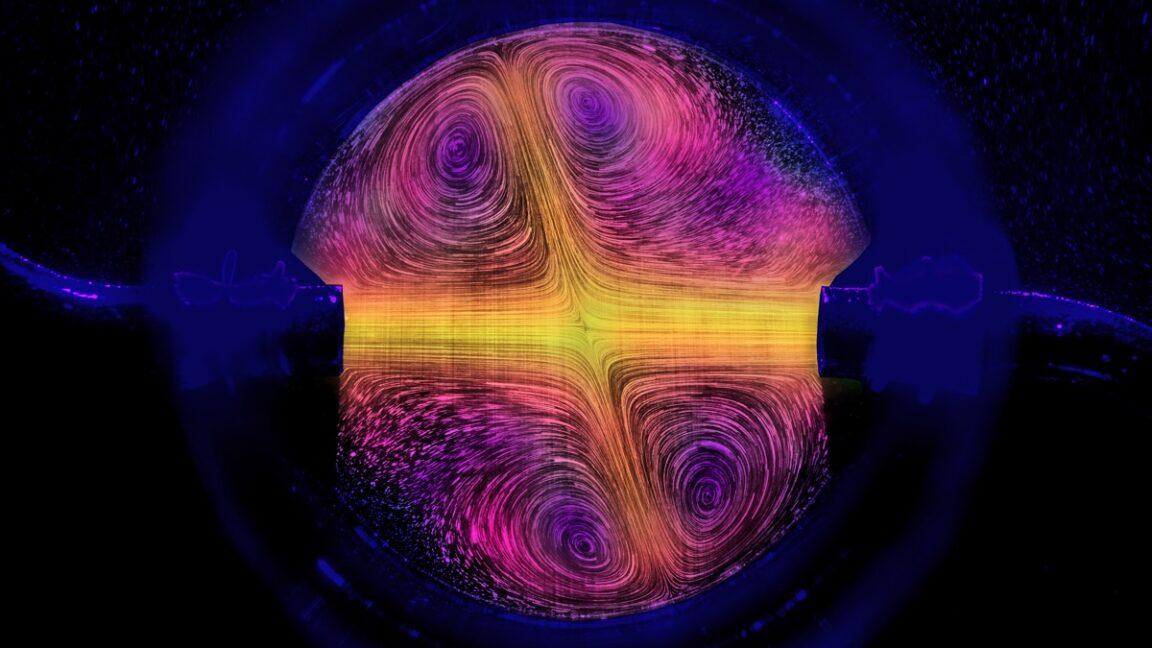
Researchers at New York University explored various designs of silly sprinklers, which are whimsical devices that create entertaining patterns of water. Their experiments aimed to solve a long-standing question in fluid dynamics associated with Richard Feynman's famous reverse sprinkler problem.
Why It Matters
Understanding the physics behind silly sprinklers not only enhances our appreciation of these fun garden gadgets but also sheds light on complex fluid dynamics principles. The research could have broader implications for how we design and utilize fluid systems in various technologies, from irrigation to industrial applications.
Context
The reverse sprinkler problem, popularized by physicist Richard Feynman, dates back to Ernst Mach's 1883 work. Although Mach's thought experiment remained largely overlooked for decades, it gained traction in the 1940s when Princeton physicists began debating its implications. Feynman's involvement in these discussions led him to conduct experiments to clarify the physics behind the phenomenon.
What It Means
The findings from the NYU experiments reveal that the mechanics of a reverse sprinkler are not straightforward. While it might seem intuitive to think it operates like a regular sprinkler turned backward, the reality is more nuanced. This complexity highlights the importance of thorough investigation in understanding fluid behaviors, both in playful applications like silly sprinklers and in serious scientific inquiry.