The Gist
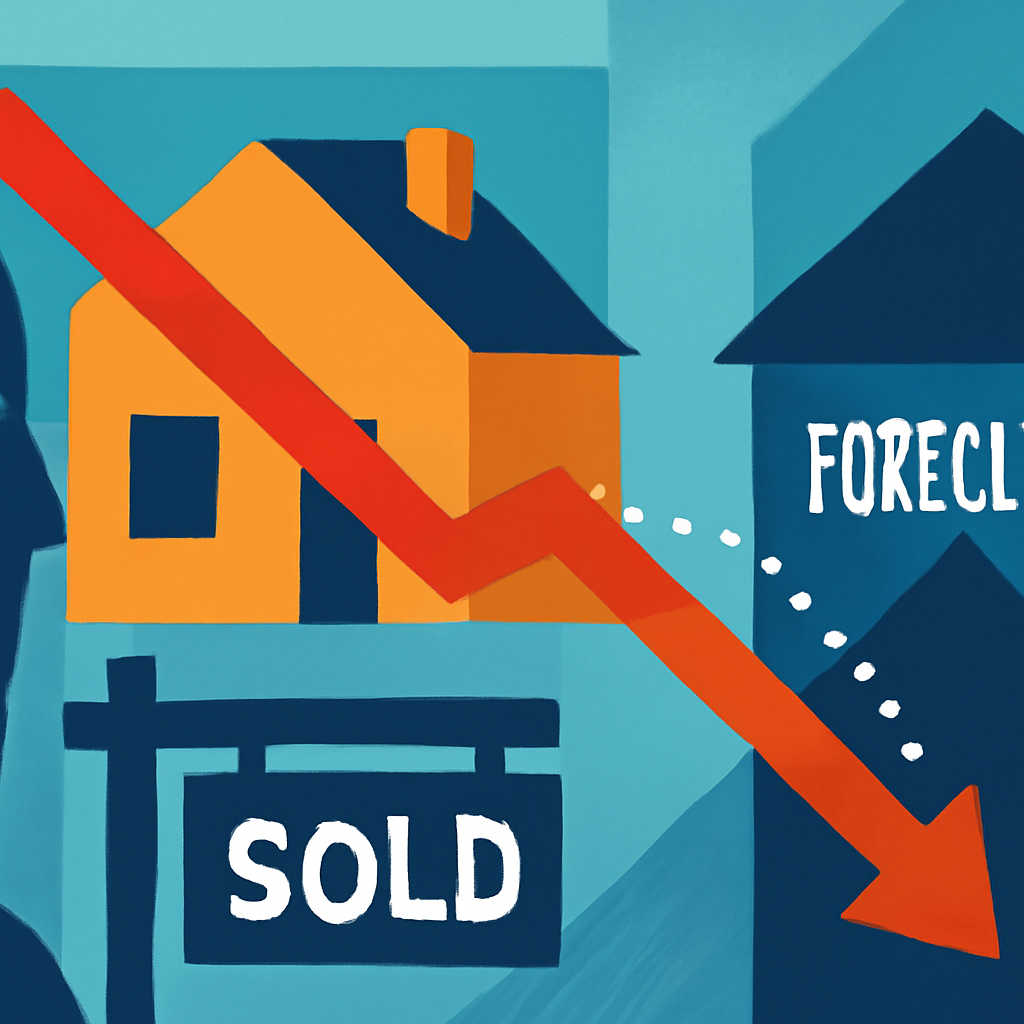
A growing number of homeowners are turning to short sales as an alternative to foreclosure, with nearly 30,000 short sales reported last year alone. This voluntary process allows homeowners to sell their properties for less than the mortgage owed, offering a lifeline for those in financial distress.
How It Worked
Homeowners coordinate with their lenders to sell their homes in a short sale, a process that has gained traction, rising by 30% since 2023. The appeal lies in avoiding the severe long-term consequences of foreclosure. Short sales now yield about 9% more of a home’s estimated value compared to foreclosures, reversing a decade-long trend. However, the process is complex and can take significantly longer, often requiring about 60 days more to close.
Results
The U.S. recorded nearly 30,000 short sales in the previous year, accounting for 28% of all distressed home sales. Between 2025 and 2026, there was a notable 16% year-over-year increase in short sales. Major metro areas such as Miami, New York, and Tampa lead in short sale listings, while places like Salt Lake City and Austin show high completion rates. Despite short sales attracting 20% less interest than regular listings, they offer a path for underwater homeowners to escape debt and qualify for new mortgages in about four years instead of seven.
Why It Matters for You
If you’re a homeowner facing financial difficulties, consider exploring the option of a short sale. Engaging a Realtor who specializes in these transactions can provide valuable guidance and help you navigate the complexities. Understanding your options can mitigate long-lasting credit impacts and provide a clearer path forward in challenging times.