The Gist
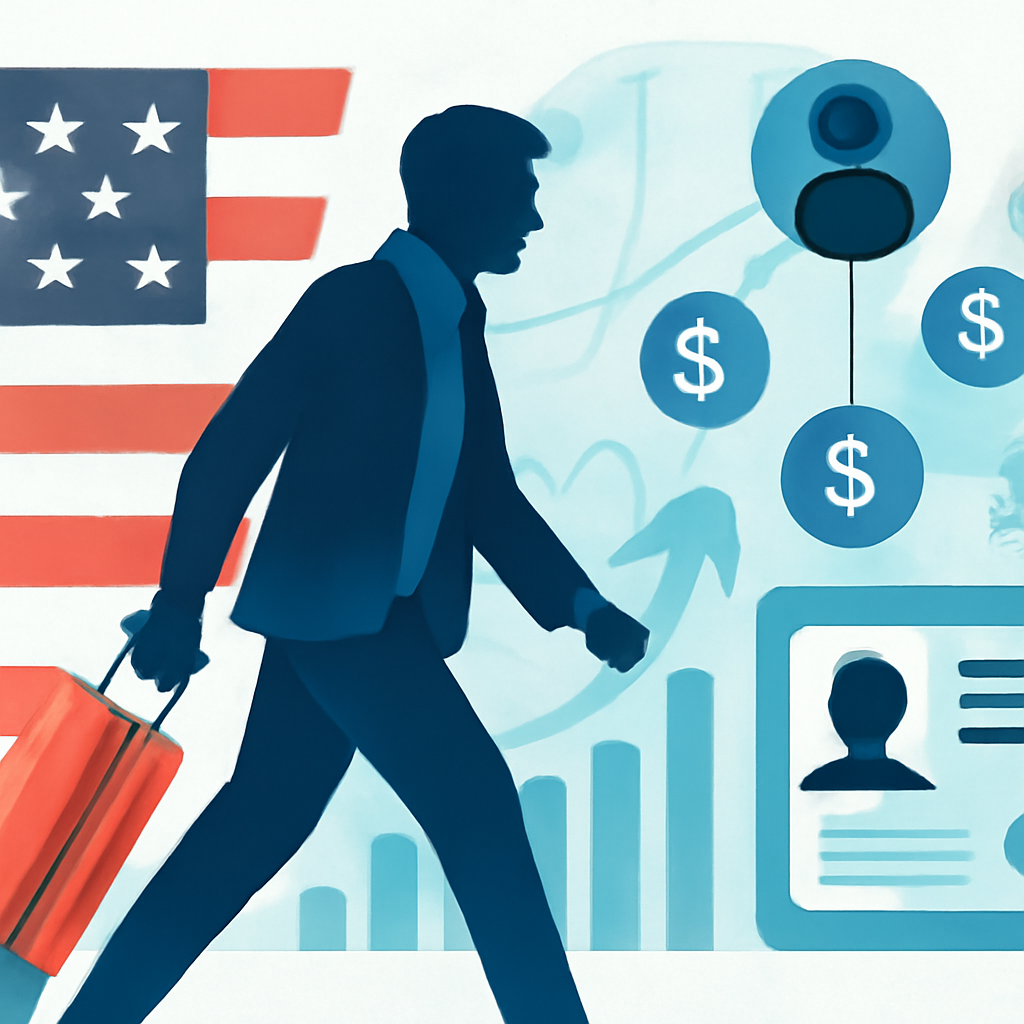
The Trump administration has reinstated the 'public charge' rule, which may disqualify immigrants from receiving green cards if they have utilized public benefits like food stamps, Medicaid, and housing vouchers. This policy, effective September 18, aims to ensure that immigrants can support themselves without relying on taxpayer resources.
How It Worked
The rule requires green card applicants to demonstrate financial self-sufficiency. Under this policy, the list of public benefits considered has expanded, meaning even minimal use of these benefits could jeopardize immigration status. The administration argues that this move is to protect public resources and enforce self-reliance among immigrants. It builds upon a similar policy implemented in 2020, which faced reversal under the Biden administration but is now back in force.
Results
While specific metrics post-implementation remain to be seen, previous iterations of the rule led to significant declines in public benefits utilization among immigrant populations. For instance, studies showed that 1 in 7 lawful immigrants reported not applying for benefits they were eligible for due to fear of repercussions under the initial 'public charge' rule. This creates a potential public health crisis as families may forgo necessary healthcare and nutrition support.
Why It Matters for You
Understanding the implications of this rule is crucial for immigrants and advocates. If you're working with immigrant communities, being informed about these changes can help you provide accurate guidance. Encouraging eligible families to apply for benefits and educating them on their rights could mitigate the chilling effect this rule is likely to have. Consider also advocating for policy changes that promote inclusivity and access to needed resources for all residents, regardless of immigration status.