What Happened
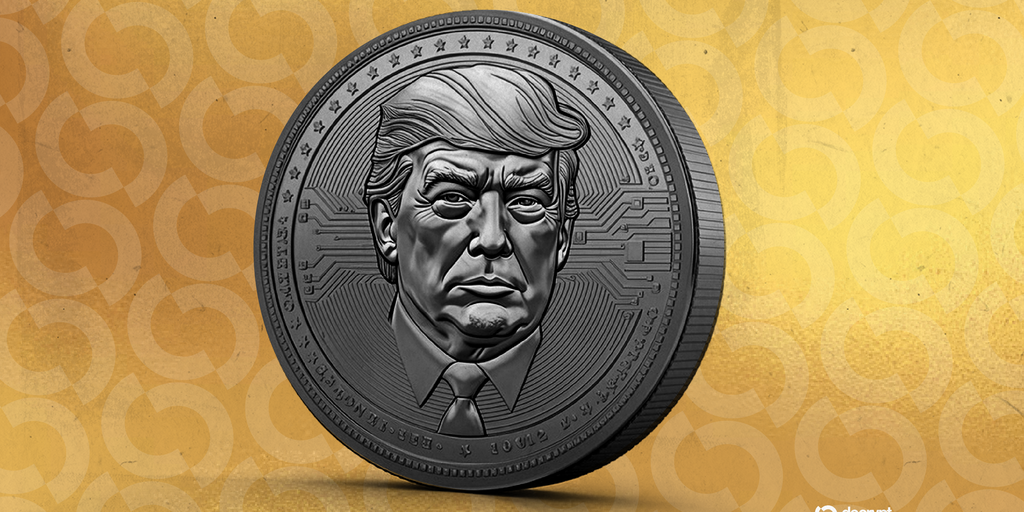
Senator Kirsten Gillibrand has announced her intention to propose a ban on meme coins created by elected officials, specifically targeting former President Donald Trump. This move comes in light of Trump's recent revelation of earning over $1 billion in crypto-related activities, sparking concerns about the potential for conflicts of interest and the integrity of the cryptocurrency market.
Why It Matters
The proposed ban could reshape the landscape of meme coins, which have gained popularity for their speculative nature and community-driven momentum. By restricting elected officials from launching these coins, the legislation aims to protect investors from potential manipulation and safeguard the credibility of the cryptocurrency market. This could lead to a more regulated environment, potentially impacting the innovation and growth of the sector.
Context
Meme coins, such as Dogecoin and Shiba Inu, have captured the imagination of retail investors, often driven by social media hype rather than fundamental value. The rise of these coins has raised questions about the responsibilities of public figures in the crypto space. As more politicians engage with cryptocurrencies, concerns about their influence on market dynamics become increasingly relevant, especially when significant earnings are involved.
What It Means
If Gillibrand's proposal gains traction, it could set a precedent for how cryptocurrencies are regulated, particularly in relation to the conduct of public officials. This legislation may encourage a shift towards greater accountability in the crypto industry, ultimately aiming to protect investors and enhance the legitimacy of digital assets. The outcome of this initiative could redefine the relationship between politics and the burgeoning world of cryptocurrency.