The Gist
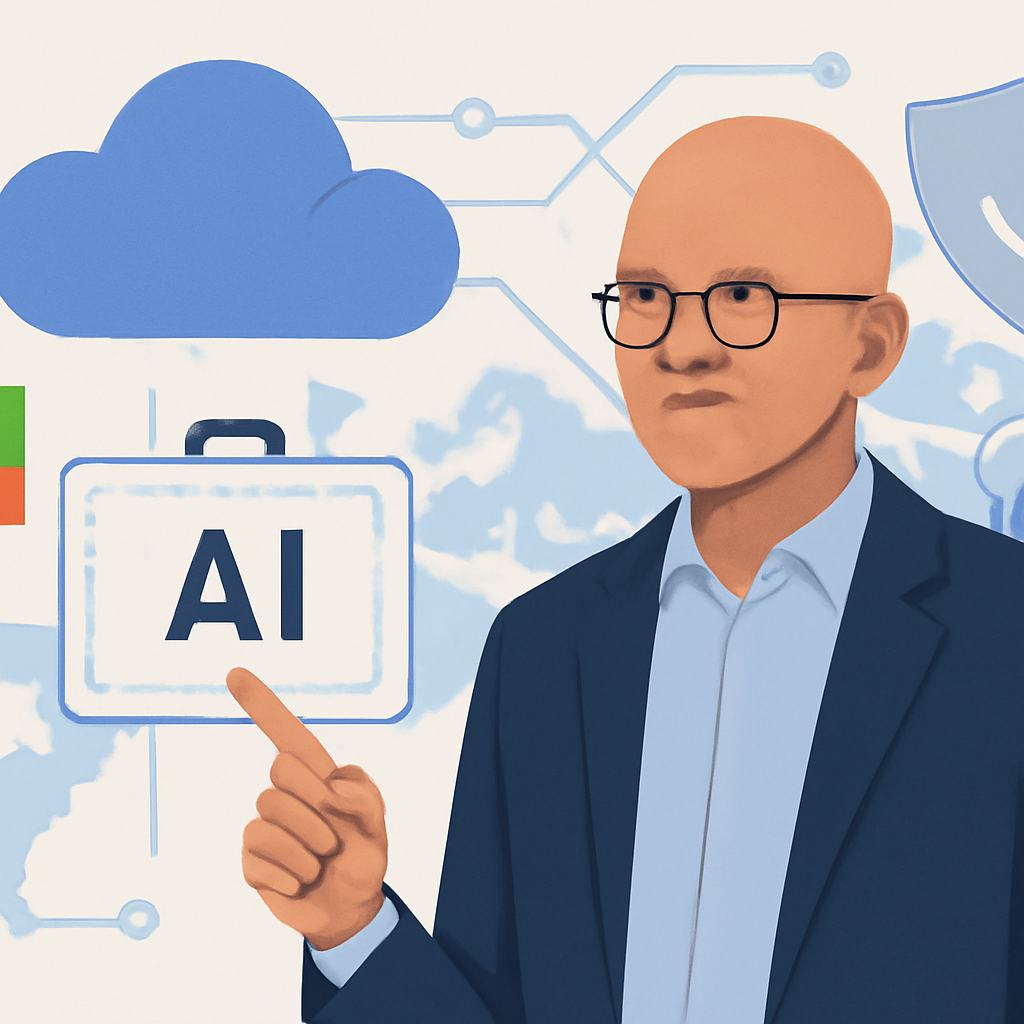
Satya Nadella, CEO of Microsoft, advocates for 'sovereign AI'—a framework allowing enterprises to maintain control over their data and AI models. His argument emphasizes the need for a balanced relationship between businesses and AI providers, challenging the current dynamic that often requires companies to share proprietary knowledge.
How It Worked
Nadella's approach centers on the idea that enterprises shouldn't have to relinquish their unique knowledge to benefit from AI. He suggests that companies should own the AI infrastructure and the data that feeds these models. This means developing systems where organizations can train their models without the risk of their proprietary information being absorbed by external providers, like OpenAI. Nadella highlights the importance of creating trust boundaries to protect institutional knowledge, which includes user prompts and AI-generated insights.
Results
While it's difficult to quantify the immediate impact of Nadella's vision, the implications are significant. If implemented widely, businesses could see enhanced performance from AI without jeopardizing their competitive advantages. This could lead to more innovative applications of AI tailored specifically to company needs, potentially revolutionizing how enterprises leverage technology.
Why It Matters for You
For business leaders and innovators, adopting a sovereign AI mindset could be crucial. Start by evaluating your current AI partnerships and the data you share. Consider investing in AI capabilities that allow you to maintain control over your proprietary knowledge. This shift could not only enhance your operational efficiency but also safeguard your competitive edge in an increasingly AI-driven market.